Online Reporter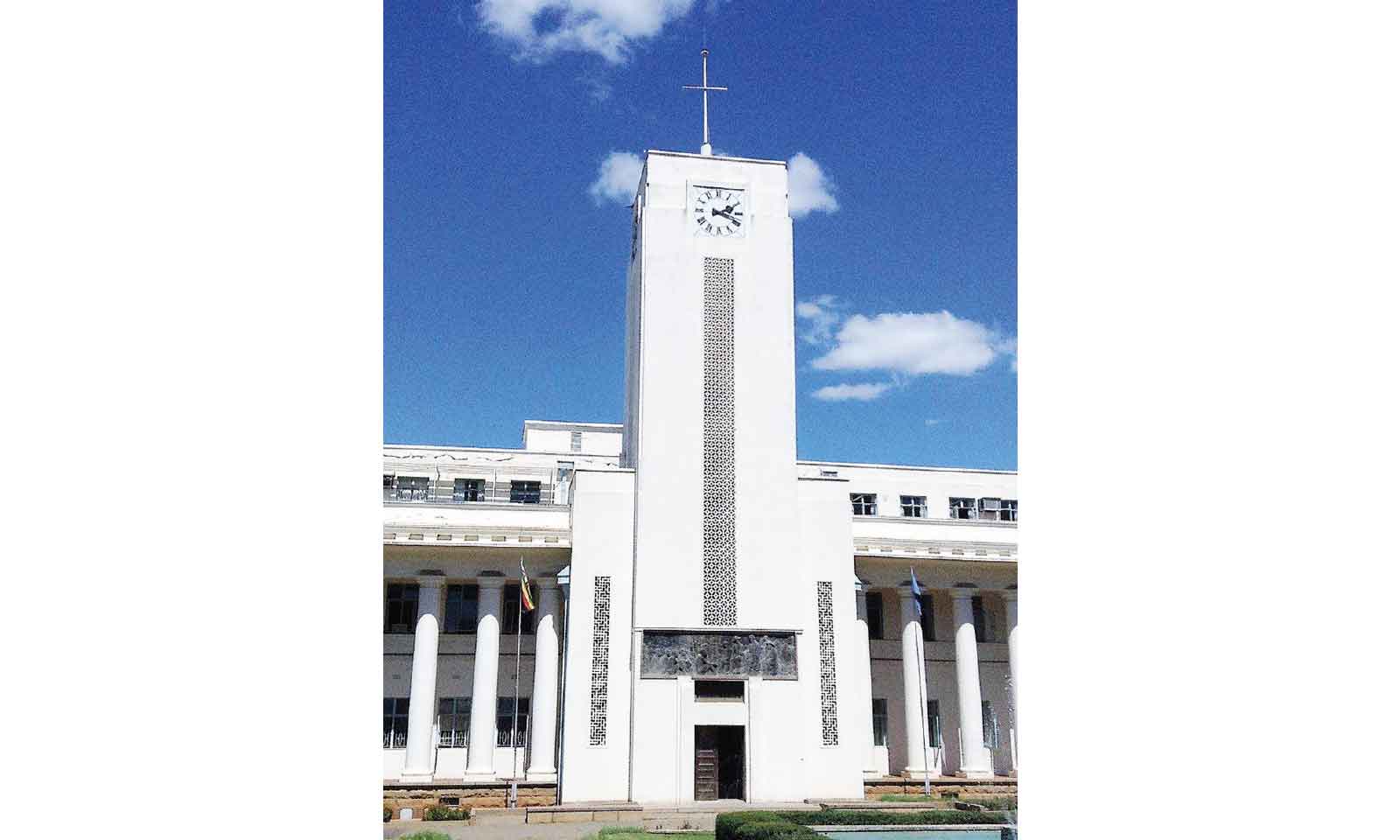
Trust Khosa
Zimpapers Arts and Entertainment Hub
Zimbabwe’s creative community is on the brink of exciting opportunities, thanks to a timely partnership between Autoworld Zimbabwe and the Shepherds Foundation Trust’s initiative to undertake an ambitious nationwide cultural heritage documentation project.
After years of distortion in the representation of our cultural heritage, this collaboration aims to rectify long-standing imbalances that have persisted over time.
In a statement, this initiative precedes the official launch of the “Silent Walls” project, scheduled for February 2026 at Autoworld’s Chisipite showroom in Harare.
It has emerged that after the programme, a nationwide series of travelling photographic exhibitions will start across major cities, including Harare, Bulawayo, Mutare, Gweru, Masvingo and Victoria Falls.
This is a significant boost for the creative sector, as the visual arts genre will continue to cement its dominance, as was the case last year. “These showcases will offer early previews of the documentation work while hosting public talks, school outreach programmes, panel discussions and community engagement platforms aimed at collecting oral histories from citizens.
“The travelling exhibitions will culminate in the release of a comprehensive nationwide catalogue, which is expected to become one of the most extensive records of Zimbabwe’s historic built heritage. The publication, slated for late 2026, will be launched in partnership with the Harare International Literature Festival, elevating the project’s cultural and academic significance,” reads part of the statement.
The statement further noted that Autoworld’s Chisipite showroom began its life as a branch of the Fabric Library before being re-purposed in 2006. “This evolution from fabric store to automotive showroom embodies the very type of shifting architectural memory that “Silent Walls” seeks to document and preserve.
“Although full programme details will be announced in mid-January, the coalition behind “Silent Walls” is already drawing attention for its blend of creative civic leadership, private sector participation, and institutional authority. The partnership aligns with national priorities, particularly in strengthening cultural education, heritage conservation, and domestic tourism.”
According to Runyararo Nyakudya, director of the Shepherds Foundation, their collaboration reflects a shared national duty to protect Zimbabwe’s architectural heritage at a time when many historic structures face neglect and erasure. “Silent Walls is a national responsibility,” he stated.
“This collaboration demonstrates that heritage preservation is no longer the work of one institution. It requires artists, corporations, researchers and policy custodians working together. By uniting our strengths, we are ensuring the country’s architectural memory is not erased, but reintroduced to its people.”
Autoworld Zimbabwe’s role has been praised as a model for growing private sector involvement in cultural preservation.
The company has also been commended for offering its showroom as an unconventional exhibition venue and is set to play a pivotal role in bridging the gap between heritage and everyday public life.
Cultural and heritage activists have also endorsed the involvement of historian and writer Jonathan Waters and National Museums and Monuments of Zimbabwe curator Nyaruwanga in this initiative as a masterstroke.
Their partnership is expected to provide the initiative with strong institutional and curatorial oversight, ensuring accurate historical interpretation and a social historical perspective on Zimbabwe’s built environment.
Judging by their experience, intellect, and backgrounds, this initiative is a game-changer in documenting Zimbabwe’s rich cultural heritage, which should not be distorted for future generations.
This notion was also emphasised by Shepherds Foundation curator Rodney Badza, who firmly believes that the partnership signals a significant shift in how Zimbabwe approaches heritage protection.
“The February launch is just the beginning,” he stated. “What stands out now is the unity behind this project, reflecting the broader national commitment to preserving Zimbabwe’s identity through photography and storytelling.”
Photography, which can evoke feelings of joy, sadness, nostalgia, or anger in an instant — bypassing language barriers —is one of the most powerful mediums for capturing cultural heritage.
Its ability to capture moments allows viewers to connect with experiences or emotions instantly. Additionally, photography showcases different cultures, lifestyles, and traditions, broadening understanding and empathy.
This initiative is being fostered by the collaboration between Shepherds Foundation and Autoworld Zimbabwe to preserve history and capture significant events and societal changes.
With this initiative, the creative community is poised for positive progress, as large corporations come together to preserve culture. This not only benefits the creative community, but also the country at large.