Online Reporter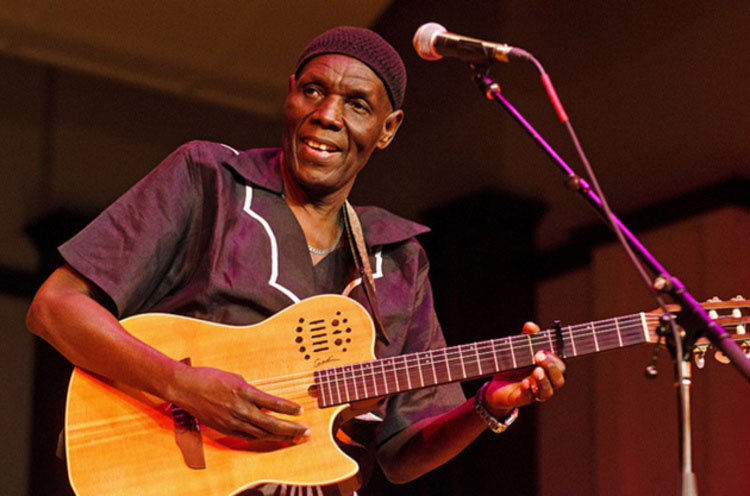
Rodgers Irimayi
Cultural Perspectives
THE National Arts Merit Awards (NAMA) have long served as Zimbabwe’s premier platform for recognising artistic excellence across various disciplines, including music, dance, theater, visual arts, and literature.
These awards play an essential role in fostering local talent, enhancing national pride, and supporting the development of Zimbabwe’s vibrant creative sector. However, critics argue that Zimbabwe lacks an adequate number of such platforms, as a single event frequently fails to acknowledge the most influential and enduring contributors to the country’s cultural landscape.
Numerous pioneers who have made significant contributions to Zimbabwean culture remain unrecognised. The significance of awards in Zimbabwean culture
Awards such as NAMA were established with the commendable objective of recognizing outstanding artistes and promoting cultural development.
Over the years, esteemed individuals, including Oliver Mtukudzi, Thomas Mapfumo, Stella Chiweshe, Jah Prayzah, Winky Dee and prominent visual artists such as Portia Zvavahera, have been duly acknowledged. These accolades have facilitated career advancement, attracted media attention, and contributed to the preservation of Zimbabwe’s artistic heritage.
As the awards gained prestige, concerns about inclusivity and comprehensiveness emerged. The cultural landscape is vast, encompassing numerous artists, writers, musicians, and performers whose work has profoundly shaped the arts yet has not been formally acknowledged. This neglect, not only undermines their contributions, but also jeopardises the accuracy of Zimbabwe’s artistic historiography. There is a real need to acknowledge the literary luminaries who live in the shadows.
The forgotten legends
Many of Zimbabwe’s legendary creators continue to inspire new generations, even though they are not acknowledged. While some veteran musicians received recognition, other influential artistes like Jonah Moyo and his Deverangwena Jazz Band and Leonard Zhakata have often been overlooked or underappreciated in official awards, particularly during their peak years.
In the literary world, giants such as Dambudzo Marechera and Charles Mungoshi have long since passed, but their legacy continues to shape Zimbabwean literature. Legends such as Chirikure Chirikure, Tsitsi Dangarembga, and Petina Gappah have achieved international acclaim, yet some local artists and writers remain underrepresented in national awards.
The visual arts community includes many unsung heroes, painters, sculptors, and performance artists, whose work has played a vital role in shaping Zimbabwe’s artistic identity but who have yet to be recognized at comparable platforms.
Oswel Samaringa who has been in visual arts since 1979 is not known but has made great contributions in his field.
Reasons behind the oversight
Several factors contribute to these omissions. Funding and political biases can influence award selections, sometimes favoring more prominent or commercially successful artists. Institutional challenges, limited resources, and the vastness of Zimbabwe’s creative sector make it difficult for awards committees to recognize everyone deserving.
Additionally, many artists operate outside mainstream channels or are rooted in community-based or traditional art forms that may not align with the criteria set by award organizers. Sometimes, historical and cultural biases, whether conscious or unconscious, also play a role in shaping recognition.
Why recognition matters
Recognition through esteemed awards transcends mere trophies; it serves as a recognition of an artist’s contribution to the national culture and identity. Such recognition can facilitate access to funding, international exposure, and avenues for mentorship and collaboration. For the artists, it affirms the value of their work and inspires ongoing creativity.
Neglecting the recognition of legends risks fostering a cultural divide, thereby erasing the foundational influences that have shaped contemporary Zimbabwean art. Acknowledging all contributors guarantees a more comprehensive and inclusive account of Zimbabwe’s artistic development.
Fostering a culture of excellence
The introduction of multiple awards fosters a constructive, competitive environment and promotes a culture of excellence within the creative industry. It serves as an impetus for artists to enhance their skills, pursue innovation, and strive for higher standards.
Examples of potential new platforms that can be organised include:
Regional or Provincial Awards: Celebrating local talents within specific regions.
Traditional Arts and Crafts Awards: Recognising master artisans, storytellers, and performers of indigenous arts.
Youth and Student Awards: Supporting emerging artists and nurturing future leaders in the arts.
Digital and social Media Awards: Honouring artists leveraging online platforms to reach wider audiences.
Genre-Specific Awards: Focused awards for genres like jazz, gospel, hip-hop, visual arts, or film.
Although NAMA is vital to Zimbabwe’s cultural scene, creating additional award platforms is important to nurture a lively, varied, and inclusive arts industry. These platforms honor excellence, encourage innovation, safeguard cultural heritage, and support economic growth. Broadening opportunities for recognition enables Zimbabwe to empower its artists, showcase its cultural diversity, and establish itself as a vibrant center for African creativity and artistic expression.
Moving forward: Celebrating all Zimbabwean legends
To genuinely celebrate Zimbabwe’s rich creative diversity, award organisations should expand their reach, include community perspectives, and pursue talents that are often ignored. Introducing categories that honor both traditional and emerging artists, along with lifetime achievement awards for legendary figures, can help close the recognition gap.
Developing partnerships with cultural institutions, community groups, and international organisations can promote a deeper understanding of Zimbabwe’s artistic heritage.
Public awareness campaigns can also revive interest in forgotten legends, making sure their names and stories are preserved for future generations.
Although progress has been made in showcasing Zimbabwe’s arts and culture, it is crucial to also acknowledge the silent legendary figures who have influenced the country’s cultural history.
Honouring these overlooked individuals is vital, not only to pay tribute to their contributions, but also to motivate future artists to continue Zimbabwe’s vibrant cultural tradition.
Ultimately, a nation’s genuine artistic strength depends on remembering and honoring all those who have laid its creative groundwork, individuals whose names might be forgotten but whose legacies endure.
Rodgers Irimayi writes in his personal capacity and can be contacted on +263778246098 or [email protected]. He can also be followed on his YouTube channel, Culture Views with Judah Kalispokaz