Online Reporter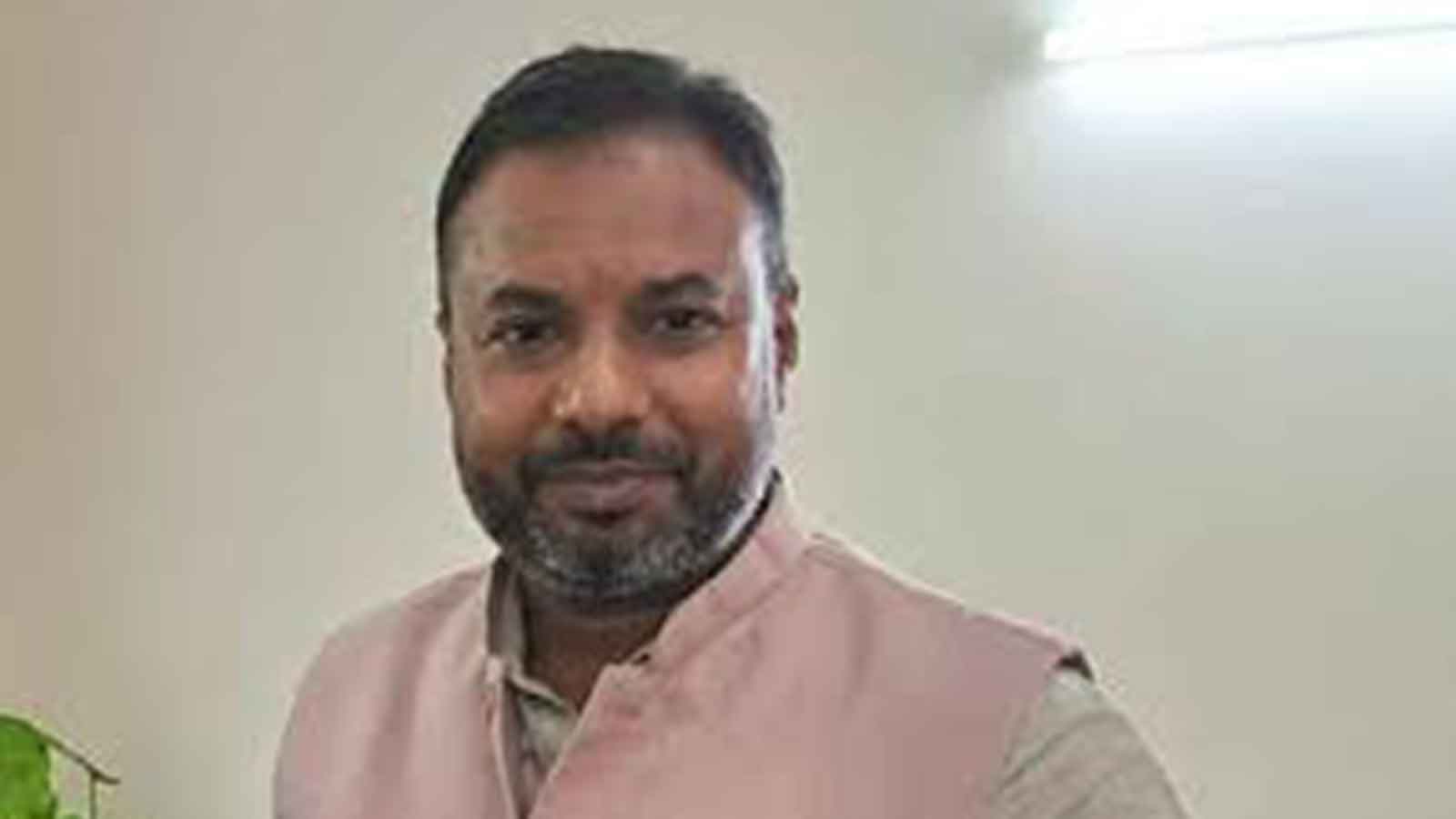
Ambassador Bramha Kumar
As we celebrate the 11th World Ayurveda Day today, September 23, it is an opportune time to reflect on the science and message behind Ayurveda.
For thousands of years, Ayurveda has been part of India’s scientific traditional approach to health and well-being. Originating in India, the word “Ayurveda” comes from the Sanskrit words “Ayur”, meaning life, and “Veda”, meaning knowledge, and is often described as the “Science of Life”.
Ayurveda, as a science, was first codified in Atharva Veda (considered to be compiled in textual form during c. 1500 BCE – 1000 BCE). It is considered as the last and fourth Vedic scripture alongside Rigveda, Samveda and Yajurveda which were transmitted to posterity through oral tradition.
In ancient Sanskrit tradition, Atharva Veda, known as the “Veda of everyday life,” focuses on practical aspects of health, including disease treatment, longevity, and well-being.
It contains extensive references to diseases and their remedies, providing early insights into pathology.
Some of the medical terms mentioned in the text include Takman (fevers), Ksetriya (hereditary diseases), Hariman (jaundice), Jalodara (dropsy), Krimi (parasites), Kāsa (cough), Kilāsa (skin disorders), and various psychological conditions.
The Atharva Veda contains deep insights into botany as well, categorising healing plants based on their physical form, colours and native habitats.
Key medicinal herbs heavily praised in the text include: Pippali (Piper longum)- a potent rejuvenator and prescribed explicitly for asthma, fever, and digestive stagnation; Apamarga (Achyranthes aspera)- for cleansing the respiratory tract and curing metabolic issues; Kushtha (Saussurea lappa): a powerful antiseptic and the prime remedy for chronic skin afflictions; Arjuna (Terminalia arjuna) – for therapeutic properties regarding heart health and blood circulation.
With further development and evolution of scientific knowledge, Ayurveda produced many classical scriptures into this science.
One of the oldest literatures is recognised as Sushruta Samhita (c. 6th Century BCE), the earliest comprehensive surgical treatise of world medicine.
Authored by the sage Sushruta, it systemizes anatomy, surgical instruments, and complex procedures like rhinoplasty. Another classic text is Charaka Samhita (c. 100 BCE – 100 CE) which is known as the gold standard textual compilation on internal medicine (Kāyachikitsā). It systemised the fundamental Tridosha theory (Vata, Pitta, Kapha). Charaka Samhita is still popular and used as a foundational reference text in Indian alternative healing sciences.
Ayurveda was significantly enriched from the 1st century CE onward. Texts such as the Bhaisajyavastu, Mūlasarvāstivāda Vinaya, and the Navanitaka (Bower Manuscript, c. 4th century CE) contributed to the development of ancient Indian pharmacology and practical medicine.
The Rasaratnākara, attributed to Nāgārjuna (c. 2nd–4th century CE), advanced Ayurvedic alchemy and the medicinal use of purified minerals and metals.
The Astānga Hrdaya and Astānga Sangraha (c. 6th century CE), attributed to Vāgbhata, synthesised the medical knowledge of Charaka and Sushruta into comprehensive clinical guides. Later works such as Mādhava Nidāna (c. 8th century CE), Hatha Yoga Pradīpikā (c. 15th century CE), and Bhāva Prakāśa (c. 16th century CE) further advanced the fields of diagnosis, therapeutic practice, yoga, and medicinal botany.
Since gaining independence in 1947, India has taken significant institutional, financial, and strategic steps to transform Ayurveda from a traditional practice into a scientifically validated and globally recognised healthcare system.
The establishment of the Ministry of AYUSH in 2014 gave these efforts a major boost.
With a focus on holistic healing, Ayurveda is being gradually integrated into India’s national healthcare system, with AYUSH facilities now co-located in thousands of Primary Health Centres (PHCs), Community Health Centres (CHCs), and district hospitals, enabling patients to access healthcare services through a single-window system.
Since 2014, over 12 500 health and wellness centres have been established across India under the Ayushman Arogya Mandirs initiative, providing primary Ayurvedic care with a strong focus on preventive health and lifestyle management. Government funding has also supported premier institutions such as the All India Institute of Ayurveda (AIIA).
India now has approximately 430 000–450 000 registered Ayurvedic doctors, over 560 Ayurvedic medical colleges, and more than 31 000 BAMS graduates entering the healthcare system annually. The integration of BAMS practitioners alongside MBBS doctors is strengthening India’s overall healthcare capacity.
Alongside expanding Ayurveda clinics and public awareness, the Indian government supports evidence-based research and validation of Ayurvedic practices. The Golden Triangle Partnership (GTP), involving the Ministry of AYUSH, ICMR, and CSIR, promotes scientific validation of Ayurvedic products using modern research methods.
The AOGUSY and AYURGYAN schemes support laboratory modernisation, standardisation, capacity building, education, and research.
The Traditional Knowledge Digital Library (TKDL) digitises ancient Ayurvedic knowledge and translates classical formulations into five international languages, helping protect India’s traditional knowledge from biopiracy and wrongful patenting.
The Ayurvedic products and medicine landscape is evolving into a powerhouse of the Indian economy, driven by deep consumer adoption, e-commerce, and expanding exports.
The Indian Ayurvedic products market is valued at approximately USD 11 billion which is projected to grow to over USD 37 billion by 2034.
On a global scale, the broader Ayurveda market is estimated at USD 24,3 billion. It is forecasted to reach USD 85,8 billion by 2033, growing at an impressive compound annual growth rate (CAGR) of 19,7 percent.
To manufacture Ayurvedic medicines legally in India, companies must obtain an AYUSH Manufacturing Licence under the Drugs and Cosmetics Act, 1940.
India has more than 7 000 licensed Ayurvedic manufacturing units, with the government encouraging WHO-GMP (Good Manufacturing Practices) certification and CoPP (Certificate of Pharmaceutical Product) compliance to strengthen quality standards and exports.
The organised Ayurvedic market includes established companies such as Dabur India Ltd., Baidyanath Group, Charak Pharma, and Kerala Ayurveda Ltd., alongside newer major players such as Patanjali Ayurved and The Himalaya Wellness Company, which have expanded into domestic and global markets.
At the heart of Ayurveda are three doshas — Vata, Pitta and Kapha — which, according to Ayurvedic philosophy, exist in different proportions in every person.
Understanding this individual constitution has traditionally been used to guide choices relating to diet, daily routines and lifestyle.
Vata is associated with movement and is traditionally supported through warmth, nourishing food, regular routines and adequate rest.
Pitta is associated with digestion and transformation, with cooling foods and relaxation traditionally recommended for balance.
Kapha represents stability and strength and is traditionally supported through regular physical activity and lighter foods.
One of Ayurveda’s key ideas is dinacharya, or daily routine.
In Ayurvedic tradition, regular sleep, mindful eating, exercise, self-care and adapting to seasonal changes are considered important foundations of well-being.
The emphasis on maintaining regular habits reflects Ayurveda’s broader philosophy that prevention and balance are important aspects of a healthy lifestyle.
Ayurveda and yoga are also closely connected, with both recognising a relationship between physical and mental well-being.
While yoga places greater emphasis on movement, breathing and meditation, Ayurveda focuses more strongly on diet, lifestyle and daily routines.
Together, they have become widely associated with holistic approaches to wellness in India and around the world.
To conclude, I will quote the English translation of an Atharva Veda hymn:
“May there be peace in the heavens. May there be peace on earth. May there be peace in the vast space between them.
“May there be peace in the running waters, and may all medicinal herbs and plants bring peace unto us.
“May the past patterns be at peace, and may all things done or left undone bring us peace. May the past be peaceful, may the future be peaceful, and may the entire universe bring ultimate peace and well-being to us.”
Bramha Kumar is Ambassador of Republic of India to the Republic of Zimbabwe.