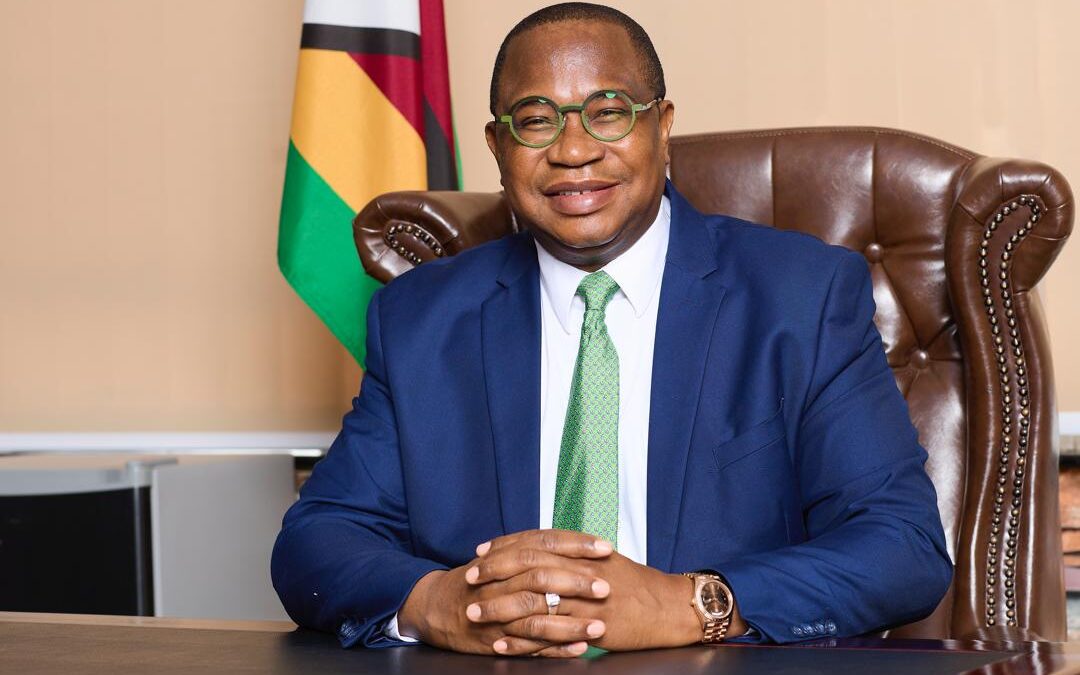
Finance Minister Professor Mthuli Ncube is scheduled to present Zimbabwe’s 2027 National Budget to Parliament this afternoon, Thursday, 19 November 2026.
The statement is themed: “Accelerating Economic Transformation and Building Resilience to Climate and Global Shocks”.
Economic growth
Projected to slow to 3,5 percent (per IMF/recent estimates), down from earlier budget strategy paper projections of 5 percent, largely weighed down by the anticipated impact of an El Niño-induced drought and softening international commodity prices.
Inflation and currency
Continued coordination between the Treasury and the Reserve Bank of Zimbabwe to maintain single-digit or low inflation and exchange-rate stability.
Inflation is expected to remain under control, around 10,1 percent through 2027, aided by tight monetary policies and exchange rate stability.
Revenue and Expenditure:
The International Monetary Fund (IMF) projects Government revenue at US$12,5 billion and an expenditure envelope of US$12,4 billion.
Alternative Treasury/budget figures outline projected revenues of around US$12,8 billion against expenditures of US$13,3 billion, pointing to a financing gap of roughly US$500 million.
Budget Deficit:
Targeted to be kept low at around 0,5 percent of gross domestic product.
Capital and current spending:
Treasury targets a shift toward capital and infrastructure investment, with capital expenditure expected to scale up to 3,8 percent of gross domestic product (up from 2,3 percent in 2026).
Climate resilience and drought preparedness:
Heavy emphasis on irrigation infrastructure construction, climate-smart agriculture and funding for grain reserves to buffer against El Niño impacts.
Productive sectors and value addition:
Mineral beneficiation, mining value addition, energy expansion (electricity/power), transport, housing and digital/ICT transformation.
Social spending and public relief:
Addressing public pressure for enhanced social safety nets, job creation, better civil service salaries and lowering the general cost of living.
Tax and revenue reforms:
Building on prior adjustments to mining royalties, e-commerce, VAT administration and corporate taxation through tighter compliance enforcement.
Adjustments to corporate taxation, import duties and digital commerce compliance enforcement following the rollout of the Tax and Revenue Management System (TaRMS).
Intermediated Money Transfer Tax (IMTT) review and calls to align ZiG and US dollar Pay-As-You-Earn (PAYE) tax tables.
Pressure to allow tax settlements strictly in the currency of trade to ease business liquidity mismatches.
Limited scope for tax concessions
Zimbabwe’s 2027 National Budget faces a limited scope for tax concessions due to a tight fiscal framework constrained by a US$500 million expected shortfall, public debt, climate risks (such as an El Niño-induced drought) and slower projected economic growth of 3,5 to 5 percent.
The Treasury remains under pressure to improve social spending and manage delayed payments.
Business groups and manufacturers have lobbied for relief—including reducing or eliminating the Intermediated Money Transfer Tax (IMTT) and reviewing the sugar content tax.
However, the Treasury has been hesitant to introduce sweeping concessions because instruments like the IMTT and VAT remain core, real-time revenue collectors
Sectoral and public sector focus:
Increased investments in energy, transport, housing, mining value addition, and digital transformation.
Public sector wage bill reforms aimed at trimming down government consumption costs to free up fiscal space.