Online Reporter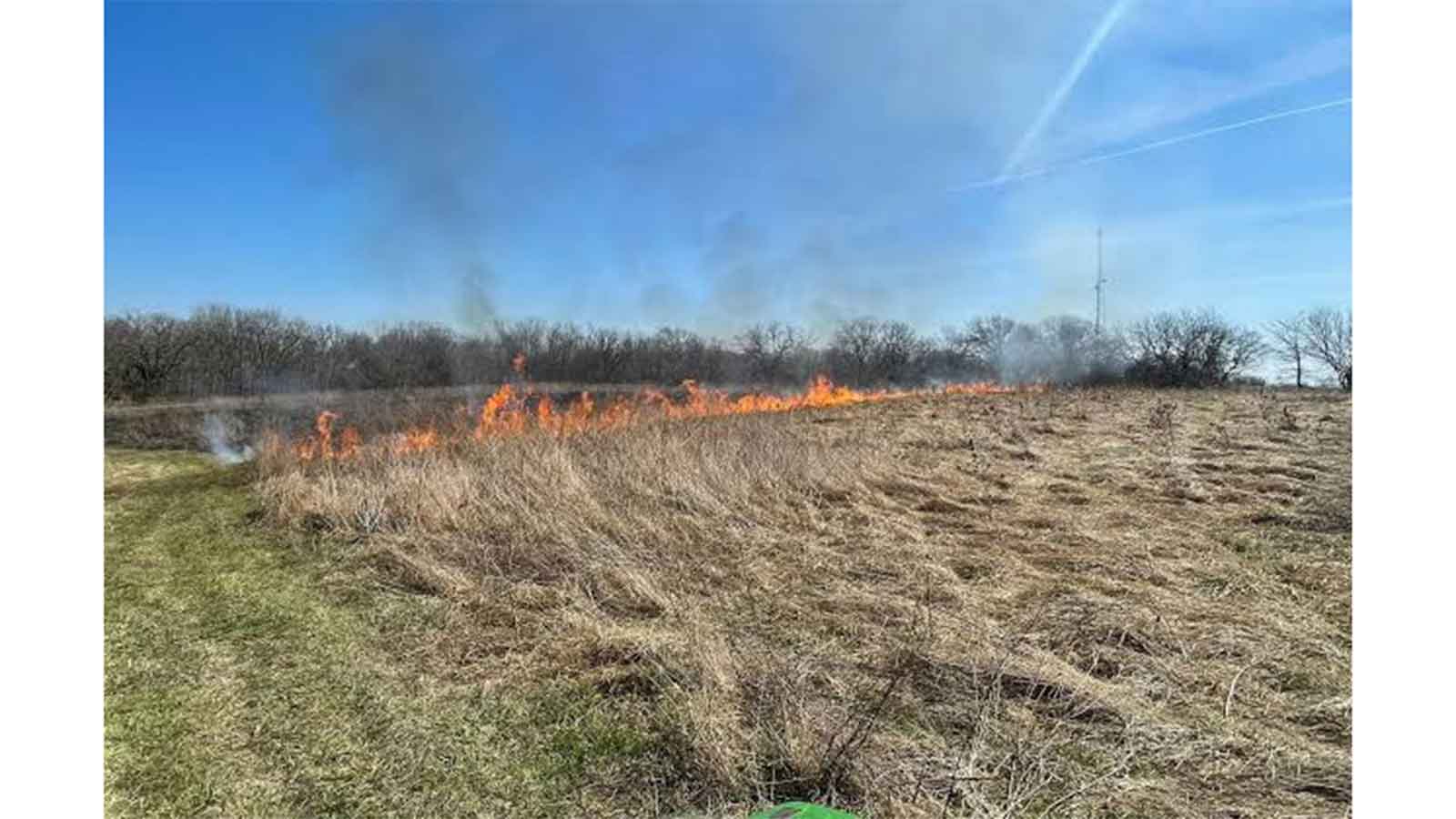
Obert Chifamba-Agri-Insight
SITTING between the dry winter and the first rains – between planning and doing, September is the hinge month on Zimbabwe’s farming calendar.
What a farmer does or fails to do this September largely determines whether the forthcoming 2026/2027 season pays back or costs her.
Essentially, the month of September means heat building up, soils drying further and farmers getting ready for the first planting window. This is for most agro-ecological regions. It is a month of preparation, not reaction.
It is important for the farmer to follow developments on the weather front reading signs and not guessing. September should naturally be hot and windy with daytime temperatures in places like Harare hitting between 30°C to 34°C. Evaporation is high and soil moisture is at its lowest.
Traditionally, the Meteorological Services Department (MSD) usually starts issuing the seasonal forecast in late August through to early September. That forecast is the farmer’s first decision tool.
This makes it prudent for farmers to attend ward/village forecast meetings and avoid relying on hearsay. They should get the official outlook on onset of rains, distribution and likelihood of mid-season dry spells. It is important to watch for false starts.
Early September thunderstorms often come with little moisture. Planting into dry soil is the fastest way to lose seed and money. The farmer must also plan for variability and budget for two to three dry spells even after a good rain forecast.
Those plying their trade on dryland must plant their maize with the rains, not before them, unless they have irrigation. Planting into hard, weedy or poorly prepared land and expecting a good crop is outright folly. September is usually the last clean window for land preparations.
Final ploughing and ripping should be completed by mid-September. Ripping is better than conventional ploughing on compacted soils because it conserves moisture and breaks the hard pan.
September is also the month during which the farmer must do a pre-plant weed burn or use glyphosate on fallow fields. It is a fact that weeds will compete for moisture in September and will be a nightmare if left until after rains.
Those farmers intending to do soil sampling should be doing it now so that they buy fertilisers guided by the results from the tests. While other preparations are going on, it is also necessary to repair water harvesting structures like contours, infiltration pits and basins. They need to trap water starting with the first downpours. September storms can be erosive in character, hence the need to stop run-off from dissecting the surface at will.
Procurement of inputs must be done early given that in recent times we have noticed a trend in which input prices spike in October and November. It is critical for farmers to use their discretion plus some advice from agronomists when they buy seed.
This starts with choosing certified seed and varieties that match farmers’ agro-ecological regions. Varieties that take between 120 and 140 days to mature must go for high rainfall areas, 105 to 120 days for medium, 90 to 110 days for low rainfall zones.
Farmers with irrigated tobacco seedbeds should already be transplanting. Field planting of irrigated tobacco starts September 1.
There is also this perennial problem of farmers being hoodwinked into buying fake chemicals by con artists, which leaves them leaking bruised egos after scoring huge losses later in the season. It is always important for farmers to buy chemicals – herbicides, pesticides, and fungicides from registered agro-dealers. One thing farmers should also not forget is to keep receipts for traceability, especially for export crops like coffee, soya, and tobacco.
Additionally, those farmers receiving inputs from Government should also secure some of their own to serve as Plan B, lest there are delays in the disbursement of those coming under the auspices of Government are delayed.
As a rule of thumb – do not buy inputs without checking expiry dates and the authenticity of labels on the producers. In recent times there has been a lot of fake seed in circulation.
The month of September is always the go-time for those farmers fortunate enough to have water and irrigation facilities. It is not a waiting month. It is a planting month.
Planting of irrigated tobacco officially begins on September 1, as per the Tobacco Industry and Marketing Board (TIMB) regulations.
Tobacco farmers must, however, remember to avoid putting the horses before the cart and start their season by hardening off the tobacco seedlings two weeks before transplanting. Transplanting must then be done in the afternoon.
Basal fertiliser must be applied in the planting hole and watered immediately.
The journey into the tobacco season would have started and weekly scouting for cutworms and aphids must become the new routine. Weekly. It is also important to avoid transplanting into hot, dry soil without pre-irrigation.
The farmer must not over-fertilise the crop — it leads to poor leaf quality.
Those doing horticultural crops such as tomatoes, onions, potatoes and common leafy vegetables will need to stagger planting dates to ensure continuous supply. The use of mulch to reduce evaporation is highly recommended and once the crop is established, the farmer must start monitoring it for red spider mite and Tuta absoluta — they thrive in September heat.
The hassle to establish healthy crops must not overshadow the farmer’s care for livestock. He must also prepare for the September heat and diseases that come with the month. Heat stress and tick-borne diseases peak in September and October.
It is important to clean water points daily bearing in mind that animals need double their usual water intake during the months of September through to December.
On the other front, the farmer must maintain a strict dipping or spraying schedule to protect livestock from tick attacks. September is peak for January disease, anaplasmosis, and heart water.
In terms of nutrition, feeds will be getting lesser and lesser accessible with crop residues almost finished. This is the point at which farmers can start supplementing with hay, silage, or concentrates.
There is also need to have a financing plan in place for every season. A season is won or lost in the office, not just the field. This means the farmer must come up with a budget and calculate costs for everything: land preparation, seed, fertiliser, labour, transport and many other important issues.
Where service charges are overwhelming for an individual, consider aggregation with neighbours and for crops like tobacco, soya and horticultural brands that are capital-intensive, it makes sense to go the contract way. The month of September is ideal for the signing of contracts.
September is the time to sign up, before rains start. This marks the point at which the farmer starts paying very close attention to his financial records. He must start a file for the season and keep input receipts, activities and costs.