admin
admin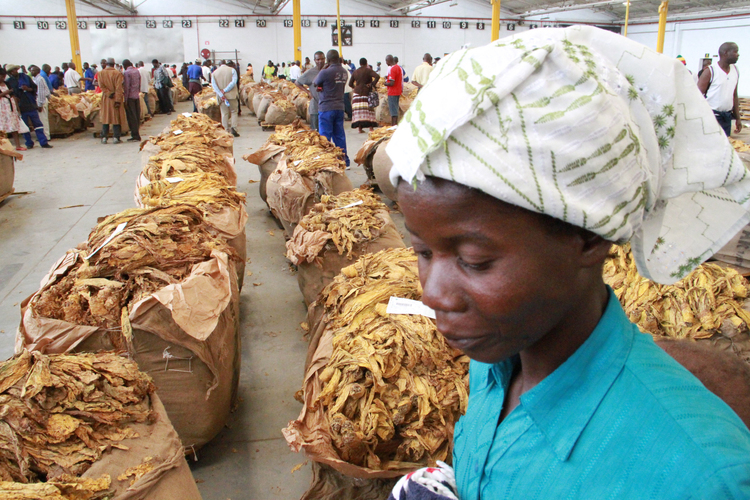
Enacy Mapakame
High tobacco production costs threaten to make production of the cash crop unviable and uncompetitive at a time other regional economies are ramping up output, says a new study by BDO Chartered Accountants.
Zimbabwe is the largest producer of flue-cured tobacco in Africa and the fifth largest globally after China, Brazil, India and the United States.
However, output fell 8,3 percent to 198 million kilogrammes this year from 216 million kg in 2015, partly due to insufficient rains, poor farming techniques and input shortages, experts say.
According to the study, prepared for the Tobacco and Industry Marketing Board, local farmers are paying more for key inputs such as labour, fertiliser and fuel relative to those in Zambia, Malawi, Tanzania and South Africa.
Fertiliser, which makes up 10 percent of local production costs, is nine percent cheaper in Zambia, and 12 percent and 49 percent cheaper in Malawi and South Africa respectively.
Zimbabwean farmers pay the highest price for fuel, says the study, at 41 percent above the region’s lowest.
Fuel contributes six percent of overall production costs.
“Parameters which affect the country’s comparative advantage as a tobacco producer should be addressed,” said the report. “Farmers in countries such as Malawi are given subsidies on the cost of two bags of fertiliser per season. Government may consider lowering some of the taxes and levies to make the fuel cost comparable to the region.”
Fertiliser costs are expected to fall by up to 20 percent following suspension of duty on imports and improved production by domestic manufacturers, the report said.
The recent closure of Sable Chemicals, Zimbabwe’s biggest ammonium nitrate fertiliser producer, was not taken into account.
Local labour costs are the highest among the world’s leading tobacco producers, with farmers spending roughly 30 percent more time on the land compared to those in the region.
Labour days per hectare for Zimbabwe is 504 days compared to Zambia’s 413 days, Malawi’s 375 and Tanzania’s 420. Brazil and US labour days are 149 days and 284, correspondingly.
Also, Zimbabwe’s labour rate at US$2,77 per day is higher than Tanzania’s US$2,06 and Malawi’s US$1,36; but lower than Zambia’s US$4,63.
BDO Chartered Accountants said Zimbabwe had the second-highest electricity tariffs in the region after Swaziland. Electricity constitutes up to six percent of the tobacco cost structure.
Power utility Zesa Holdings contends local tariffs are the lowest in the region, and Government has indicated it will hike tariffs early 2016.
Tobacco farmer Mr Edward Raradza said it would be ideal to borrow from Brazil’s system where an association comprising farmers, government and contractors engage to determine the most viable price of the golden leaf.
“We want to produce but farmers get nothing,” said Mr Raradza, who has reduced his hectarage of the crop by 60 percent due to high input costs.
Tobacco is one of the country’s top foreign currency earners and in 2014 sales of US$685 million contributed an estimated 10 percent to 12 percent of GDP.
Since the advent of the Fast-Track Land Reform Programme, tobacco production — once a preserve of large-scale white commercial farmers — is now being predominantly controlled by small to medium scale growers who account for more than 60 percent of output.



 Online Reporter