


 Online Reporter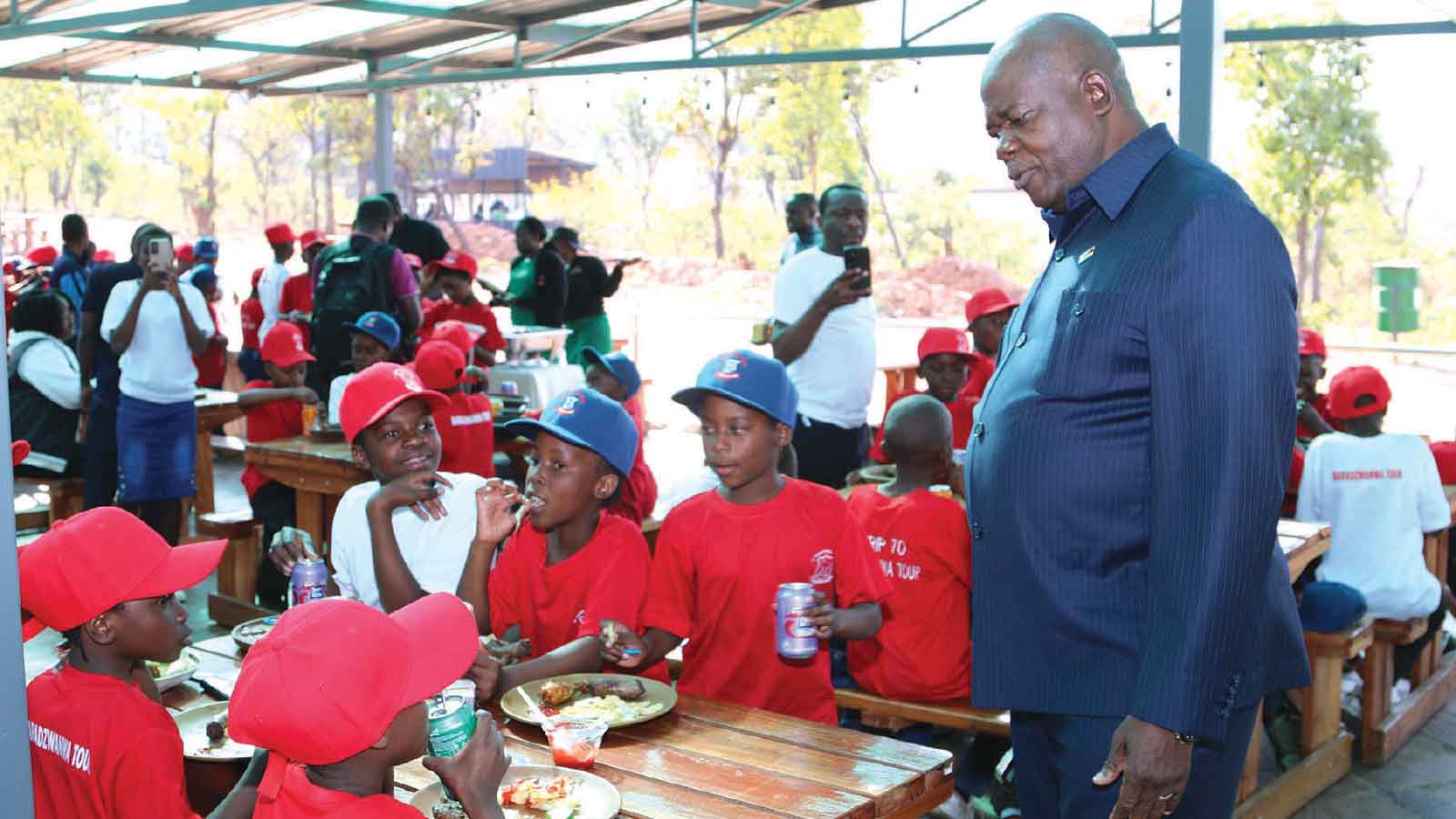
Oliver Kazunga
Senior Reporter
BARADZANWA Cultural Village in Mazowe, Mashonaland Central province, is increasingly living up to its billing as one of Zimbabwe’s leading centres for preserving and imparting the country’s cultural heritage, with schools embracing its immersive learning experiences to complement the Heritage-Based Curriculum and reconnect learners with their roots.
On Thursday, St Aidan’s Primary School from Chitungwiza became one of the latest schools to visit the cultural village, as 96 learners and teachers embarked on an educational tour that transformed Zimbabwe’s traditions, customs and values into living lessons.
The rhythmic beat of drums echoed across the serene countryside as dancers in colourful traditional attire burst into spirited performances.
The aroma of indigenous cuisine wafted through the air while the sounds of song and laughter welcomed the visitors into a world where culture is not preserved behind glass cabinets, but is practised, celebrated and passed on from one generation to the next.
Established to preserve Zimbabwe’s indigenous knowledge systems, Baradzanwa Cultural Village offers learners a rare opportunity to experience first-hand the philosophy of Ubuntu, the values of respect, communal responsibility, hard work, compassion and cultural identity that have shaped Zimbabwean communities for generations.
Every traditional hut, handcrafted artefact and fireside story serves as a living classroom where history comes alive.
St Aidan’s Primary School deputy head Mrs Moreblessing Jongwe said the school deliberately chose Baradzanwa Cultural Village because it offered practical learning experiences that could not be replicated in an urban classroom.
“Our school is in Chitungwiza, which is an urban setup, so we thought of taking our learners away from that environment to a cultural area where they can appreciate our cultural values, Shona customs, traditions and their own identity as Zimbabweans,” she said.
The educational journey began in the traditional kitchen, where the glowing choto became the centrepiece of learning.
The learners were introduced to clay pots, wooden utensils and indigenous cooking methods, while learning about the etiquette, discipline and responsibilities that traditionally surrounded food preparation. Mrs Jongwe said such practical demonstrations brought the Heritage-Based Curriculum to life.
“They have learned how Shona people traditionally welcomed visitors through dance and by offering traditional drinks.
“Most of our learners are familiar with soft drinks, but here they were welcomed with maheu, one of the healthiest traditional beverages, which also carries cultural significance,” she said.
The learners sampled refreshing baobab maheu alongside a variety of traditional foods while learning about indigenous fruits such as masau and traditional crops, including mbambaira and magogoya.
The experience introduced them to the nutritional value and sustainability of indigenous food systems that sustained communities for centuries.
Grade Four learner Kayla Marimo said tasting traditional foods and drinks made the visit memorable.
“Today we are learning about indigenous music, animals and games. We also drank maheu, a traditional drink, and we are going to eat indigenous foods.
“My favourite thing here is playing games with my friends, seeing the animals and learning new things,” she said.
Participating in traditional games and listening to folklore, she added, had deepened her appreciation of Zimbabwe’s cultural heritage.
Beyond the kitchen, the learners explored the rhythm of everyday life in traditional Zimbabwe.
They learned about gardening, cattle herding, hunting, gathering and domestic chores that nurtured responsibility, resilience and self-reliance.
They also discovered the traditional sitting positions for women, men and children, customs that reflected respect and order within families and communities.
Their exploration extended to traditional basket weaving, indigenous household implements and the use of the huyo and guyo for grinding zviyo (finger millet), providing valuable insights into the ingenuity and resourcefulness of Zimbabwe’s ancestors.
The highlight of the tour came when the Baradzanwa Arts Ensemble transformed the cultural village into a vibrant stage of living heritage.
To the pulsating rhythm of traditional drums, the ensemble performed mhande, mbende jerusarema and mbakumba, dances that have long celebrated community life, agricultural seasons and bumper harvests while preserving the stories and values of generations.
Chriswell Ruhukwa, another learner, said the performances gave them a deeper understanding of Zimbabwe’s cultural traditions.
“We also learnt about the way of life of the Shona people and the daily chores performed by men and women such as tilling the land, hunting and gathering, and grinding finger millet using huyo and guyo,” he said.
Mrs Jongwe said the visit had strengthened learners’ appreciation of their identity as Zimbabweans.
“It is taking our learners back to their roots so that they know who they are. Wherever they go, they will always be in a position to defend and appreciate their Zimbabwean identity,” she said.
Although only a small group from the school participated, she said the learners would encourage others to visit the cultural village.
“We are going to be ambassadors for Baradzanwa Cultural Village so that more and more of our learners come here to learn and appreciate the rich heritage of the Zimbabwean people,” she said.
As traditional songs filled the air and dancers drew thunderous applause, Baradzanwa Cultural Village once again demonstrated that Zimbabwe’s cultural heritage is far more than a chapter in history books.
It is a living inheritance that can be experienced through music, dance, storytelling, indigenous cuisine and everyday practices.
At a time when globalisation continues to challenge indigenous knowledge systems, Baradzanwa Cultural Village is emerging as an important partner in implementing the Heritage-Based Curriculum.
By opening its doors to schools from across the country, the village is ensuring that future generations inherit not only academic knowledge, but also the values of Ubuntu, the customs of their ancestors and a deep sense of pride in being Zimbabwean.


