

 dyton mupawaenda
Daniel Chigunwe-Herald Correspondent
MAZOWE District, nestled in Mashonaland Central Province, is rich in history and cultural significance.
The area has been pivotal in shaping modern Zimbabwe, serving as a backdrop for events that range from traditional practices to the colonial era and the liberation struggle.
The resilience of its people is woven into the very fabric of this land, making it a living testament to their enduring spirit.
Mazowe is home to the legendary Mbuya Nehanda, a spirit medium who became a symbol of resistance during the liberation war. Additionally, the stories of Chief Mapondera, who led the Mashona Rebellion of June 1896 — known as the Mazowe Skirmishes Patrol — echo through the hills and valleys.
These historical narratives are not just tales of the past; they are integral to the identity of the people in this area.
Despite the wealth of history, much of it remains undocumented. The physical remnants of these stories — old battle sites, abandoned camps and the oral histories shared by elders — form a crucial link to the past.
Village elders, with their grey hair and deep knowledge, serve as living archives, preserving the rich heritage of their communities for future generations.
In Chiweshe, Bare Village, a local businessman named Mr Gift Manyukisa has taken significant steps to preserve this historical narrative.
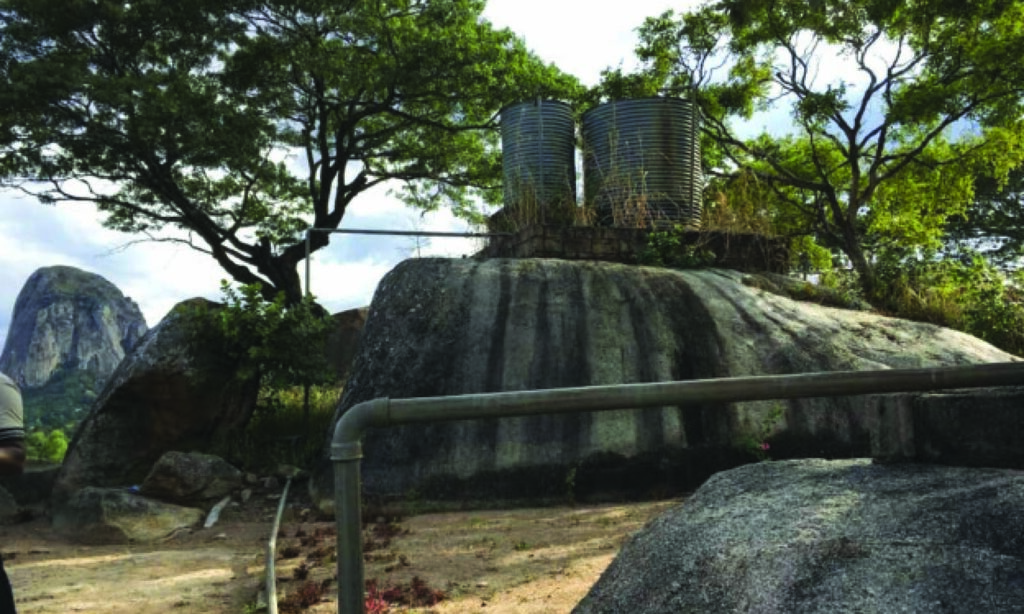
History preservation remains key in the embodiment of our values of strength and resilience as Zimbabweans.
He has established Bare Resort Centre at the ruins of a former surveillance camp, known locally as “protected keeps”.
This site is emblematic of the struggles endured during the liberation war and serves as a focal point for historical education and cultural pride.
Mr Manyukisa, inspired by President Mnangagwa’s mantra “Nyika inovakwa nevene vayo/Ilizwe lakhiwa ngabanikazi balo”, emphasises the importance of understanding and preserving history.
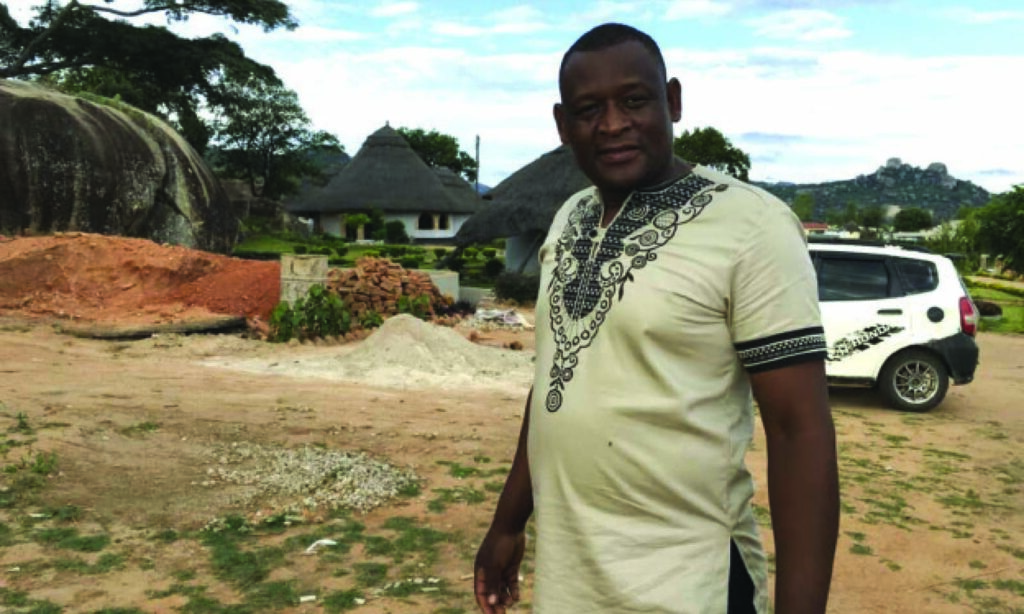
Mr Gift Manyukisa
He believes that history is the embodiment of values, identity and tradition.
“The act of preserving our historical monuments is paramount in instilling a sense of pride and continuity within our communities.
“These monuments serve as educational vessels, teaching us about our roots and providing a sense of belonging,” said Mr Manyukisa.
His vision goes beyond mere preservation; he aims to create a space where people can learn about their history while enjoying the beauty of their surroundings.
As part of his commitment to historical preservation, Mr Manyukisa plans to develop one of the largest conference centres atop the mountain hills that were once part of the Rhodesian surveillance network.
This location was strategically chosen for its historical significance and natural beauty, offering a unique setting for educational and cultural events.
“We are still a work in progress, but we intend to create a venue that not only honours our past, but also supports the growth of local tourism,” Mr Manyukisa said.
“The conference centre will provide a space for discussions on our history and culture, fostering a deeper understanding among visitors and locals alike.”
The historical importance of Bare is underscored by residents.
Sekuru Elias Gatsi, an 87-year-old elder, recalls that the restricted camp was the most significant protected “keep” in Zimbabwe during the colonial era, housing 21 villages under the watchful eye of the white forces.
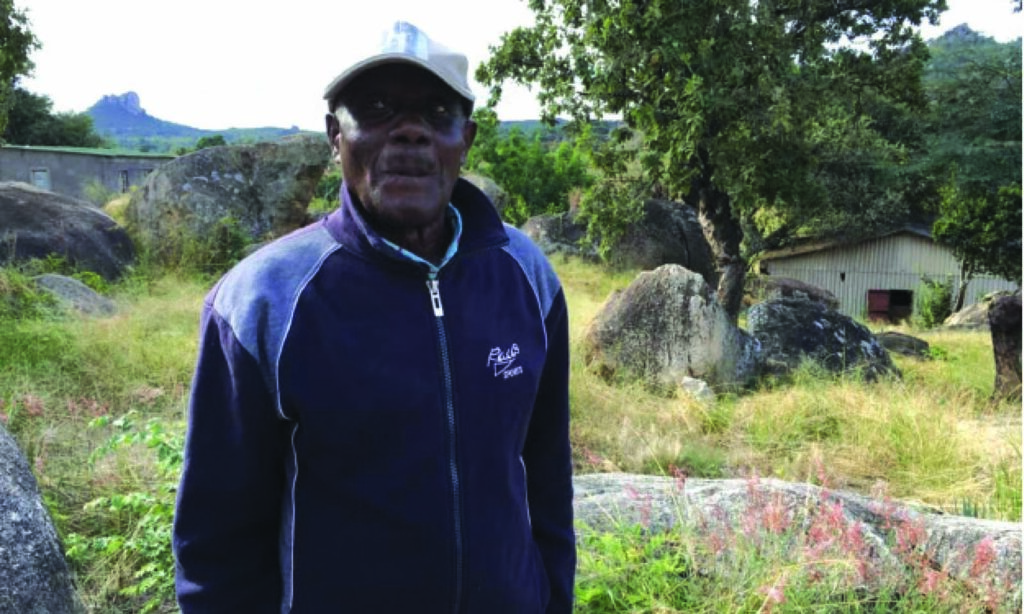
Sekuru Elias Gatsi
“Bare is an area surrounded by mountains. During the liberation struggle, the Rhodesians realised they could not win against the comrades due to the environmental advantage in guerrilla warfare,” Sekuru Gatsi explained.
“They established this camp at the centre to monitor everything.”
The camp housed essential facilities, including water reservoirs, guard rooms, and offices, all designed to maintain control over the local population.
For those who lived through these times, the site remains central to their identity and cultural memory.
Historian Mr Collins Kasiya emphasises the significance of Bare Resort as a reminder of the struggles and sacrifices made during the liberation war.
He believes that the remnants of the past offer invaluable lessons for future generations.
“Bare Resort stands as a poignant reminder of the struggles and sacrifices in the liberation war. It is through the ruins and remnants of the past that we glean lessons and truths that inform our identity as a nation,” Mr Kasiya noted.
Visiting Bare Resort is more than just a pilgrimage; it provides an intimate connection with heritage.
Amidst the remnants of the Rhodesian forces’ camps, the stories of ancestors come to life, bearing witness to their courage and indomitable spirit.
In a world increasingly disconnected from its roots, initiatives like those of Mr Manyukisa serve as vital links to history and culture.
By preserving the stories and sites of the liberation struggle, Bare Resort not only honours the past but also enriches the present and future of the community.
As locals and visitors alike explore these historical grounds, they are reminded of the resilience that defines their identity and the importance of remembering and learning from their shared history.


 Online Reporter