admin
admin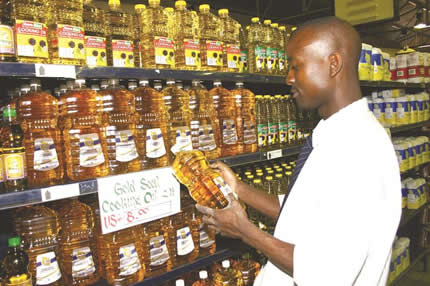
Petrol went up from US$1,54 to US$1,61 while diesel climbed up from US$1,34 to US$1,39 .
A snap survey by Herald Business revealed that this triggered an upward review in the prices of most basic commodities.
The price of a 2kg packet of sugar went up from US$2,15 to US$2,25 while a 750ml bottle of cooking oil rose from US$1,75 to US$1,85.
Mealie-meal went up from US$12,38 for a 20kg bag of roller meal to US$14,50 while flour increased by US$0,15c from US$1,95 to US$2,10.
There has been an increase in the price of laundry bar soap which cost US$1,50 but is now being sold for US$1,75.
Zimbabwe National Chamber of Commerce president Mr Oswell Binha said the increase in prices of basic commodities did not come as a surprise.
“Once you increase the price of fuel, it is expected that the prices of all other commodities and services will also increase,” he noted.
But he said the ZNCC was tracking the thresholds on the increases to ensure that the increases were justified, considering the margin of the hike in excise duty.
“We want our members to exercise caution when implementing some of these increases because there has to be a balance in the production cost and the subsequent rise in the price of commodities,” he said.
In a statement issued earlier this month, Consumer Council of Zimbabwe executive director Ms Rosemary Siyachitema said the increase in the price of fuel would have serious ramifications on the cost of living.
“Just recently, the least-paid civil servants had a pay increase of US$20. The authorities forget that it is the same consumer who has not had any meaningful salary increases in a long time, who is expected to absorb the swell in prices of goods and services,” she said.
She said the increase would mean that consumers would fork out more money to get to work and the rise in prices of consumer goods will be an extra burden on the already hard-pressed consumers.
RELATED STORIES
“The CCZ notes with concern that the welfare of consumers continues to slide, with most consumers living well below the Poverty Datum Line in the face of relentless increases in the prices of basic goods and services and shockingly static, meagre salaries,” she said.
But Mr Binha said although Zimbabwean consumers would pick up the production costs to make sure that companies continue to produce, there was still an ongoing debate on whether companies should implement productictivity-related remuneration.
“Considering that production is very low and capacity utilisation is still not at its best, we have not been able to make our productive sectors work to generate revenue for the economy,” he said.
For that to happen, there was need to go back to the drawing board.
“Let us increase the revenue collection by making sure that industry works and productivity picks up and we can only do that through a policy direction,” he said.



 Online Reporter