

 admin
admin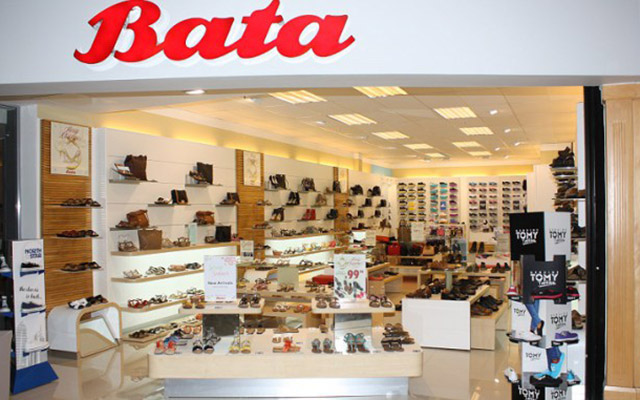
Business Reporter
Bata Zimbabwe says it expects operational growth in 2017 to surpass the six percent currently obtaining driven largely by an expansion initiative, which will see the footwear manufacturer open new outlets across the country.
Bata Zimbabwe has been operational since 1939.
The company whose manufacturing plant is in Gweru operates a widespread non retail distribution network through its wholesale, dealers and export divisions.
Bata Zimbabwe managing director Ehsan Zaman said the footwear manufacturer is looking at expanding its outlets while also upgrading the existing ones.
“We are doing well in terms of growth and according to the estimates we are at around six percent so far and going forward we will see how it goes.
“We would like to make some improvements and we are committed at building new products.
By doing that we are strengthening our production and produce more so that we can supply our stores faster,” said Mr Zaman at the official opening of an outlet in Marlbereign recently.
Mr Zaman said the company has also refurbished the Robert Mugabe and Chitungwiza outlets among others.
He said Bata Zimbabwe will also be opening an outlet in Arundel next month.
“This year we have a plan to renovate eight stores in Gweru, Masvingo, Zvishavane, Kadoma and Bulawayo and we are looking for more opportunities.
“We would like to expand and make our stores better while giving our customers a better shopping experience and more selections at affordable price,” said Mr Zaman.
He said the company is currently operating at 90 percent capacity utilisation.
“We are also proud because we are one of few companies who are doing value addition.
“We process the leather and make shoes that we sell locally or export,” said Mr Zaman.
He added that the company is also facing challenges on making foreign payments.
Mr Zaman said the company gets around 65 percent of its raw materials locally while about 35 percent if imported from South Africa.
“Failure to make foreign payments on time is affecting our operations because we import 35 percent of our inputs from South Africa.
“So whenever our foreign payments are put in a queue we are bound to suffer as a business but we promise to soldier on since we are one of the companies who have continued to operate even in the most difficult times,” said Mr Zaman.


 Online Reporter