Online Reporter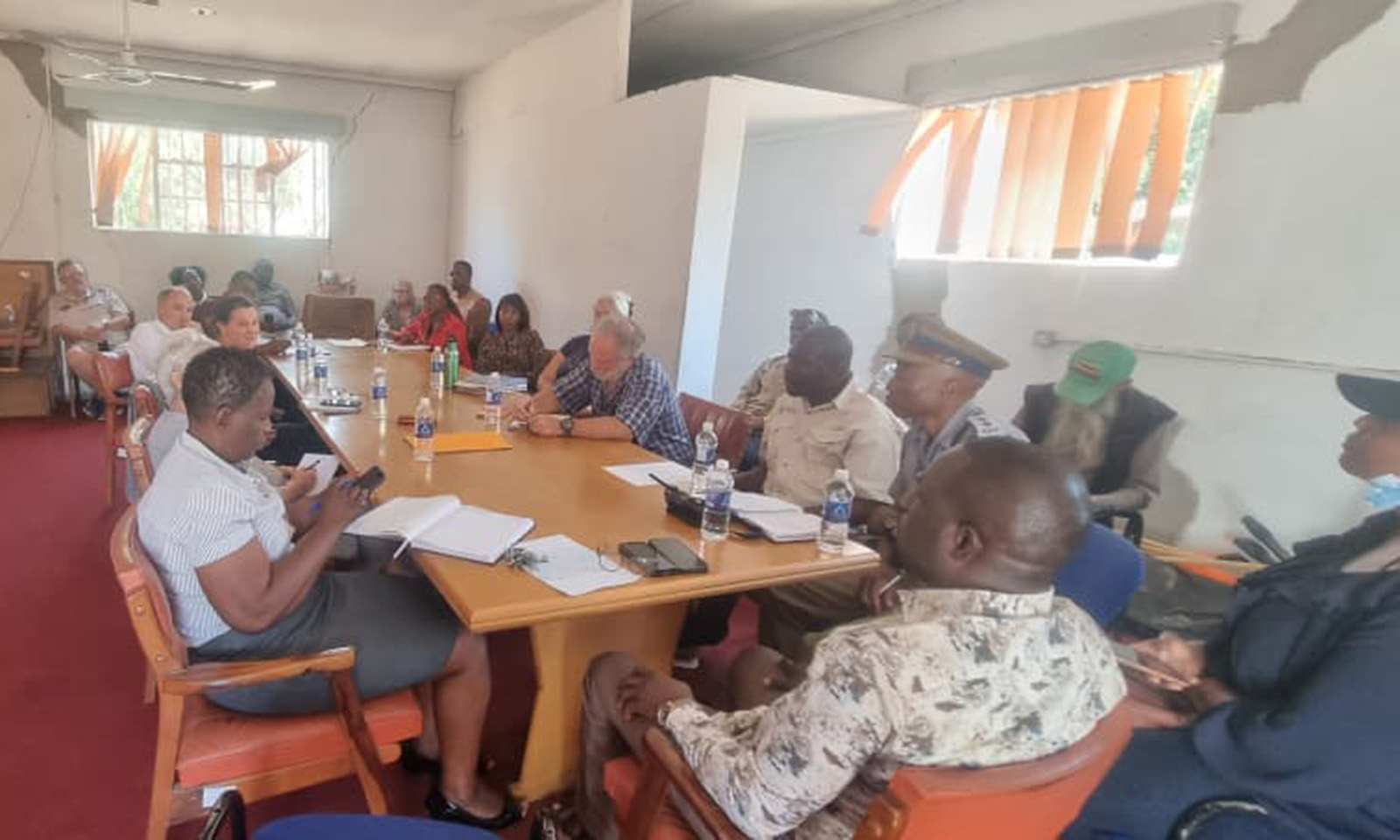
Peter Tanyanyiwa
Herald Correspondent
A LANDMARK meeting on Tuesday morning saw Harare’s western and northern suburb leaders, residents, police, and city officials unite in an unprecedented pledge to clamp down on repeated noise pollution offenders, setting a new standard for urban cooperation in the capital.
The gathering at Mt Pleasant District Office, organised by Ward 17 Councillor Happymore Gotora, brought together over 20 residents from Ward 17, City of Harare (CoH) representatives, and Inspector Herbert Sengurai, Officer in Charge at Avondale Police Station, alongside members of the Avondale Crime Liaison Committee (ACLC).
The issue on the table: relentless noise from nightclubs, sports clubs and bars that has disturbed neighborhoods for over five years and, according to many, is only getting worse.
After a frank discussion of frustrations and constraints, all parties agreed to take firmer action against venues that repeatedly breach noise and licensing regulations.
Inspector Sengurai assured residents, “We are committed to making sure repeat offenders are brought to court, not just fined. But we need your support—testimony from residents is critical for successful prosecution. Together, we can restore peace to our neighbourhoods.”
Inspector Sengurai explained the complexities police face: “Most of the venues causing problems are licensed by the City of Harare. Our role is to ensure they operate within their licence conditions—usually closing by midnight for bars and restaurants. But we do not have the equipment to measure decibels; we rely on the reasonable person’s judgment. If the noise is excessive, we respond, warn, and, where necessary, take further action. However, our hands are often tied by the licensing system and the need for community evidence.”
City officials echoed this stance, emphasizing the power to revoke licences lies with the municipality. Mr James Mazvimba, from the City of Harare’s Development Control Department, clarified, “These joints are licensed to operate—not to make noise. If there is documented evidence of repeated violations, the City has the authority to revoke licences. We need detailed reports from both the police and residents to take decisive action.”
Region 4 Area Manager Mrs Marian Mverechena, agreed: “We welcome collaboration with residents and police, and we are ready to act on serial offenders. It’s time to ensure our licensing system protects residents’ rights as well as business interests.”
The meeting was marked by emotional pleas from residents, some of whom have been forced to move out of their homes due to the unrelenting din.
“We just want to be able to sleep, especially on Saturday and Sunday nights,” said one resident, who asked to remain anonymous.
“It’s not fair that our families can’t rest because of a few unruly venues.”
Others emphasised the original purpose of local sports clubs.
“These clubs were meant for sports and community events, not for late-night gigs that draw crowds and create chaos,” said another resident.
“We call on the City to enforce the rules and protect what’s left of our community spaces.”
Chairperson of the Avondale Crime Liaison Committee Ms Eyahra Mathazia, shared her own personal ordeal: “I had to sell my house and move out because of noise. Years ago, we managed to get Belgravia Sports Club banned from hosting gigs for four years by uniting as residents, working with the police, and keeping records. It can be done again—but it takes commitment, unity, and a willingness to follow through.”
Mathazia explained the practical steps: “After three police fines, residents should petition the licensing board, explaining the health risks and community impact. No one is licensed to make noise; they are licensed to operate. We must use our voice and our evidence to protect our neighbourhoods—and our health. Chronic sleep deprivation is a serious health hazard.”
The meeting also exposed deeper urban planning issues. Residents and experts noted that the conversion of residential areas into business districts has hollowed out local sports clubs and driven them toward non-sporting activities like music events. Economic pressures, currency instability, and high taxes have eroded club memberships, making it harder for traditional community activities to survive.
“There must be a balance,” said Clr Gotora.
“Harare’s growth shouldn’t come at the expense of residents’ rights and community assets. We’re calling for the City to enforce its own rules and protect our neighbourhoods from unchecked commercial activity.”
The outcome of the meeting was a clear, united front: repeated noise offenders will face legal action, and a collaborative reporting and petitioning system will be established. Residents pledged to support police efforts, while city authorities committed to act swiftly on well-documented complaints.
As Harare’s suburbs wrestle with the consequences of rapid urban change, the Ward 17 alliance offers a blueprint for community-driven action—one that could echo across the city.
“We may not have solved the problem overnight,” observed a long-time resident, “but for the first time, everyone is listening—and acting. That gives us hope.”