Herald Reporter
Evidence of active breeding by two of Zimbabwe’s threatened crane species has emerged from a recent survey of the Driefontein Grasslands, although conservationists remain concerned about declining populations in the country’s key crane habitat.
BirdLife Zimbabwe, working with the Zimbabwe Parks and Wildlife Management Authority (ZimParks), conducted a seven-day survey from November 3 to 9 targeting four flagship bird species, the Wattled Crane, Grey Crowned Crane, Secretarybird and Kori Bustard.
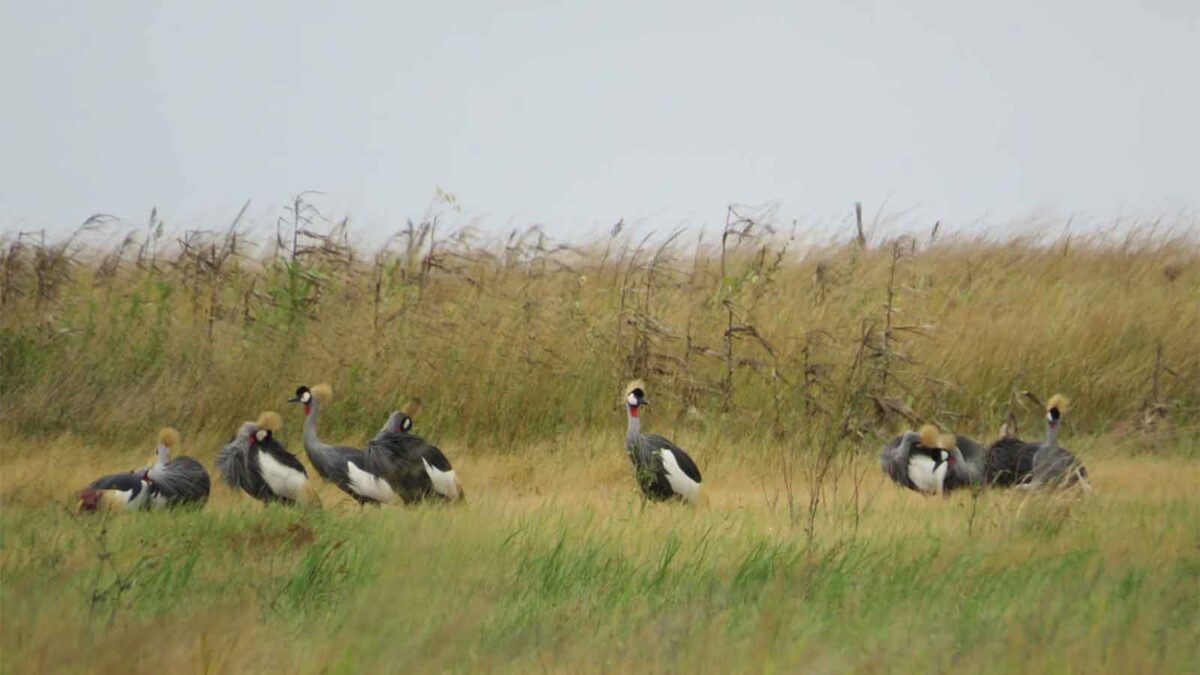
The survey recorded 111 Grey Crowned Cranes, 39 Wattled Cranes and six Secretarybirds, while no Kori Bustards were observed.
Of particular significance was the recording of juveniles among both Grey Crowned and Wattled Cranes, confirming that the internationally important Driefontein landscape continues to support active breeding.
The survey was conducted in collaboration with local youths from Markdale, Chinyaure 1, Chinyaure 2, Widgeon 2 and Widgeon 4B villages, who are being trained to play a greater role in monitoring the birds and their habitats.
BirdLife Zimbabwe education and avitourism officer Mr Ronald Chirimuta said the involvement of local communities was critical to the long-term conservation of the species.
“We are often asked why birds matter. The simplest answer is that birds are reliable indicators of ecosystem health through their presence, abundance, and population trends directly reflect the condition of the environment around them,” he said.
The latest findings are particularly important given the ecological significance of the Driefontein Grasslands, which straddle parts of Masvingo, Midlands and Mashonaland East provinces.
The landscape is recognised as both an Important Bird and Biodiversity Area and a Ramsar Wetland of International Importance. It is estimated to hold about 85 percent of Zimbabwe’s Wattled Crane population and is an important breeding and feeding area for the Grey Crowned Crane and Secretarybird.
BirdLife Zimbabwe records show that previous surveys have also demonstrated the importance of the area.
In July 2018, researchers recorded 84 Wattled Cranes and 115 Grey Crowned Cranes, while a February 2022 survey recorded 55 Wattled Cranes and 86 Grey Crowned Cranes.
Mr Chirimuta said the latest survey nevertheless came against the background of worrying population trends.
“However, survey data from recent years reveals a concerning decline in both crane species, a critical issue given that roughly 85 percent of Zimbabwe’s Wattled Crane population resides in Driefontein,” he said.
The conservationist said BirdLife Zimbabwe was therefore implementing targeted interventions aimed at protecting the wetlands on which the birds depend.
“Central to this approach is partnering with local communities to restore degraded wetlands and monitor flagship species,” he said.
“Because local youth possess invaluable knowledge of where these birds occur, they actively participated in the recent Crane and Secretarybird surveys.”
The latest exercise builds on a Crane and Secretarybird Species Action Plan Workshop held in Harare from August 18 to 20, which brought together key stakeholders to review conservation priorities, share technical expertise and strengthen partnerships around the protection of the species and their habitats.
Draft Species Action Plans emerging from the workshop are now being finalised.
The November survey is expected to provide a new baseline for future monitoring, with conservationists planning to track breeding seasons, monitor known nesting sites and identify additional breeding areas.
The participation of local youths is also expected to strengthen the continuity of monitoring, particularly in a landscape where knowledge held by communities can help conservationists identify bird movements, nesting areas and changes in habitat conditions.
Beyond the four target species, the teams recorded 152 bird species on eBird, including 14 Palearctic migrants and 11 intra-African migrants.
Among the species recorded were the Locust Finch, Black-rumped Buttonquail, African Marsh Harrier and Marsh Owl, providing a broader picture of the ecological value of the grasslands and wetlands.
The presence of migratory birds further highlights the importance of Driefontein as a foraging, stopover and breeding area along the African-Eurasian Flyway.
Zimbabwe is a Party to the Convention on the Conservation of Migratory Species of Wild Animals (CMS) and the African-Eurasian Migratory Waterbird Agreement (AEWA). The country is also a signatory to the Raptors Memorandum of Understanding, having joined the agreement in May 2025.
The international significance of Zimbabwe’s bird conservation efforts will come into sharper focus later this month when Victoria Falls hosts the Fourth Meeting of Signatories to the Raptors MOU from November 30 to December 2. The meeting will bring together signatories and conservation partners to review progress and set future priorities for migratory birds of prey.
For Driefontein, however, conservationists say the priority remains protecting the wetlands and grasslands that sustain the birds throughout their breeding and feeding cycles.
BirdLife Zimbabwe has previously identified wetland degradation, unsustainable land management, overgrazing, fire and climate variability among pressures affecting the Driefontein ecosystem.
Mr Chirimuta said every bird recorded during the survey contributed to understanding the health of the wider ecosystem.
“While the survey prioritised the Wattled Crane, Grey Crowned Crane, Secretarybird and Kori Bustard, teams also recorded every bird species seen or heard,” he said.
The continued presence of breeding cranes, together with the diversity of resident and migratory birds recorded during the exercise, provides an important conservation opportunity, while the absence of Kori Bustards highlights the need for continued monitoring.