Online Reporter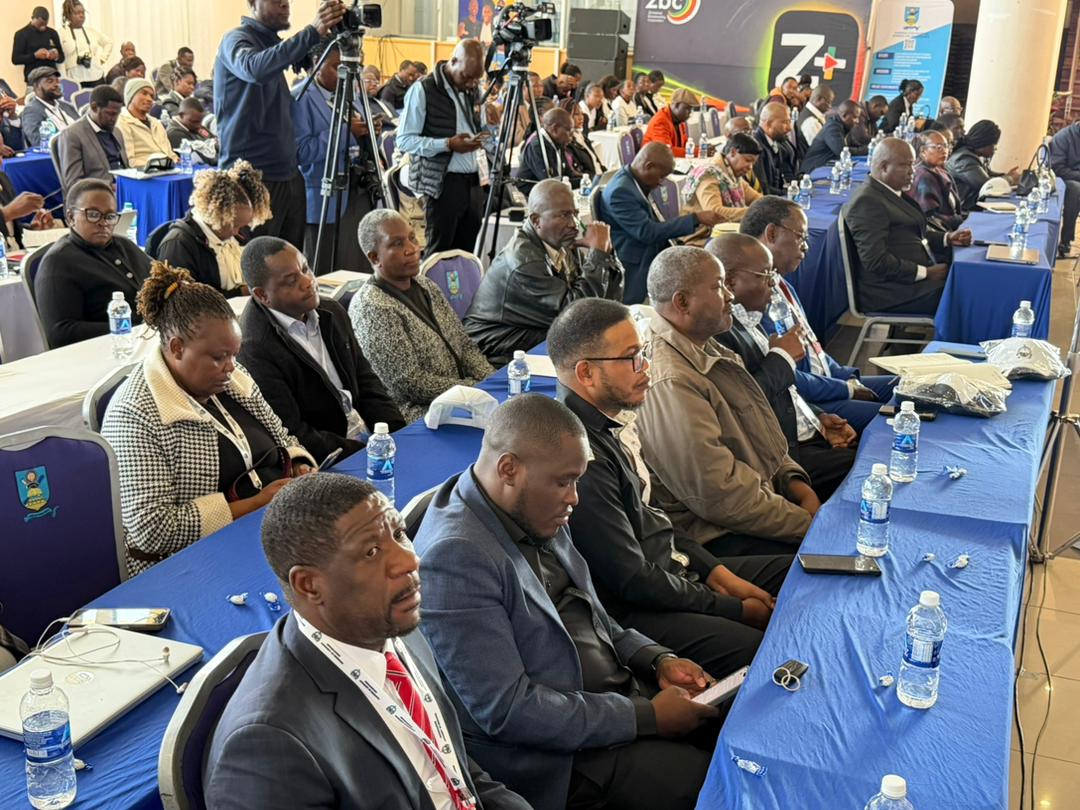
Andile Tshuma, Chronicle Reporter
THE Broadcasting Authority of Zimbabwe (BAZ) has called for a fundamental shift in broadcasting regulation to keep pace with rapid technological changes that are blurring the lines between traditional broadcasting, telecommunications and digital media platforms.
Presenting a policy brief on “Regulating Broadcasting in a Converged Digital Environment” at the ongoing Annual Broadcasters Conference, BAZ Acting Chief Executive Officer Engineer Matthias Chakanyuka said regulators and industry players must continuously engage on emerging technologies, particularly artificial intelligence and digital media tools, which are transforming content production and distribution.
Engineer Chakanyuka said the broadcasting sector is operating in an increasingly converged environment where traditional boundaries are disappearing.
“Broadcasting is now merging with telecommunications, internet-based media is increasingly competing with traditional broadcasting, artificial intelligence is transforming content production, while audiences are consuming content across multiple devices and platforms,” he said.
He noted that global technology companies are also increasingly competing for local audiences and advertising revenue, presenting new regulatory challenges for national broadcasting authorities.
Engineer Chakanyuka said the changing media ecosystem raises critical policy questions around the definition of broadcasting in the digital era and the distinction between content creators operating online and licensed broadcasters.
“There are two key questions that arise in a converged environment. Firstly, how do we define broadcasting in a converged digital environment? Secondly, what is the thin line between blogging and broadcasting?” he said.
He said the traditional communication model, where broadcasters transmitted content directly to audiences, was being replaced by a more complex ecosystem involving content creators, digital platforms, broadcasters and audiences interacting in multiple directions.
“There is a need to move from the traditional broadcaster-to-audience model to an environment where content creators, platforms, broadcasters and audiences are all interconnected and interacting with each other,” said Engineer Chakanyuka.
He said this new reality demands continuous dialogue among regulators, broadcasters, policymakers and technology experts to ensure regulatory frameworks remain relevant while fostering innovation and industry growth.
Meanwhile, Engineer Chakanyuka announced that Government had gazetted a new Statutory Instrument that reduces broadcasting licence fees by 50 percent across all categories.
He said the move is aimed at promoting ease of doing business and supporting the growth of the broadcasting industry.
Zimbabwe’s broadcasting sector is currently classified into three categories namely Public Broadcasting Services, Commercial Broadcasting Services and Community Broadcasting Services.
The Annual Broadcasters Conference has brought together regulators, broadcasters, policymakers and industry stakeholders to discuss the future of broadcasting in an era increasingly shaped by digital transformation and artificial intelligence.