Online Reporter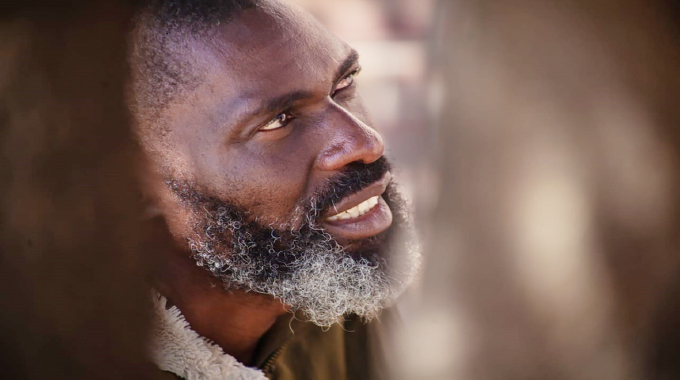
Mbulelo Mpofu [email protected]
THE journeys of those who leave home in search of a better life, the pain of displacement and the hope found in returning home will take centre stage in Bazobuya, a new stage production written and directed by acclaimed photographer and theatre practitioner Mgcini Nyoni.
Set to be staged at Amakhosi Cultural Centre on August 20 and 21, the production features an accomplished cast comprising Tsoka Kwenda, who also serves as the narrator, alongside Alex Marowa and Ntombikayise Ndlovu.
More than a conventional theatre performance, Bazobuya is an emotional and reflective work that weaves together monologues, music and ritual to tell intimate stories often hidden behind headlines about migration, xenophobia and displacement.
At its core, the production explores migration, border struggles, xenophobic violence, identity and the complicated emotions surrounding return, while celebrating resilience, compassion and the shared humanity that connects people across borders.
Nyoni described the play as a historical archive and a healing ceremony, saying it was created to preserve the often-overlooked human stories behind migration.
“Bazobuya is a lyrical, political and deeply tender monologue- and song-driven stage play that explores themes of migration, border precarity, xenophobic displacement and the complex grief of return. Guided by an elder Narrator who serves as a living archive, the play maps the human stories behind the headlines through a series of intimate vignettes and songs,” he said.
The production begins in darkness, with the rhythmic sounds of shakers and the stirring title song creating an atmosphere of reflection before introducing the Narrator, whose presence becomes the emotional and historical anchor of the performance.
From there, audiences are taken on a journey through interconnected stories that mirror the experiences of countless migrants navigating unfamiliar lands, loss and the search for belonging.
One of the production’s most heart-breaking moments comes through The Invisible Woman, which follows an ageing Zimbabwean domestic worker in Johannesburg who experiences deep emotional pain when the child she spent 17 years raising walks past her at a taxi rank without recognising her. The scene captures the often-unseen sacrifices of migrant workers whose years of dedication can go unnoticed despite the important roles they play in the lives of others.
The play then moves into The Countdown and The Flight, introducing Thabani, a once-respected history teacher who now works as an Uber driver while constantly living under the pressure of permit expiry dates. His story is accompanied by Simba, a young spaza shop owner whose life is thrown into uncertainty when he is given only 180 seconds to flee an approaching xenophobic mob, highlighting the fear and instability faced by many migrants.
Another moving chapter, The Sanctuary and The Neighbour, introduces Blessing, a Zimbabwean farmer forced to abandon a decade’s worth of hard work within 48 hours. Rather than destroy the crops that represent years of sacrifice and hope, he leaves them standing. His experience is contrasted with that of Mama Nomsa, a compassionate South African neighbour who rejects hatred and risks her own safety by hiding vulnerable children beneath her floorboards.
Together, their stories show that even in moments of fear and division, acts of kindness and humanity can still emerge. Questions of identity and belonging come to the fore in Born Here, where Chipo, a 17-year-old student born in South Africa, faces exclusion at school because of her surname. The production then moves to The River, where Bona, a Malayitsha transporter, reflects on the haunting memories of lives lost along the Limpopo River — a route that has come to represent desperation, hope and tragedy for many migrants.
The emotional journey concludes with The Unwelcome Return, where Thando returns to his rural home carrying only a worn-out suitcase. Initially viewed as a symbol of failure, the suitcase reveals something far more meaningful, seeds rather than money or material possessions.
In a powerful closing ritual, Thando plants the seeds alongside the rest of the company, transforming personal shame into a symbol of collective healing and renewal. Rather than reducing migration to statistics and political debates, Bazobuya gives a human face to those who leave home and those who return carrying invisible scars.
Through storytelling, music and symbolism, the production challenges audiences to reflect on identity, memory, belonging and compassion while encouraging a deeper understanding of the complexities surrounding migration.
With performances from Tsoka Kwenda, Alex Marowa and Ntombikayise Ndlovu under Nyoni’s direction, Bazobuya promises to be a thought-provoking theatrical experience that explores one of Southern Africa’s most pressing social realities.
Ultimately, the production stands as both an archive of migrant experiences and a celebration of resilience, reminding audiences that beyond borders, documentation and politics lies a shared humanity capable of healing even the deepest wounds.
– Follow on X @MbuleloMpofu