Online Reporter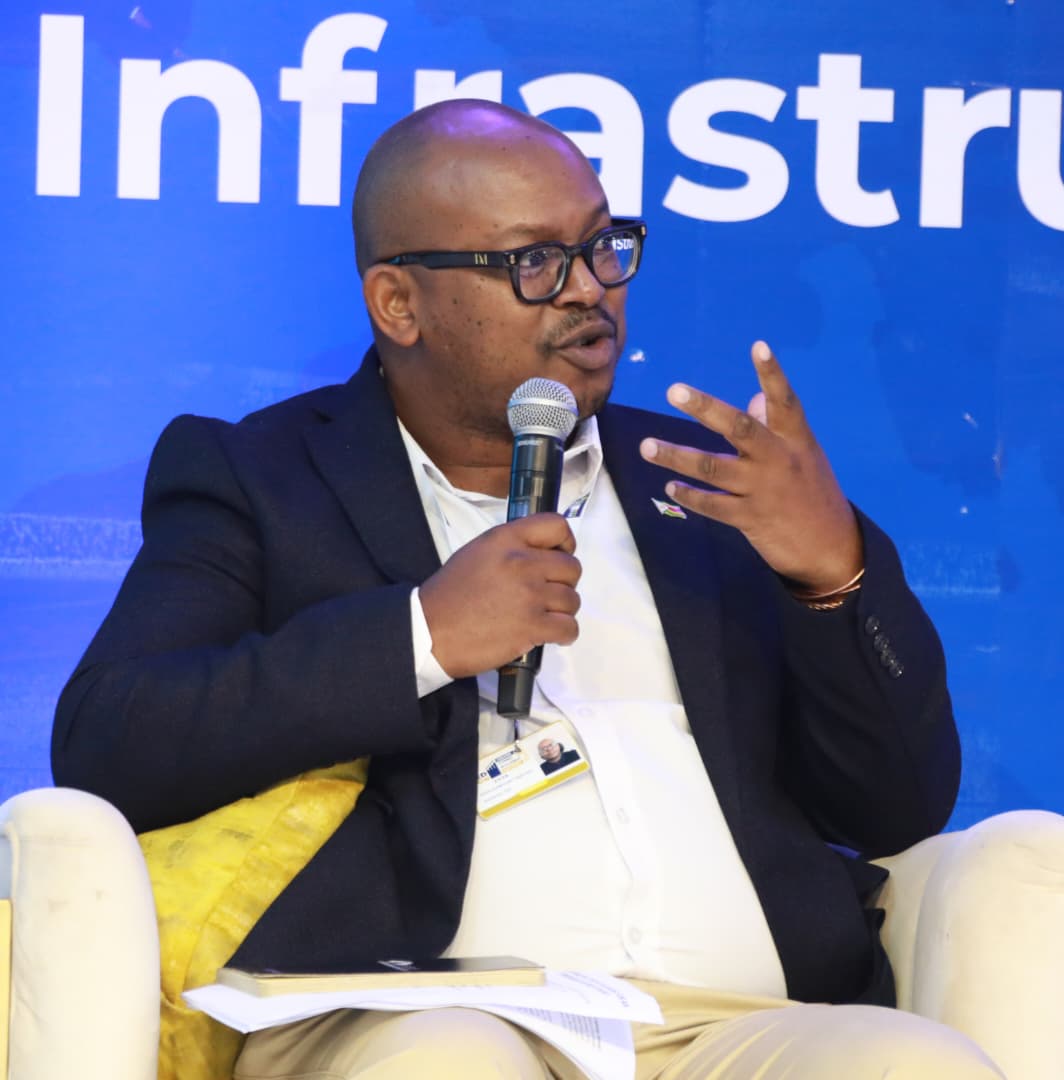
Judith Phiri [email protected]
THE Beitbridge Bulawayo Railway (BBR) has underscored the importance of greater collaboration among key stakeholders in strengthening urban rail services and developing an efficient, integrated national transport system capable of supporting economic growth and easing pressure on the country’s road network.
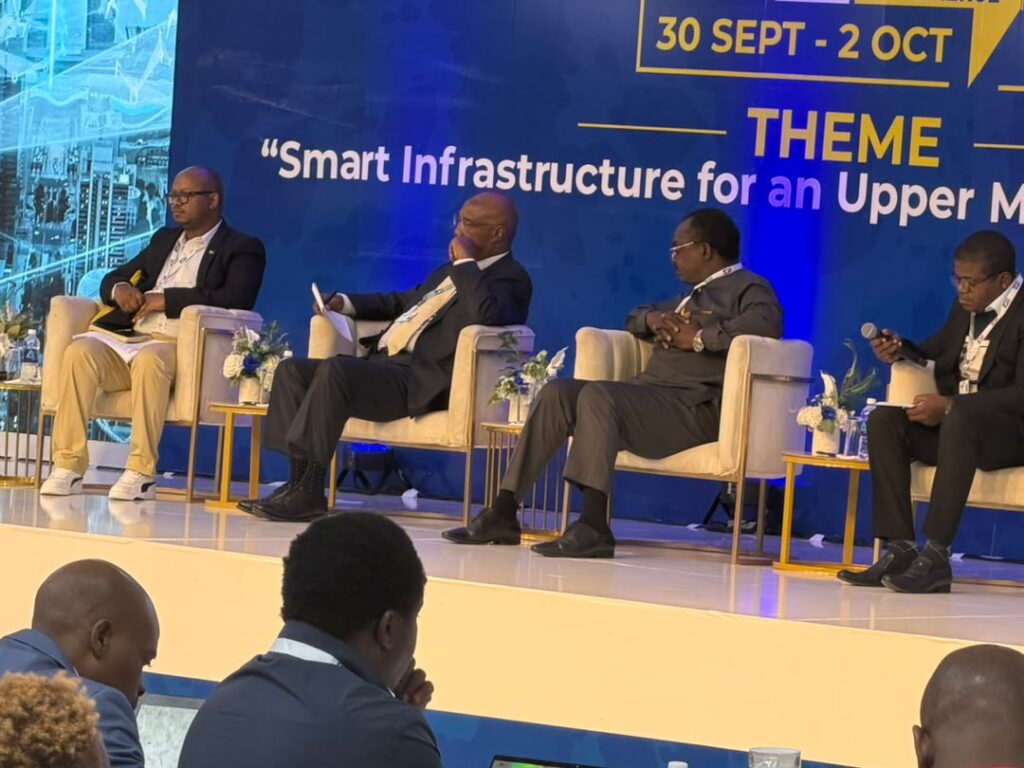
Speaking in a panel discussion at ZEDCON 2026 on Thursday, BBR General Manager Mr Khumbulani Mabvura said BBR’s interest in urban rail was timely.
“In Harare and Bulawayo, many commuters know the daily reality of long queues, uncertain travel times, rising fares and congested roads. A functioning urban rail system can move large numbers of people along established corridors, give workers and students a more predictable journey and support better-planned growth around stations,” he said.
“It must, however, be part of one public transport system, linked to buses, kombis, walking routes and safe interchange facilities, rather than operating as a railway project on its own.”
He said many urban workers live far from employment, education and health services, while long and uncertain journeys reduce household welfare and business productivity.
Mr Mabvura said where existing rail reserves pass near dense communities and employment nodes, commuter services may provide an affordable backbone.
“Feeder buses, safe walking routes and controlled interchange facilities would complete the journey. Ticketing should be simple and interoperable.”
He said the practical starting point was a demand and corridor study for Harare and Bulawayo.
Mr Mabvura said this should map population density, travel patterns, existing track capacity, level crossings, station condition and conflicts with freight.
He added: “A pilot corridor can then be selected on the basis of demand, cost and deliverability. Early phases may use refurbished diesel multiple units or push-pull sets where technically suitable, while longer-term plans consider electrification and dedicated sections.”
Mr Mabvura said stations should be planned as economic nodes and local authorities could guide housing, offices, markets and public services towards walkable station areas, while protecting railway land from encroachment.
He said carefully structured development rights and commercial leases could generate revenue for station upkeep.
“Informal traders should not simply be displaced; they should be accommodated in safe, serviced spaces that recognise the reality of Zimbabwe’s urban economy.
“Urban rail requires cooperation among central Government, local authorities, railway operators, traffic police, bus operators and communities. Fares must balance affordability with operating sustainability. Targeted support for vulnerable passengers is preferable to an unfunded blanket subsidy,” he said.
Mr Mabvura said BBR could participate as an investor, technical partner, rolling-stock arranger or operator under a competitively structured agreement.
He said its role should be determined by feasibility and capability, not assumed in advance.
“A pilot public-private partnership may be useful if Government defines service outcomes, protects public access and pays transparently for any required social service obligation.”