Online Reporter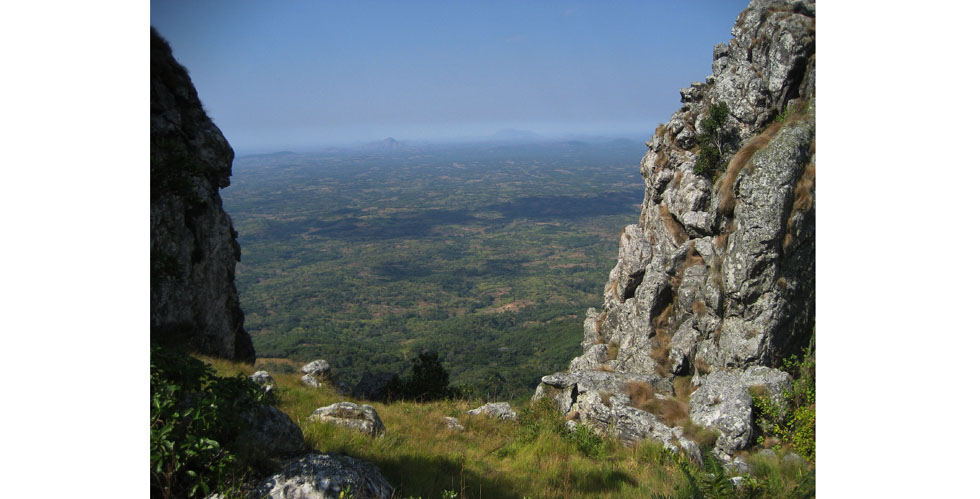
Liberty Dube
Tourism Correspondent
Part Three
IN the eastern side of Manicaland, where Zimbabwe kisses the border with Mozambique, lies a realm untouched by the chaos of the modern world.
A rugged, mystical land that sings the ancient song of nature.
The two provinces of Manicaland and Manica in Mozambique, a visitor immerses self in true wildernesses, where mountains whisper tales of time, rivers cleanse the soul, and heritage weaves its story into the fabric of the landscape.
At the heart of this enchanting journey stands Mount Binga, the tallest peak in Mozambique at a soaring 2,436 metres.
Tucked within the revered Chimanimani National Park, Mount Binga is more than just a climb, but a spiritual pilgrimage.
The path winds through dense montane forests and across granite-strewn ridges, leading to a peak that greets the morning sun before any other point in the country.
Below, the forest stirs with life.
Elusive forest elephants thread their way through the undergrowth, and rare bird species flit like forgotten dreams above mist-kissed grasslands.
For those in search of the much-needed hydrotherapy, the thundering waters of Mudzira and Muoha Falls offer more than a visual spectacle.
Generally, hydrotherapy, also called balneotherapy or aquatic therapy is any method that uses water to treat a variety of symptoms throughout the body.
Here, the spray meets skin like a blessing, and the sound of cascading water echoes deep into the soul — nature’s own form of hydrotherapy.
Not far away, the magnificent Serra Choa Mountains rise gracefully north of Catandica, cloaked in ancient miombo woodlands.
Catandica is also situated in Manica Province.
Reaching the heights, the range is a paradise for adventurers and seekers alike.
Trails snake through the forest, inviting hikers, mountain bikers and even horseback riders to discover panoramic views that leave you breathless in more ways than one.
It is definitely a must-climb mountain for hiking enthusiasts.
The mountain’s prominence is 175m while by elevation it is number 88 out of 366 in the Eastern Highlands, number 61 out of 3574 in Mozambique and number 23 out of 339 in Manica.
But it is not just the vistas that captivate, but also the chorus of endemic birds that call from the canopy.
It is the delicate balance of life humming from every branch and root.
Birdwatchers are particularly drawn to this quiet haven, where every turn of the trail may reveal a flash of color or a haunting call unique to the Eastern Highlands.
For those in search of peace beyond the physical, Quinta das Fronteiras in the Manica district offers a sacred sanctuary.
Set amid a sacred forest, this retreat is a place of quiet meditation and natural splendor.
Here, crystal-clear streams weave through thickets of sacred flora, forming tranquil pools and gentle cascades that invite slow, contemplative walks.
Vibrant birds dart between the trees, adding a playful harmony to an already serene atmosphere.
It is a place that seems removed from time a spiritual oasis that encourages visitors to listen not just to the sounds around them, but to their own hearts.
History, too, leaves its mark on this land which makes Manica and Manicaland two beautiful provinces with sites so rich in cultural and historical significance.
Just five kilometres south of Manica town, Mvuradviti Rock Paintings offer a window into a distant past.
Etched onto the rock faces are ancient depictions of animals, hunting scenes, and ceremonial gatherings depicting the cultural lifestyles of the locals.
These paintings, dating back thousands of years, remain culturally significant to the Shona people, standing as testaments to their deep relationship with the land and spirit world.
And finally, atop the rolling green hills of Báruè stands the Monumento Makombe.
This is a solemn yet proud tribute to anti-colonial resistance. Here, history and reflection meet.
The gentle slope of the hills invites quiet contemplation as one considers the resilience of those who came before such as liberation war heroes and visionaries.
This site, often wrapped in early morning mist, holds a sacred stillness that commands reverence and historical significance.