Andrew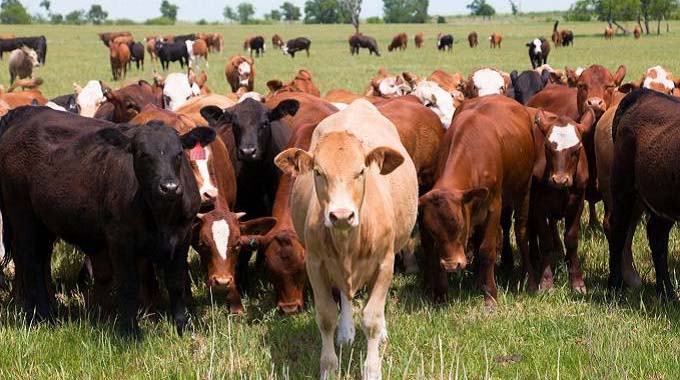
Business Reporter
As the rehabilitation of the Cold Storage Company (CSC)’s Bulawayo plant nears completion, the country’s former largest meat processor is forging a lucrative partnership with communal cattle farmers to ensure sustainable supply of stock for processing, an official has said.
The meat-processing giant is creating a huge market for rural farmers, which is designed to ensure they get the maximum possible value from their animals.
CSC used to be among the country’s largest employers before its fortunes changed after losing key export markets and facing stiff competition from private players, especially ESAP (economic structural adjustment programme)-inspired de-regularisation of the industry in 1992.
Boustead Beef — an investor working on reviving CSC — entered into a 25-year joint venture agreement with the Government in January 2019 under a US$400 million deal. However, outstanding debts prompted the new investor to immediately file for a business rescue to protect the company’s assets from being attached by creditors.
While this slowed the process of rehabilitating the main abattoir in Bulawayo, including and related infrastructure, the process is about 85 percent complete.
Last week, the company took delivery of some equipment from China, with the re-opening of the plant now provisionally set for April.
To ensure sufficient supply of cattle to the plant, CSC is turning all its ranches into feedlots, where animals from the communal farmers would undergo a fattening programme until reaching the slaughter weight.
“We will be working with commercial farmers but sustainability can be generated with partnerships with communal farmers,” Boustead Beef consultant Mr Reginald Shoko said in an interview.
“We have a national herd of 5,4 million cattle in Zimbabwe, so the issue of feedstock in not a problem. An import programme would also complement domestic supplies.”
In light of deteriorating pastures due to climate change-induced prolonged dry conditions, the programme is likely to see many farmers placing their animals in the feed yards.
The increased threat from livestock diseases may encourage farmers to send their animals to feedlots. Besides, there is a bonus payment of weight difference between the placement time and when the cattle reach slaughter weight, added Mr Shoko.
“The farmers will be paid delivery weight price and an additional payment when the cattle reach the slaughter weight, but, of course, after deducting all feeding costs.”
Analysts say the partnership would benefit farmers who are being paid low prices, especially for light-weight animals.
“With deterioration of quality of pastures due to dryness in most parts of country, many communal farmers are not getting good prices for their animals because of underweight,” one cattle rancher said.
“I am sure this scheme will help them get better price, as they will be paid bonuses when their animals reach slaughter weight. Even communal farmers who sell their animals under desperate circumstances would be able to get better prices of their cattle eventually.”
CSC enjoyed monopoly since 1937 when it was formed. But the Government deregulated the industry in 1992, which resulted in serious competition from private players.
A year later, the company had lost 50 percent of its market share to private players.
The Government overlooked the implications of liberalising the industry, as CSC had not been financially capacitated to stand competition from private players.
Since 1992, CSC largely survived on EU exports and had a US$15 million revolving payment facility with the bloc.
The facility was discontinued after the EU suspended imports in 2001 following an outbreak of foot and mouth disease.
CSC had an annual quota of 9 100 tonnes and used to earn at least US$45 million per year from EU export quota.
Efforts by the company to enter Asian markets were unsuccessful after some food safety standards concerns were raised.
The company, which owns four abattoirs, used to employ 1 500 permanent workers and an average 700 casual workers, making it one of the biggest employers in the country.



 Online Reporter