Rungano W. Gwanzura
Harare motorists appealing for an amnesty on fines issued under the Smart Traffic Management System (STMS) are asking for a second chance.
Their anxiety is understandable. In an economy where every dollar counts, a single traffic fine can force families to delay buying groceries, struggle to meet school fees or forgo essential medication.
But before we erase those penalties, we must remember the people whose lives our roads have already erased.
They cannot appeal. They cannot negotiate another morning with their children.
Their families cannot apply for an amnesty from grief.
For years, driving through Harare has demanded more than competence.
It has demanded the instinct to anticipate another motorist’s recklessness: the kombi lunging across lanes, the vehicle charging through a red light, the impatient driver turning a pavement into an extra carriageway.
What should have been an ordinary journey to work became an exercise in survival.
Parents tightened their grip on steering wheels.
Pedestrians hesitated at crossings.
Passengers sat helplessly while drivers gambled with lives entrusted to them.
We became accustomed to this disorder.
Familiarity made it seem normal.
Yet every dangerous manoeuvre carried the possibility of a telephone call that would divide a family’s life into before and after.
Our intersections hold painful evidence.
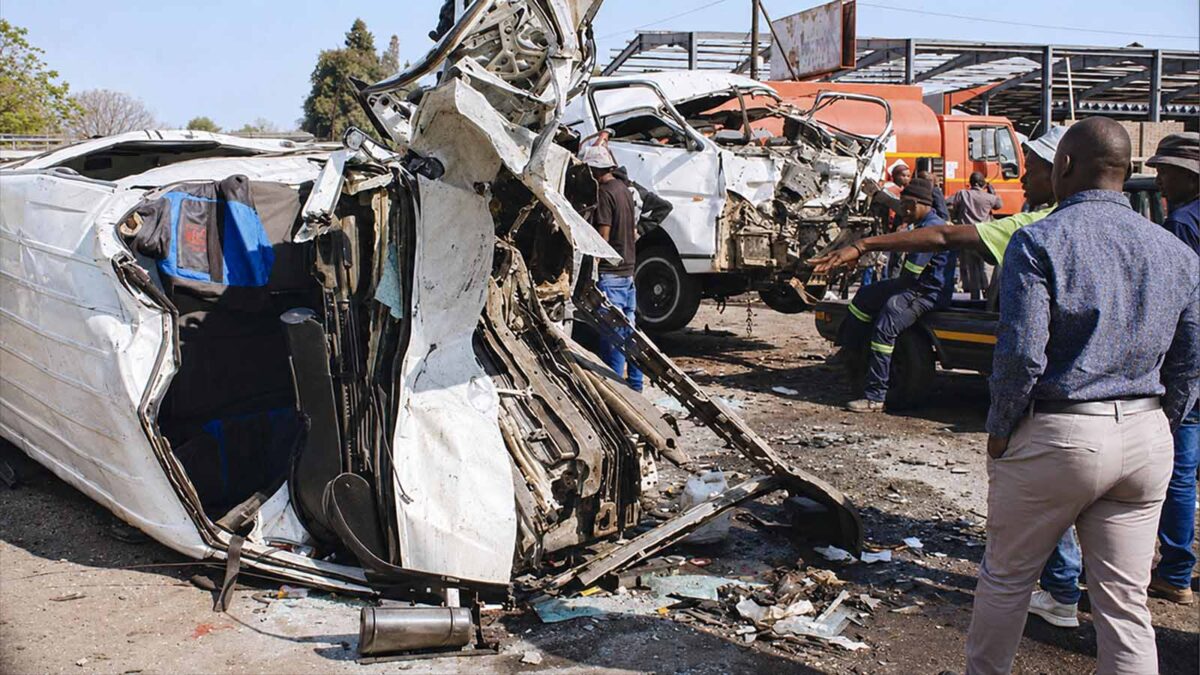
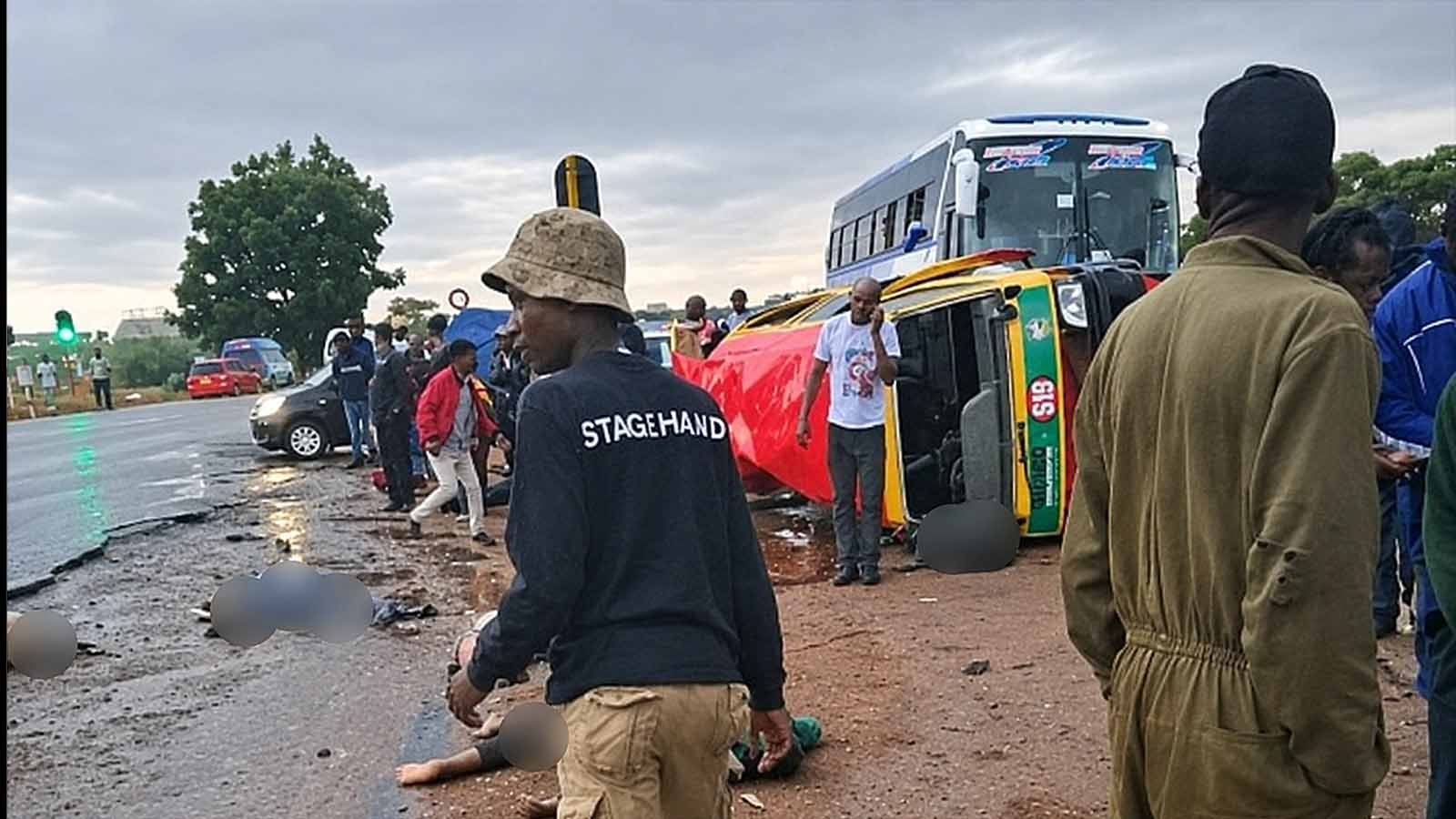
On October 31, 2024, a commuter omnibus collided with a fuel tanker at the Kuwadzana 7 turnoff, at the intersection of First Street and Bulawayo Road.
Police subsequently identified seven people who died.
Among them were adults aged just 20 and 27, lives interrupted before so many hopes could be fulfilled.
Those ages should trouble us.
Twenty is an age for beginnings.
Twenty-seven should still hold room for plans, ambitions and the patient work of building a future.
A published list of victims records names and ages; it cannot measure everything that disappeared with them.
Earlier that year, on August 13, two commuter omnibuses collided at the intersection of Seke Road and St Patrick’s Road in Hatfield.
Initial reporting, citing police, recorded two people killed at the scene and 35 seriously injured.
Thirty-five injured people means suffering extending far beyond the wreckage: hospital treatment, interrupted livelihoods, relatives becoming carers and households confronting expenses they never planned for. Survival can leave its own long sentence of pain.
These tragedies do not establish that every collision has the same cause, or that cameras alone could have prevented them.
They establish something more fundamental: decisions made at intersections can have irreversible consequences.
I write with an understanding of how complicated those decisions can become.
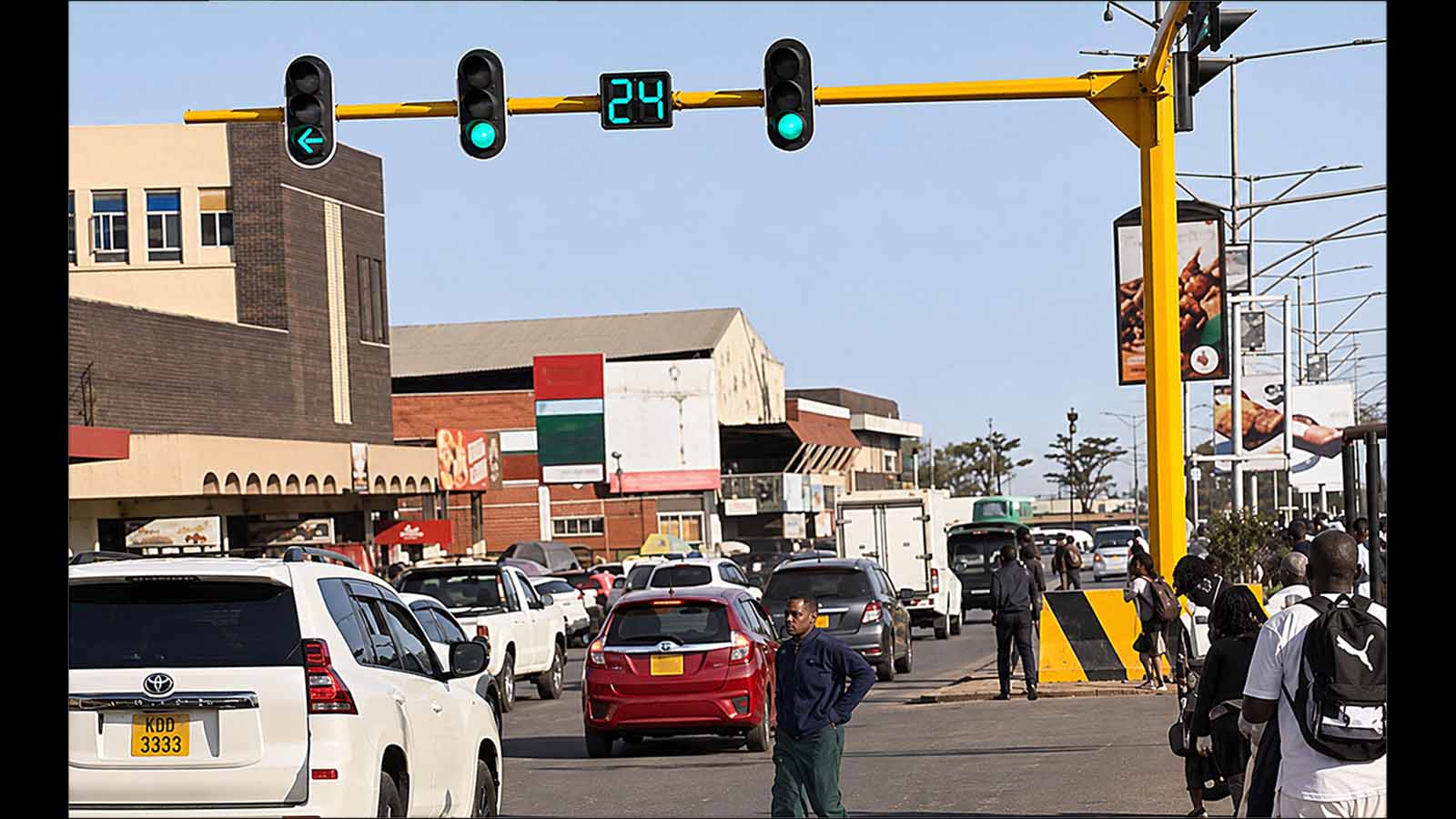
Recently, I paid a fine after a kombi cut in front of me, forcing me to change lanes at an intersection controlled by traffic lights.
I was trying to avoid an accident. The experience was frustrating, particularly because another driver’s conduct had created the danger.
Many careful motorists will recognise that predicament.
Sometimes the person captured making an irregular movement is also the person struggling to escape somebody else’s recklessness.
That is why firm enforcement must include fair scrutiny.
Motorists should be able to view evidence, explain an emergency and challenge an incorrect penalty.
A system earns respect when it distinguishes deliberate misconduct from circumstances deserving review.
But reviewing an individual case is different from cancelling everybody’s fines.
A blanket amnesty would risk teaching a familiar and damaging lesson: Consequences last only until enough people complain.
It would weaken the position of motorists who have paid, adjusted their behaviour and accepted that public safety requires personal restraint.
For too long, enforcement appeared inconsistent and open to negotiation. That uncertainty encouraged a culture in which some drivers calculated the likelihood of being stopped rather than the danger of what they were doing.
The STMS offers a means of recording offences beyond the presence of an officer at a junction.
Its value must ultimately be measured in safer behaviour and fewer casualties.
The authorities have responsibilities, too.
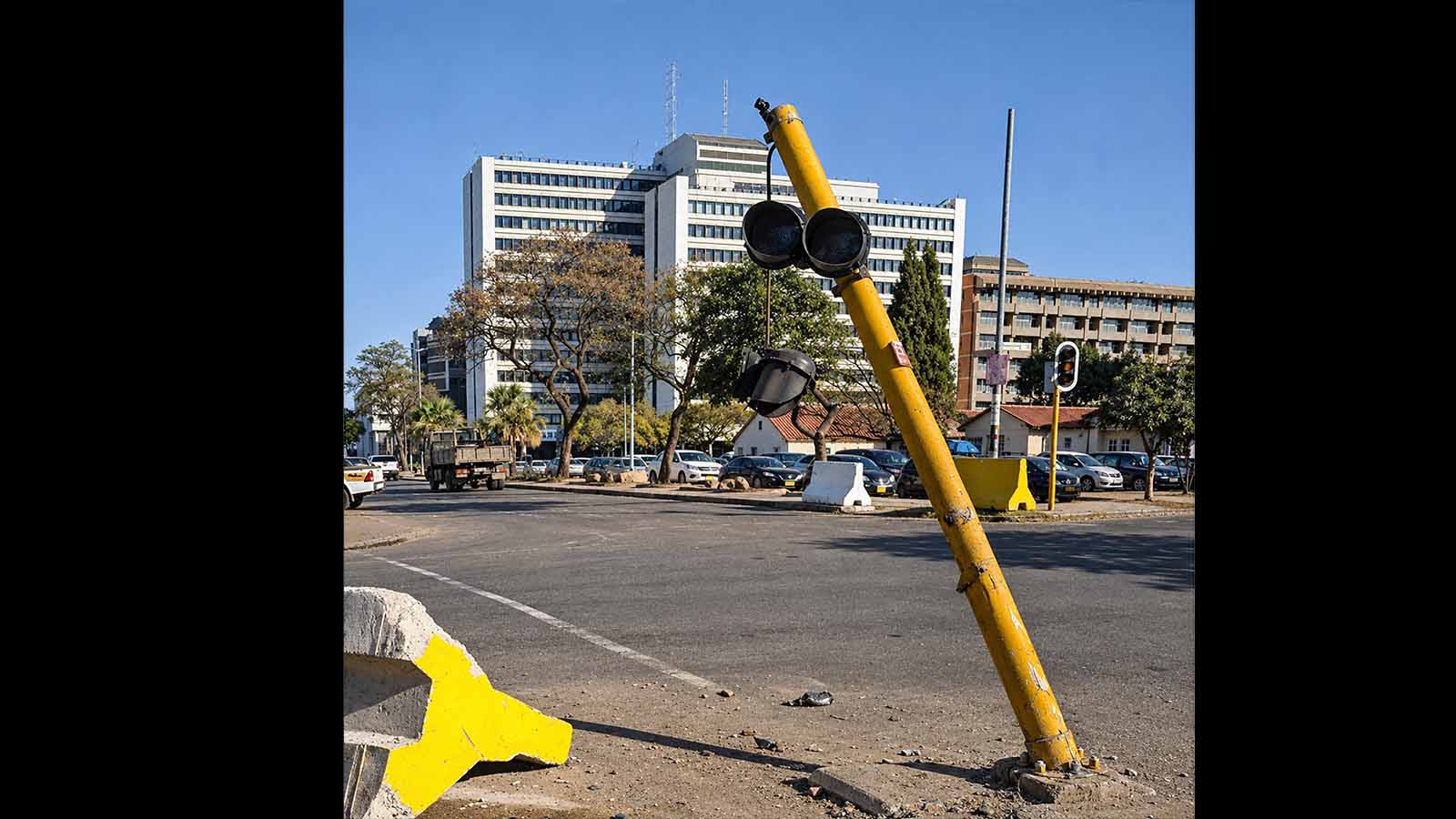
Traffic lights must work, preferably the countdown type. Road markings must be visible. Signs must be clear.
Reported faults must receive attention.
Enforcement must apply fairly, including to public officials and those who believe their position places them above ordinary motorists.
Public confidence requires accountability on both sides of the windscreen.
Where hardship is genuine, the authorities should consider practical payment arrangements.
Compassion can help a struggling household meet a valid obligation while preserving the principle that dangerous conduct carries consequences.
Because the deepest hardship belongs to families living with an absence no payment can repair.
It is the empty place at supper. The school event a parent will never attend. The familiar footsteps that will never again sound at the gate.
It is a survivor learning to walk again while the world assumes the accident is over.
Every journey carries someone who is loved, someone expected home, someone whose absence would leave a lasting wound.
We owe those families more than brief outrage after another collision.
We owe them roads where patience is expected, pedestrians are protected and a red light commands obedience.
Valid penalties must be upheld, disputed cases heard fairly and dangerous roads repaired.
A second chance should mean returning home safely, then allowing others the same mercy.
Discipline is the second chance.
Rungano W. Gwanzura is the Head of Editorial Production and Design at Zimpapers.