Online Reporter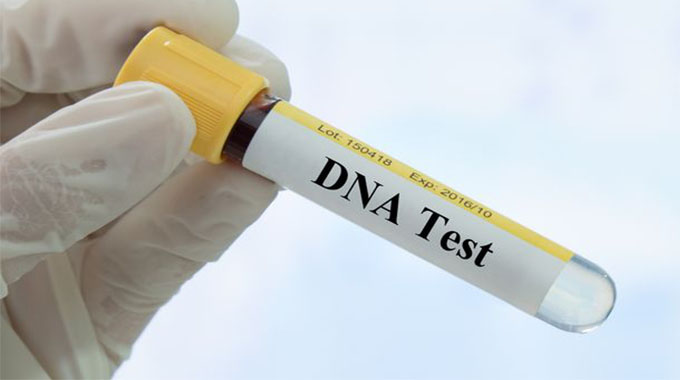
Tressy Muzopa
Correspondent
The discovery of a double helix in a family’s history can feel like an earthquake, shattering the foundation of established relationships and identities. Before the DNA test results arrived, 58-year-old Mr. Chigwendere learned his 26-year-old son, Tendai, was not his biological child after intercepting his wife’s cellphone messages. This revelation, a scenario increasingly common across Zimbabwe, not only fractured Mr. Chigwendere’s sense of family but also shattered Tendai’s entire sense of identity, ancestral connection, and place in his community.
What was once the domain of medical diagnostics and forensic science has, with the advent of affordable and accessible Direct-to-Consumer (DTC) genetic testing, moved into the heart of the family. This accessibility has ignited a volatile psychological cascade worldwide, triggering emotional dysregulation and identity disruption.
The Genetic Pandora’s Box
Deoxyribonucleic acid (DNA) is the hereditary material carrying the genetic instructions for life. The journey of genetic testing has rapidly moved through three dimensions:
- Medical Genetics: Focused on diagnosing inherited disorders in controlled clinical environments.
- Forensic Science: Used for legal purposes in criminal investigations and court-ordered paternity disputes.
- Direct-to-Consumer (DTC) Testing: Companies like 23andMe and local centers like Tinashe Mugabe’s Global DNA testing center have democratized access. This shift has made the discovery of non-paternity events (NPEs), undisclosed adoptions, or misattributed parentage as simple as a cheek swab, often initiated without the knowledge or consent of all affected parties.
This consumer-driven genetic exploration fundamentally disrupts traditional notions of family secrecy and identity, creating profound disequilibrium in family homeostasis.
A World of Uncertainty: The Statistics
Globally, the impact is immense. As of 2023, over 30 million people have used DTC genetic tests. Studies consistently show that 1–2% of DTC users uncover unexpected parent-child relationships like non-paternity events (NPEs) or undisclosed adoptions. More commonly, millions discover unknown half-siblings or cousins.
The psychological impact of these statistics is profound, extending beyond immediate emotional reactions to long-term identity formation processes, as foundational family relationships are called into question.
The Southern African Crucible
The Southern African context shows a rapidly growing demand, particularly for paternity testing, driven by high-stakes needs like establishing legal paternity for child support, resolving inheritance disputes in patrilineal and matrilineal cultures, and addressing suspicions from relationship instability.
Major South African laboratories report notably high exclusion rates proving non-paternity at 20-30% in legally mandated cases, significantly exceeding global averages.
Zimbabwe: A Case Study in Lineage
Within Southern Africa, Zimbabwe presents an acute case centered on paternity verification. Cultural imperatives place immense weight on lineage (“dzinza”) and clan identity (“mutupo”), making biological paternity crucial for identity, inheritance under customary law, and ancestral rituals.
The statistics here are stark: localized studies and lab reports indicate exclusion rates in paternity tests reaching 40-50% in specific cohorts like maintenance dispute cases, with one Harare study reporting 38%. These exceptionally high figures underscore a severe disconnect between social assumptions of paternity and biological reality. In a collectivist society where identity is interwoven with family and clan, these disruptions create particularly profound identity crises and psychological distress.
Science Clashes with Spirit: Cultural and Spiritual Dimensions
In Zimbabwe, DNA testing acts as an existential and spiritual earthquake, colliding catastrophically with core cultural beliefs.
- Shattered Identity and Belonging: It severs the intrinsic link between the individual, their lineage (“dzinza”), and clan totem (“mutupo”), leaving them spiritually adrift and questioning their place in the world.
- Ancestral Crisis: It invalidates rituals based on assumed lineage, creating dilemmas about which ancestors to honor, and risks invoking ancestral vengeance (“Ngozi”).
- Stigma and Shame: The revelation ignites intense stigma and shame within cultures valuing family honor (“tsika”), stigmatizing mothers, labeling children as “illegitimate,” and humiliating social fathers.
- Undermining Social Fatherhood: Ultimately, DNA testing privileges biological truth over the vital African concept of social fatherhood, devaluing the emotional and practical investment of the man who raised the child and undermining culturally essential kinship structures.
This disruption to culturally embedded belief systems can trigger cultural bereavement—a profound grief response to the loss of cultural continuity and belonging.
Shattering the Foundation: Impact on Family Dynamics
DNA revelations fundamentally fracture family systems through cascading relational and identity crises.
- Erosion of Trust: Perceived deception shatters the foundational bedrock of family security, triggering widespread relationship ruptures across parent-child bonds, couple partnerships (often leading to separation due to infidelity), and extended kinship networks.
- Profound Identity Crisis: Individuals confront disrupted life narratives, destabilized self-concept (“Who am I?”), and acute belonging uncertainty, often feeling alienated from both their social and biological families.
- Systemic Trauma: The emotional whirlwind of shock, grief, rage, shame, and persistent anxiety often reflects complex trauma responses. The situation aligns with the concept of ambiguous loss, where a father is simultaneously present and absent in terms of biological connection.
Bearing the Brunt: Who is Most Affected?
While the entire family suffers, certain individuals are particularly vulnerable to the psychological impact:
- Children/Minors: They emerge as primary victims, experiencing profound attachment disruption that shatters their foundational security, leading to identity confusion and vulnerability to stigma.
- Social Fathers: They undergo an existential crisis as their paternal identity is deconstructed, generating intense grief for the lost connection, coupled with rage and potential emotional withdrawal. This is a form of psychological disenfranchisement.
- Mothers: They typically bear disproportionate shame-based trauma, facing societal condemnation and internalized guilt, while simultaneously fearing the loss of both partner and the child’s social father.
- Adults Discovering Late-Life Misattributed Parentage: They endure a foundational narrative disruption, where decades of established identity collapse under the weight of betrayal.
Across all roles, the revelation creates a systemic trauma network where individual psychological distress is mutually reinforced.
The Psychologist’s Role: Navigating the Genetic Minefield
Psychologists serve as essential navigators in this turmoil, employing a structured yet holistic approach.
- Trauma-Informed Assessment: Diagnosing acute stress reactions, PTSD, depression, or anxiety, while crucially incorporating cultural formulation to understand how lineage, ancestral beliefs, and stigma shape distress.
- Therapeutic Space: Providing a non-judgmental space for clients to safely express conflicting emotions like rage, grief, and shame, validating these as normal responses to traumatic events.
- Evidence-Based Interventions:
- Individual Therapy: Facilitating identity reconstruction, processing grief through modalities such as
Trauma-Focused Cognitive Behavioral Therapy (TF-CBT) and Eye Movement Desensitization and Reprocessing (EMDR), and dismantling shame.
o Family Therapy: Creating structured communication frameworks to rebuild trust, redefine relationships, and co-create an honest family narrative. Emotionally Focused Therapy (EFT) specifically helps repair attachment bonds.
o Narrative Therapy: Powerfully externalizes the “problem” and helps clients co-create new narratives that incorporate truth while honoring resilience and existing bonds.
- Culturally Sensitive Intervention: Integrating ancestral beliefs, collaborating with traditional healers (Sangoma), developing stigma-coping strategies, and employing culturally relevant healing rituals, often informed by Ubuntu-informed therapy.
This integrated approach transforms psychological crisis into pathways for resilience, identity integration, and relational healing.
Pathways to Healing: The Journey
Healing from DNA revelation trauma is a complex, often lengthy, and non-linear journey. The process unfolds progressively through stages:
- Crisis Stabilization: Providing safety, risk assessment, and psychoeducation.
- Acknowledgment and Grief: Validating anger and betrayal, and mourning losses.
- Meaning-Making and Integration: Challenging narratives and reconstructing a cohesive identity.
- Relationship Redefinition: Negotiating new family dynamics and rebuilding trust.
- Acceptance and Moving Forward: Living constructively within the new reality and deepening chosen relationships.
For many, this journey culminates in post-traumatic growth, fostering resilience, authentic relationships, and a nuanced understanding of family identity.
Navigating the New Genetic Frontier
The accessibility of DNA testing has irrevocably altered the landscape of family life, but its power to unearth hidden biological truths carries an immense psychological cost, especially where it collides with deeply held cultural and spiritual beliefs. The challenge for modern families is to honor the truth revealed by science while nurturing the fragile, resilient, and profoundly human connections that truly define family.
While the DNA double helix may reveal unexpected biological connections, the true essence of family—love, commitment, shared history, and chosen bonds—often lies in the social and emotional realm.
If you or your family are grappling with the psychological impact of DNA testing revelations, professional support can provide the guidance, tools, and safe space needed to navigate these complex emotions. Reaching out to a mental health professional with experience in family trauma and cultural sensitivity can be the beginning of a transformative path toward healing and integration.
Tressy Muzopa is a registered Family Therapist and Intern Counselling Psychologist