Tapson Ndou, [email protected]
Culture is more than music, dance, traditional attire, and food. It is the story of a people, preserved through language, customs, beliefs, family histories, sacred places, traditional leadership, and the knowledge passed from one generation to another.
In Beitbridge District, that story is told in many voices. The district is home to communities with diverse cultural identities, including Tshivenda, Sesotho, Shangani and Vhalemba traditions. This diversity has made Beitbridge a unique cultural space where different communities continue to preserve their identities while living and interacting alongside one another.
As Zimbabwe prepares to celebrate and promote its cultural heritage, Beitbridge is positioning itself as an important destination for cultural preservation and tourism.
The district is leveraging festivals, family initiatives, archaeological work and community leadership to ensure that heritage is not only remembered, but also used to drive development.
One of the major events expected to put the district’s heritage in the spotlight is the inaugural Tshitaudze Heritage Festival, scheduled for 25 to 27 September at Tshitaudze Culture Village.
The three-day festival, running under the theme “Vhutambo ha Mvelele ya vhufa ha Ha Tshitaudze — Celebrating the Tshitaudze Heritage,” will celebrate Tshivenda heritage through traditional dance, poetry, storytelling, drama, fashion, traditional games and traditional food. It will also create opportunities for artists, young people and women.
According to Chief Tshitaudze, the event was created to celebrate the rich cultural heritage of the region while addressing challenges faced by local artists, including limited access to resources, market visibility, and opportunities for professional growth.
“The Tshitaudze Heritage Festival celebrates the rich cultural heritage of the region by creating a platform for local arts and culture creatives to showcase talent in dance, poetry, drama and fashion. The festival seeks to inspire, educate, and deepen appreciation of cultural identity and innovation through the fusion of traditional and contemporary artistic expression,” he said.
Beyond entertainment, the festival comes at a time when communities are increasingly recognising the importance of preserving cultural knowledge in a rapidly changing society.
Elders remain custodians of stories, traditions and values that may not always be found in written records, making cultural gatherings important spaces for intergenerational learning.
The festival therefore presents an opportunity for young people to learn about where they come from, while giving older generations a platform to pass on knowledge that could otherwise disappear.
Chief Tshitaudze said particular emphasis will be placed on empowering women and young people through mentorship, skills development and networking. Guidance and counselling sessions led by Tshivenda elders will also be held to help connect young people with cultural knowledge and traditions.
“The festival serves as both a cultural celebration and a creative-industry incubator. It will provide a platform for local talent, identify and develop emerging artists, nurture skills through mentorship and foster healthy competition that raises artistic standards,” said Chief Tshitaudze.
Organisers also expect the festival to contribute to local economic development by promoting tourism and creating opportunities for artists, designers, craft producers, food vendors and small businesses.
Chief Tshitaudze expressed confidence that the festival will become a key cultural event in the region, helping to preserve heritage while promoting sustainable development.
Away from the festival, another important cultural preservation initiative is taking shape through the Masevhe Family Cultural Heritage project.
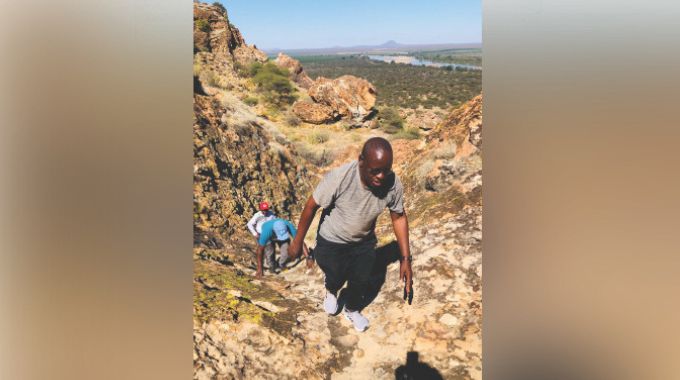
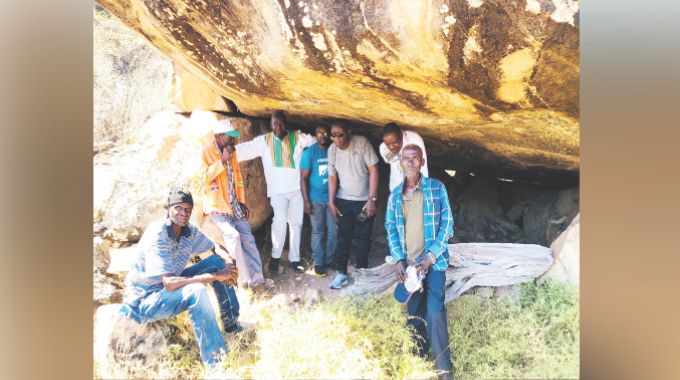
Recent fieldwork at Sindavhanyai and Homba Hills brought members of the Masevhe family together with archaeologists from Midlands State University to investigate sites associated with the family’s history.
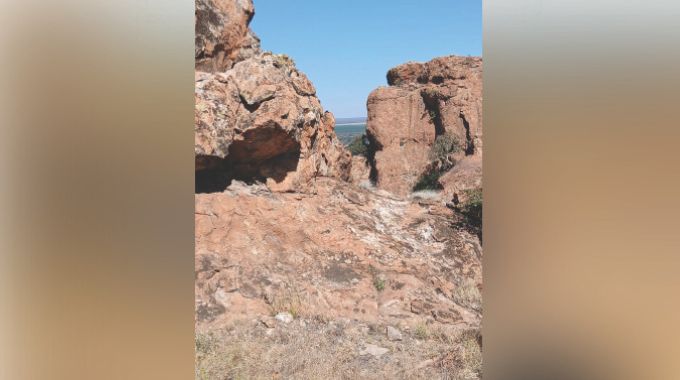
The team explored caves and examined ornaments and other archaeological materials that could provide clues about how communities lived in the area in the past.
Preliminary observations suggested that Homba Hills may have served as a place of refuge, security and defence during difficult periods. However, the archaeologists emphasised that further academic research is needed before firm conclusions can be reached.
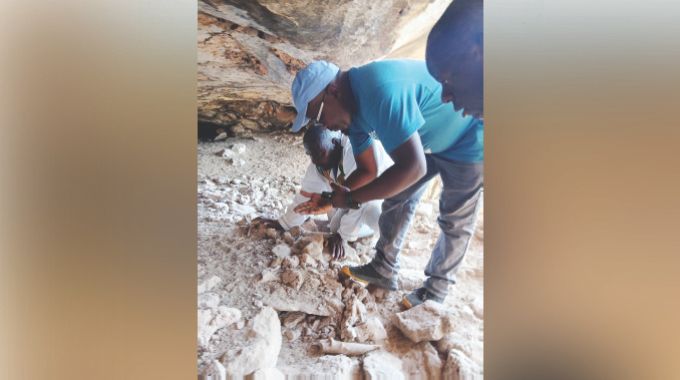
Such initiatives demonstrate that heritage is not simply about remembering the past. It can also create opportunities for education, tourism, employment and community development.
In an interview, the Masevhe family chairperson, Mr Pious Mangisi Masevhe, said, “On behalf of the Masevhe family, I would like to express our sincere appreciation for the opportunity to host our guests from Midlands State University. Their visit is a significant milestone in the preservation and promotion of the heritage of our country, our family and our community.”
He said the clan was looking forward to making a lasting impact through this initiative, with the hope of establishing a museum or heritage centre where history, culture, artefacts and traditions can be preserved and used to educate the next generation and the wider community.
“We believe that our heritage belongs to everyone, and preserving it is a responsibility that we must share. We would like to thank the Masevhe family, Midlands State University, the Government of Zimbabwe and the community at large for their support, participation and commitment to this important cause,” said Mr Masevhe.
“Together, we can preserve our history today so that future generations can understand, appreciate and proudly carry forward their heritage.”
The cultural richness of Beitbridge is also visible in communities under traditional leadership such as Chief Matibe in Beitbridge East. Cultural celebrations in these communities provide platforms for people to showcase traditional food, dress, music, dance, language and customs while strengthening community identity.
The district’s cultural diversity has previously been recognised by traditional leaders, who have highlighted the importance of developing cultural centres and promoting community-based tourism in Beitbridge.
This diversity should not be viewed as a division, but as a strength. From Tshivenda to Sesotho, Tshangana and Vhalemba traditions, Beitbridge carries a cultural mosaic that reflects generations of movement, interaction and coexistence.
Well-developed heritage sites, cultural villages and festivals can attract visitors while creating opportunities for local artists, traditional performers, designers, craft producers and small businesses. The Tshitaudze Heritage Festival organisers have identified tourism, creative industries, mentorship and skills development as important elements of the event.
For Beitbridge, this presents an opportunity to turn cultural pride into sustainable community development. Sites such as Homba Hills, Mpande Culture Village, Dulivhadzimu and other traditions across the district could become part of a wider cultural tourism story, one that attracts visitors while ensuring that local communities remain at the centre of their own heritage.
Ultimately, the preservation of culture begins with appreciation. A language spoken at home, a traditional meal prepared by an elder, a story told around a family gathering, a traditional dance performed at a festival, or an archaeological site protected from destruction can all become part of the heritage handed to the next generation.
Beitbridge has the history, the diversity and the traditions. What remains is to strengthen the efforts to document, preserve and promote them.
As the Tshitaudze Heritage Festival approaches, the district has an opportunity not only to celebrate its culture, but to also remind Zimbabwe and the wider world that Beitbridge is a place where heritage remains alive, diverse and deeply connected to the identity of its people.
In a fast-changing world, initiatives like the Tshitaudze Festival and the Masevhe family project show that culture can be both an anchor to the past and a bridge to the future. By investing in heritage today, Beitbridge is ensuring that tomorrow’s generation will know who they are, where they come from, and the value of the community they belong to.