Online Reporter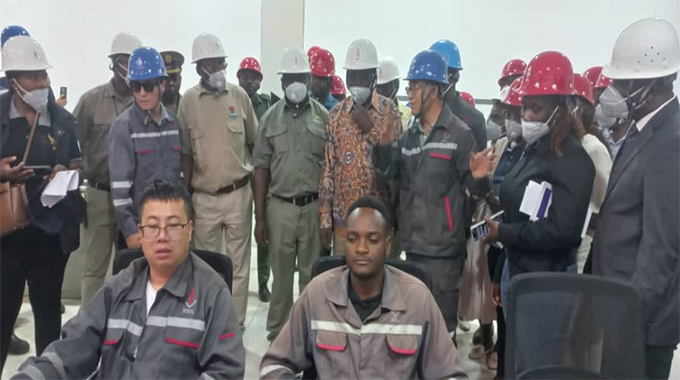
Thupeyo Muleya, Beitbridge Bureau
A NEW era of rural transformation is unfolding in Beitbridge, where the Government, in partnership with Xintai Resources, a Chinese mining firm, is developing a multi-million-dollar industrial park approximately 20km west of the border town.
The project, widely known as the Palm River Energy and Metallurgical Special Economic Zone, is already reshaping the rural landscape, with the first phase of the 12-year initiative now complete.
This energy and steelworks venture has already created 110 jobs, with 870 of those positions filled by locals from communities across Beitbridge District.
The establishment of the park as an integrated mining and energy hub follows high-level discussions between Palm River Energy chairman Mr Xong Xi Dong and President Mnangagwa.
Once fully operational, the park will span 5 100 hectares within a designated Special Economic Zone, and is expected to make significant contributions to Zimbabwe’s mining and energy sectors.
The first phase is being implemented through a joint venture involving the Government, Xintai Resources, and Tuli Coal.
The industrial park will include a coking plant capable of producing one million tonnes of coke annually, a ferro-chrome smelting plant with an output of 100 000 tonnes of high-carbon ferro-chrome, and a 1 200MW coal-fired thermal power plant.
Surplus electricity generated will be fed into the national grid, while the ferro-chrome plant will support the production of special and stainless steel as well as castings.
Coal for the project is sourced from Tuli Coal Mine, with plans underway to export coal products to international markets — an initiative expected to generate substantial foreign currency earnings.
The mining sector’s role in Zimbabwe’s economy is pivotal, accounting for over 60 percent of export receipts, attracting more than 50 percent of foreign direct investment (FDI), and contributing 13 percent to the national GDP.
It also stimulates downstream business opportunities and generates tax revenue for the Government.
The Palm River project is designed to bridge the rural-urban divide by investing in critical infrastructure such as roads, schools, clinics, bridges, and related industries. It enhances access to essential services in rural areas and is expected to unlock new economic opportunities, create jobs, and improve the quality of life for rural residents.
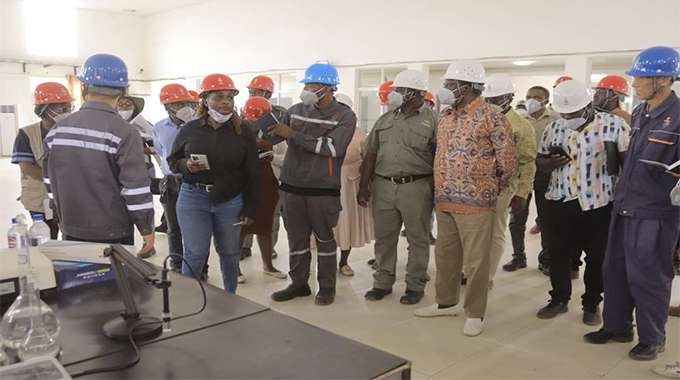
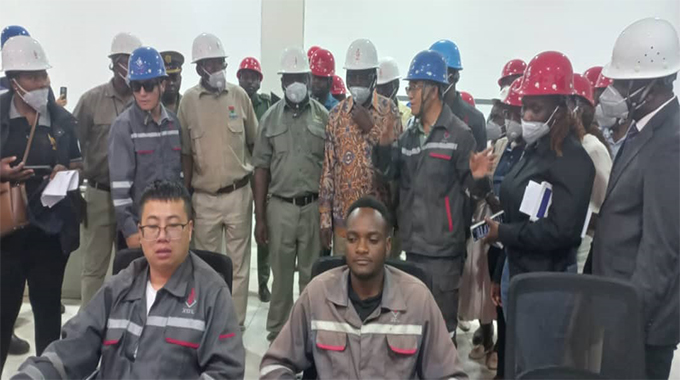
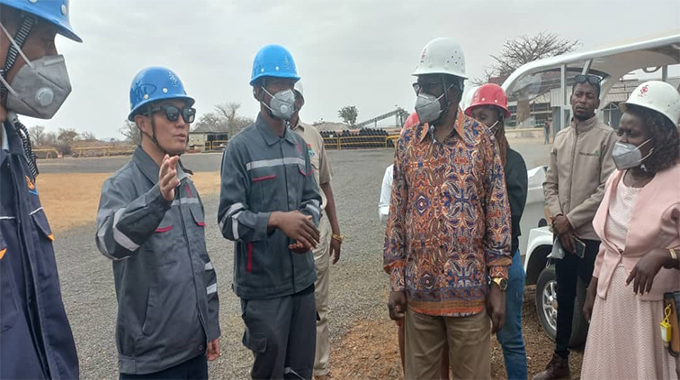
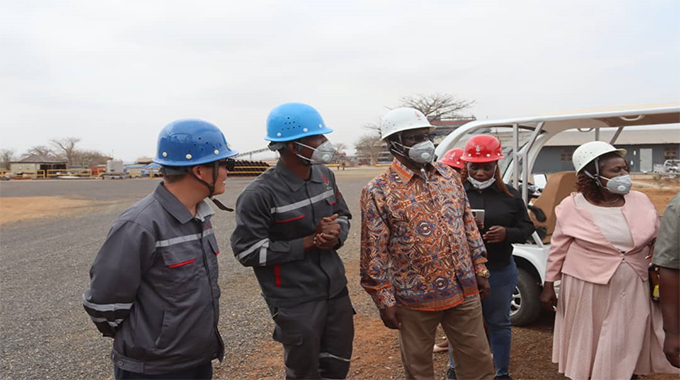
During a field visit to the SEZ site, Dr Jorum Gumbo, Special Advisor to the President on Monitoring Implementation of Government Projects, said the initiative was born out of the Government’s engagement and re-engagement policy.
“Zimbabwe is on the right path to industrialisation, with more strategic investors gaining confidence in the Government’s national development trajectory, supported by robust re-engagement and engagement policies,” said Gumbo.
“This project is a testament to how the Second Republic has worked tirelessly to restore investor confidence. It is encouraging to see the country attracting more investment in infrastructure, mining, ICT, utilities, and energy from both new and established strategic partners.”
Gumbo emphasised the importance of industrial development and value addition in driving economic growth. He described the Palm River SEZ as a visionary initiative aimed at propelling Zimbabwe’s industrialisation and rural transformation.
“By harnessing abundant natural resources, particularly coal, this project will establish a diversified industrial hub — creating jobs, attracting investment, boosting export capacity, and fostering sustainable development.
“The focus on low carbon and environmental protection is also commendable, with plans to recycle energy and reduce waste. It is a model of a circular economy and low-carbon production,” he said.
Matabeleland South Minister of State for Provincial Affairs and Devolution, Albert Nguluvhe, noted that the facility includes modern infrastructure, such as commercial offices and logistics hubs, and is expected to create 10 000 direct jobs, offering employment to local communities and strengthening Zimbabwe’s skilled workforce through specialised training programmes.
Bai Xudong, Deputy CEO of Xintai Resources, added that the project has already supported 2 000 interns from the Harare Institute of Technology (HIT) through a robust skills transfer programme, with many others receiving sponsorships to study civil engineering and related disciplines.



 Bongani Ndlovu