Online Reporter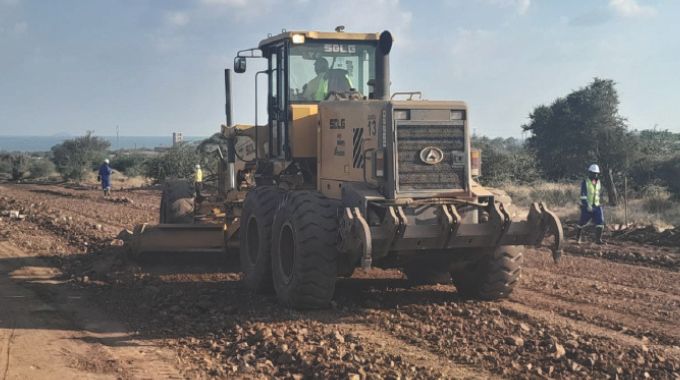
Thupeyo Muleya, [email protected]
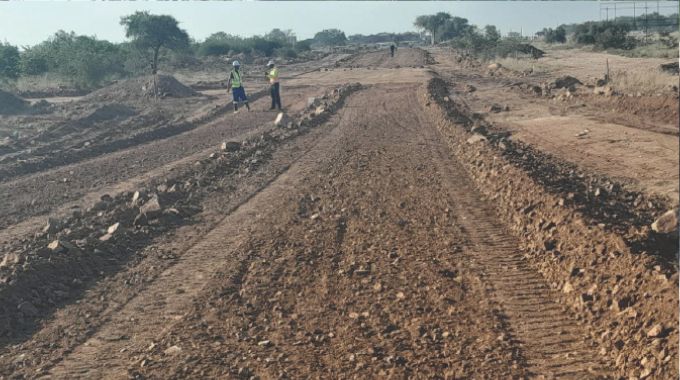
BULLDOZERS have rolled in along the Bulawayo Road, between Engen Service Station and the Beitbridge Redevelopment Houses. Their arrival marks more than just construction activity, it signals the beginning of a major shift for the border town.
Work on Beitbridge’s long-awaited Central Business District (CBD) is now officially underway. For many residents, this is a sign of progress and hope. However, as the project gathers pace, a critical question is emerging: is the town ready to manage this growth properly?
For years, Beitbridge has expanded rapidly. Its population has grown, and new infrastructure has been developed. Yet, basic services like water, sewer systems and electricity have struggled to keep up. Now, with this new CBD moving from concept to reality, the pressure on the town’s systems is set to intensify.
Many planners, officials and residents agree that the moment has come for proper zoning systems — something they say is long overdue.
The new CBD is expected to transform Beitbridge’s skyline. Plans point to modern retail shops, office spaces and high-density commercial buildings. It is meant to be a centre of business activity that can attract investors and boost the local economy.
However, its location raises concerns.
The development sits in an area that is already mixed and congested. Residential homes stand alongside lodges, industrial sites, private schools, bars and shops. Without clear zoning rules, experts warn that this mix could worsen existing problems.
Rural and Urban Planning expert Dr Percy Toriro explained why zoning is so important.
“Zoning is done to separate uses so that incompatible uses are not located adjacent to each other. In town planning, care is taken to harmonise uses so that settlements are liveable and nuisances are minimised,” said Rural and Urban Planning Expert Dr Percy Toriro in a recent interview.
He added that changes in land use must follow proper procedures.
“There may arise a need to change uses and introduce uses that were not available in an area. This process follows a very clearly laid-down procedure which includes seeking the consent of both the neighbours as well as the planning authorities.
“If all this is followed and relevant technical assessments for suitability and availability of parking and other infrastructure needs are done diligently, only acceptable critically-needed conversions take place.”
At present, however, such procedures are not always being followed.
Across Beitbridge, many residential properties are being turned into businesses with little oversight. Homes are being converted into private schools, crèches and shops, often without proper planning approval.
The district already has over 75 registered primary schools and 18 secondary schools. Despite this, more than 20 unregistered private schools are believed to be operating within the town itself.
This has created challenges for pupils, some of whom have faced difficulties registering for public examinations.
But the impact goes beyond education.
Mr Nqobile Ncube, an infrastructure development enthusiast from Vhembe View suburb, said these conversions are placing a heavy burden on existing services.
“When you convert a house into a school, you expand demand from services for 10 people to services for 400 pupils. We are draining more than the design allows, hence increased sewer bursts and power outages. Zoning will provide clarity, certainty and build investor confidence,” he said.
In simple terms, infrastructure that was designed for small households is now being forced to support large numbers of people. This mismatch is leading to service breakdowns that affect the whole community.
In response to growing concerns about unregulated development, central Government has intervened.
Minister of Local Government and Public Works, Daniel Garwe, recently announced a 90-day moratorium under Section 69 of the Regional, Town and Country Planning Act. This move prevents local authorities from approving any changes in land use during that period.
The ban comes amid worries about uncontrolled development, especially on sensitive land such as greenways, as well as the rapid growth of private schools and crèches in residential areas.
Beitbridge Municipality has already begun to comply.
Earlier this year, the council worked together with the Ministry of Primary and Secondary Education to shut down illegal schools operating in residential neighbourhoods.
At a recent full council meeting, Beitbridge Town Clerk Mr Loud Ramakgapola shared updates on the development.
“A meeting has been held between council management and the contractor to finalise the project’s details. Under this development model, the contractor will fund the servicing of the area and will charge clients intending to invest in the new CBD.
“This project aligns with our vision as a local authority to transform Beitbridge town which emphasises the importance of infrastructure development and attracting investors,” said Mr Ramakgapola.
According to Mr Ramakgapola, investors will be required to follow a densification model. This means buildings in the CBD should be at least four storeys high, helping to maximise land use in a planned and efficient way.
He said the project is expected to create jobs, improve infrastructure and strengthen the town’s business environment.
“This development is part of the municipality’s efforts to promote economic growth and improve service delivery to citizens.”
Residents are also expected to benefit through better access to modern business facilities and new employment opportunities.
“This is a very important project to us as a local authority and hence we want to ensure it takes off as soon as possible,” said Mr Ramakgapola.
The CBD is not the only project in the pipeline.
The municipality is also focusing on improving the Dulivhadzimu area, particularly the bus terminus, which has been under pressure due to growing demand.
“As we walk the road to modernisation, we also intend to hire an engineering consultancy company to carry out a feasibility study in the Dulivhadzimu rank area which is prone to flooding. This is part of our urban renewal plan in that area,” Mr Ramakgapola said.
Efforts are underway to speed up construction of a modern long-distance bus terminus, although progress has slowed due to equipment breakdowns.
“We are working on speeding up work at the Long distance Dulivhadzimu bus terminus where work had slowed due to a fault on our equipment. You will note that as of August handled a total of 11, 600 buses. So, it’s compelling for us to urgently complete this project to make our rank attractive,” he emphasised.
Despite these ambitious plans, the municipality faces serious financial constraints.
Revenue collection is at just 21 percent of the target, a situation that is affecting service delivery.
Mr Ramakgapola said the council is engaging with debtors and may even use debt collectors to improve collections.
Without adequate funding, maintaining infrastructure and supporting new developments becomes even more difficult.
Environmental experts have also raised red flags over unplanned development.
Environmental Management Agency (EMA) publicity manager Ms Amkela Sidange warned that unchecked land use changes are affecting sensitive natural areas.
“Let the conversions not interfere with ecologically sensitive areas. Restricting development according to zoned land use system will help protect natural resources and promote sustainable development,” Ms Sidange said.
She pointed to the rapid increase in fuel stations as another concern, noting that each new site increases the risk of pollution if not properly regulated.
Beitbridge now has an estimated population of 100 000 people and more than 17 000 properties. New suburbs continue to grow on both the eastern and western sides of the town.
The new CBD is expected to attract even more investment and development. But many stakeholders believe this growth must be carefully managed.
They argue that now — during the construction phase — is the best time to put firm zoning systems in place.
Clear rules would help separate industrial sites from schools, businesses from homes, and protect wetlands and other sensitive areas.
If done properly, zoning could help Beitbridge avoid the mistakes of the past and build a more organised, efficient town.
The CBD project represents more than new infrastructure. It is an opportunity to reshape Beitbridge’s future.
If supported by proper planning, investment and enforcement of zoning regulations, the development could improve living standards, create jobs and strengthen the local economy.
But without those safeguards, there is a risk that rapid growth could deepen existing problems.
For now, the bulldozers continue their work — laying down the first visible signs of change. Whether that change leads to a modern, well-planned town or further strain on services will depend on the decisions made today.