

 admin
admin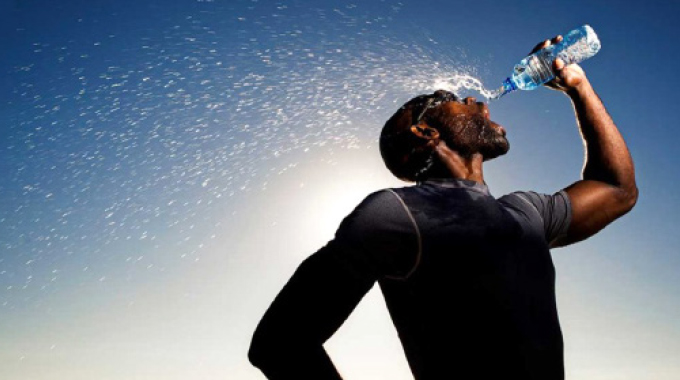
Coach Ngoni (Foreign Guy)
Fitness Correspondent
Water is life.
Staying hydrated during gym sessions is crucial. Here’s why:
Benefits of drinking water at the gym:
Performance enhancement: Proper hydration improves physical performance, strength, and endurance.
Injury prevention: Dehydration can lead to muscle cramps, strains, and joint issues.
Thermoregulation: Water helps regulate body temperature, reducing the risk of heat-related illnesses.
Recovery: Hydration aids in post-workout recovery, reducing muscle soreness and fatigue.
Weight management: Drinking water can support weight loss efforts.
How much water should you drink at the gym?
Aim for 17-20 ounces (about 500-600 ml) 30 minutes before exercise.
Drink 7-10 ounces (about 200-300 ml) every 10-15 minutes during exercise.
Monitor urine colour: Aim for pale yellow or clear.
Signs of dehydration:
Fatigue
Headaches
Dizziness
Muscle cramps
Dark urine
Tips:
Bring a refillable water bottle.
Set reminders to drink water.
Choose water-rich beverages (eg, coconut water, sports drinks).
Avoid sugary drinks.
Gym-specific hydration strategies:
High-intensity workouts: Drink more frequently.
Long workouts: Consume electrolyte-rich beverages.
Hot environments: Increase water intake.
The ideal temperature of water to drink at the gym depends on various factors, including your personal preference, exercise intensity, and climate.
Cold Water (40°F – 50°F / 4°C – 10°C)
Benefits:
Better hydration: Cold water absorbs faster.
Improved performance: Cold water can increase alertness.
Reduced inflammation: Cold water may help reduce muscle inflammation.
Considerations:
Digestive discomfort: Cold water may cause stomach cramps.
Reduced blood flow: Cold water may constrict blood vessels.
Hot Water (90°F – 100°F / 32°C – 38°C) benefits:
Relaxation: Hot water may help relax muscles.
Digestion: Hot water can aid digestion.
Detoxification: Hot water may help flush toxins.
Considerations:
Reduced hydration: Hot water may not absorb as quickly.
Heat stress: Hot water may exacerbate heat-related issues.
Room Temperature Water (70°F – 80°F / 21°C – 27°C)
Benefits:
Balanced hydration: Room temperature water absorbs well.
Neutral digestive effects.
Suitable for most exercises.
Recommendations
High-intensity workouts: Cold water.
Low-intensity workouts: Room temperature water.
Post-workout: Room temperature or warm water for relaxation.
Cold climate: Warm or room temperature water.
Hot climate: Cold water.
Water plays a crucial role in maintaining various bodily functions. Here’s a comprehensive overview:
Physical Functions:
Hydration: Maintains fluid balance, regulating body temperature.
Digestion: Aids in nutrient absorption, waste removal, and bowel function.
Circulation: Helps blood flow, transporting oxygen and nutrients.
Muscle Function: Supports muscle contraction, relaxation, and flexibility.
Joint Health: Lubricates joints, reducing friction and inflammation.
Biological Processes:
Cellular Functions: Regulates cell metabolism, growth, and division.
Waste Removal: Flushes toxins, waste products, and excess electrolytes.
Hormone Regulation: Supports hormone balance and function.
Skin Health: Maintains skin elasticity, hydration, and texture.
Cognitive and Emotional Benefits:
Brain Function: Supports focus, concentration, and memory.
Mood Regulation: Helps regulate emotions, reducing stress and anxiety.
Energy Levels: Maintains energy production, reducing fatigue.
Health Benefits:
Weight Management: Supports weight loss, maintenance.
Blood Pressure Regulation: Helps regulate blood pressure.
Kidney Function: Supports kidney health, reducing stone formation.
Immune System: Boosts immune function, reducing infection risk.
Dehydration Consequences:
Fatigue, weakness
Headaches, migraines
Digestive issues (constipation, diarrhoea)
Skin problems (acne, dryness)
Decreased cognitive function
Coach Ngoni is from Invictus Fitness Centre in Westgate. We are excited to introduce a new gym and fitness at Madokero Mall.



 Online Reporter