Online Reporter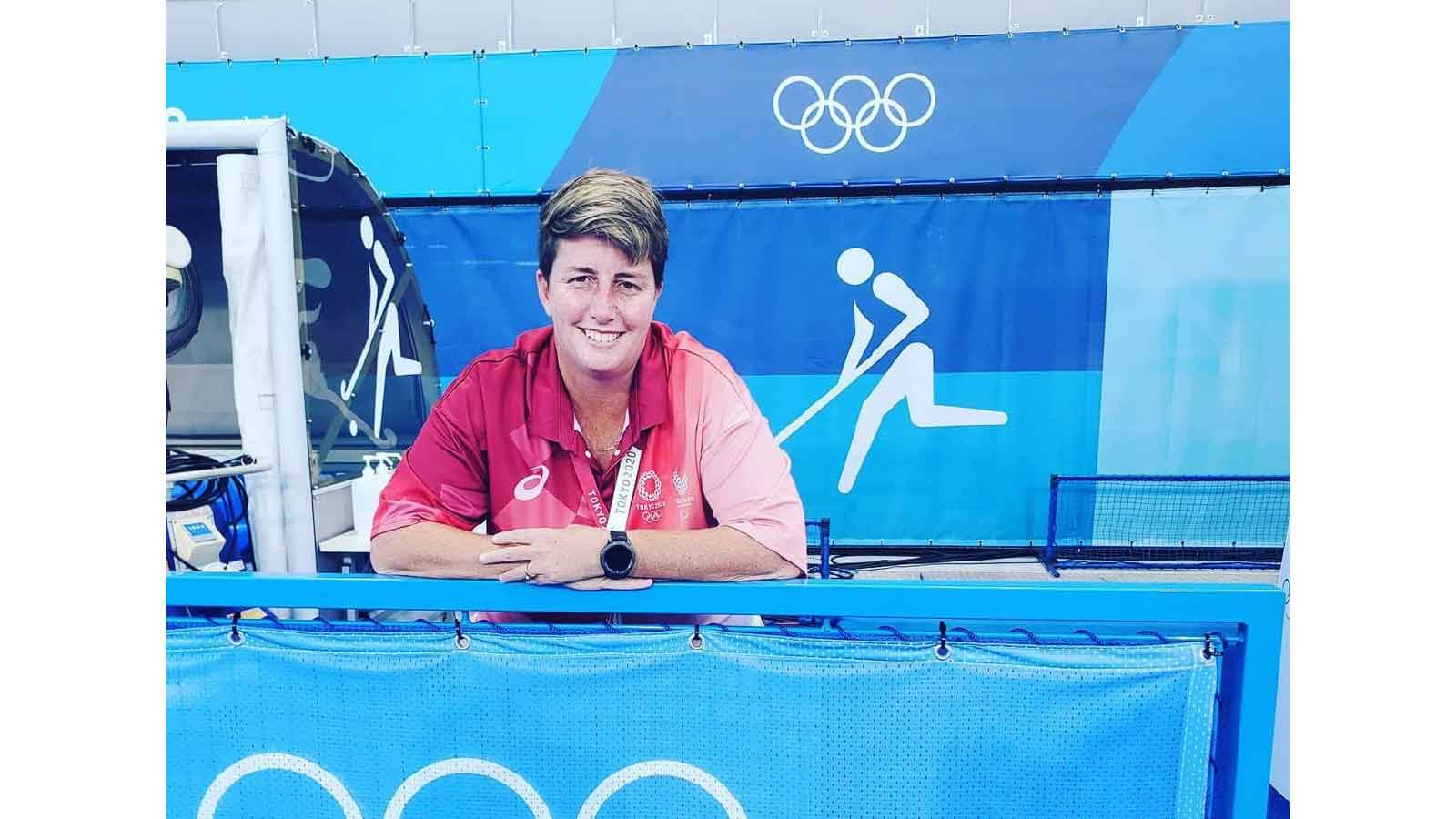
Tinashe Mukono
Zimpapers Sports Hub
ZIMBABWE HOCKEY has never quite escaped the shadow of its greatest moment.
That gold medal at the 1980 Olympics still hangs over the sport, a reminder of what once was, and what could be again.
But for Sarah Bennett, the work has never been about chasing nostalgia.
It has been about keeping the game alive long enough for another generation to have its own moment.
Few have done more of that work.
From player to official to administrator, Bennett has spent over two decades holding together a sport that has often had to survive on commitment rather than resources.
That service was recently recognised when she became the youngest recipient of the Honorary Life Member status from the Hockey Association of Zimbabwe, adding to her 2026 AWISI Women of Impact in Sports Award.
“It is a deeply humbling honour,” said Bennett.
“Having served the Hockey Association of Zimbabwe for over two decades, this recognition is less about me and more about the collective effort of so many people who have worked tirelessly for the sport.
“I feel a strong sense of gratitude and pride in what we have built together, and it reinforces my commitment to continue contributing where I can.”
Her journey into hockey started in school, rising through the age groups into the senior national teams in both field and indoor formats.
What followed was less planned, but just as important.
“From there, the transition into officiating and administration happened quite organically, as I looked for ways to remain involved and give back to the sport,” she said.
That decision has shaped Zimbabwe hockey in ways that do not always make headlines.
At a time when the sport struggled for visibility and funding, people like Bennett were the ones who kept systems running, competitions organised and pathways open for young players coming through.
Now, there are signs of life again.
Across the country, school hockey is thriving, feeding talent into national structures.
The Under-21 women’s team has qualified for the Junior World Cup six times, including the last four in a row, a sign that the foundation is not broken.
But the gap between potential and performance remains.
Financial constraints continue to choke progress.
Fundraising initiatives such as “Sponsor a Player” campaigns have become necessary, and Government intervention was needed to ensure the team travelled to Santiago, Chile, last December.
Bennett does not dress it up.
“Hockey is at a critical point,” she said. “There is clear talent and passion, particularly at junior level, but we face challenges around resources; structures; and retention, especially of officials.
“My recommendations would focus on strengthening grassroots development, investing in coaches and officials, improving governance structures and creating sustainable funding models. Without strong systems, talent alone is not enough.”
Despite having strong juniors, transition has been weak. This is why Zimbabwe’s hockey story has often stalled.
Bennett believes this is the next battle.
“The current junior success shows that the foundation is there,” she said.
“The key will be ensuring continuity as these players transition into senior hockey, supported by proper high-performance structures, exposure and resources. It is achievable, but it cannot be left to chance.”
Her own career has taken her to the highest levels of the sport, including involvement at the Olympics, offering a wider view of what Zimbabwe is missing and what it must build.
“Officiating gave me a different perspective of the game, while administration required governance, structure and long-term thinking,” she said.
It is this long-term thinking she keeps returning to.
Not just for Zimbabwe, but for the continent.
“My vision is for Zimbabwe hockey to be consistently competitive on the international stage, with strong domestic structures supporting that success. Beyond Zimbabwe, I would like to see Africa take its rightful place globally.”
There is enough talent to believe that vision is not far-fetched. Young players like Tinodiwanashe Elijah, Jorja Jones, Johan Nel and Tadiwanashe Chigumira are already pushing through, getting into the next phase of the sport. But Bennett knows talent has never been the problem.
“My message would be simple: Support the structures, respect the officials, invest in development and remain committed even when challenges arise,” she said.
“Progress takes time, but with unity and purpose, it is always possible.”
Zimbabwe hockey has lived too long on memory. Bennett is part of the group that is trying to give it a future.