


 Sundaymail Editor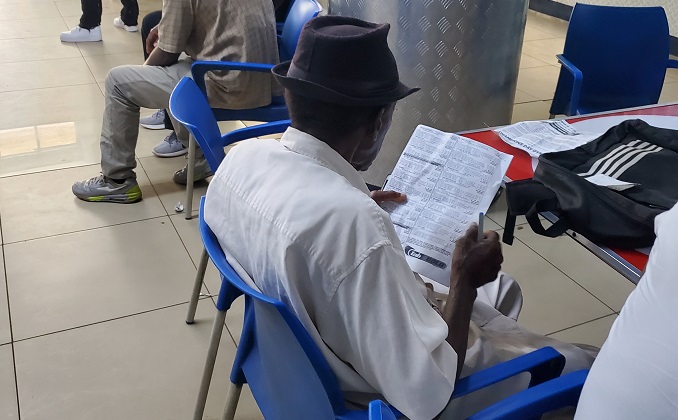
Theseus Shambare
SPORTS betting has ominously become a powerful movement across the country, with the number of punters growing daily.
Men and women of all ages can be seen trying their luck in the diverse betting shops that are sprouting in towns and cities.
Seemingly, this has become a lucrative business.
Gambling, once a mere pastime, has become a pervasive force, woven into the fabric of daily life for both the employed and unemployed.
Bets are placed on anything and everything, from football to dogs, horses, basketball and cricket.
Football is proving to be the most popular target, with the stakes moving up a notch after the introduction of the local premier league to the betting menu.
The long tradition of horse racing remains strong, though.
However, slot machines, cards, dice and roulette appear to have lost their popularity among punters, perhaps due to the higher betting fees.
Gambling, while bringing fun and fortune to some, has ended tragically for others.
Lured by the promising chances of a jackpot within the sleek interiors and neon-lit corners of newly established betting shops, many have lost their fortunes as the allure of chance takes hold.
Some have squandered cash meant for school fees or rent, and even funeral funds, enticed by unrealistic possibilities of doubling their wealth.
The temptation is everywhere, as betting shops are strategically placed in central business districts and, particularly, in high-density areas. They also maintain a strong online presence, leaving little escape.
Casualties
William Gonese, a 28-year-old shift manager at Baker’s Inn, recently became one of the casualties of this growing trend.
He was not only lured by “kandege” — a local term for the “Aviator” online multiplayer gambling game developed by Spribe — but also by the broader promise of quick riches, a promise whispered by every betting platform.
“Your Worship, my intention was not to steal, but to win more money,” he confessed before Harare magistrate Lynne Chinzou.
“I started betting with US$350 and as I kept trying my luck, I ended up spending all the US$3 420.”
Gonese not only gambled away his job but also received a 10-month custodial sentence for the offence.
His narrative, a blend of misplaced hope and financial desperation, echoes the stories whispered in the corners of every betting shop.
A couple of weeks ago, a Harare man found himself in trouble after allegedly losing his brother’s money betting on the Aviator game.
The man collapsed inside a popular betting shop after suffering the devastating loss. Eyewitnesses reported that the man had been entrusted with the funds to purchase stock for his brother’s grocery shop.
However, he chose to gamble the money in the hope of multiplying it.
When the bet failed, the gravity of his loss overwhelmed him.
A video circulating online showed patrons attempting to revive the man by fanning him.
“The man was distraught. It was clear he could not handle the shock of losing the money,” an eyewitness told The Sunday Mail Society.
Suicide
And it gets worse.
Claude Jele, the late Gweru police officer, is said to be not just an Aviator casualty, but a victim of the overwhelming pressure to secure a better life.
“Having survived all these 38 years, I have reached a point where I feel like it is all the same being on this earth or leaving,” he wrote in his suicide note.
According to one of our sister publications, Constable Jele allegedly took his own life after losing borrowed money playing Aviator. He reportedly lost a total of US$3 000, which he felt he was unable to repay, before taking his life.
Others lose smaller amounts, which are, however, significant in their lives.
Taurai (full name withheld) gave a chilling confession.
“I was tasked by my parents to pay my little sister’s school fees in January (this year). I had a total of about US$350 in cash that I was supposed to deposit into a bank account.
“When I got into town, I remembered that my friend had won close to US$500 from a small bet the previous month,” he narrated.
Unfortunately, he decided to try his luck with the fees money.
“Initially, I placed a US$20 bet and lost. I then placed a similar bet in the hope of recovering the lost money.
“I kept losing until the figure reached around US$120.
“I thank God I did not lose everything, as I managed to convince myself that I was never going to win,” he said.
Taurai’s mind started racing after the horrific loss and his lack of responsibility.
“I come from a struggling family and to be honest, I will be lying if I say I never considered committing suicide. I just did not know what to tell my parents.
“It took a lot of courage for me to admit everything to them. They were furious but later forgave me after I apologised and promised never to repeat the blunder.”
Fortunate
While some face devastating consequences, other individuals appear to manage their betting responsibly.
Aldrich Sibanda, who has won several times, believes he has the right formula for betting.
“I do not allow myself to get addicted. I bet for fun and do not consider this a form of employment or investment. But I only bet when I have extra cash on me. In the past year or so, I have won close to a thousand dollars in staggered bets.
“However, I do not allow that to turn me into a gambling prisoner,” he said.
Mabvuku-based Sekuru Ishmael Murehwa (71), who specialises in horse racing, weighed in.
“I have been betting on horses since I was a boy and working as a gardener. I have won large sums of money, part of the proceeds which I used to buy the house that I currently stay in. When I get rentals from my lodgers, a small fraction goes to betting. Here and there I am lucky,” he said.
Worry/Intervention
Concern is widespread as reports indicate that the Ministry of Home Affairs and Cultural Heritage, which oversees the Lotteries and Gaming Act and regulates the betting industry, is receiving a surge of applications for licences to establish sports betting shops.
Lotteries and Gaming Board interim secretary Dr Misheck Pachipano Chingozha noted a significant shift in the demographics of gamblers.
“To mitigate the potential harms of problem gambling, the board supervises the implementation of comprehensive responsible gaming programmes by operators. This entails putting in place stringent house rules at each gaming shop,” said Dr Chingozha.
The initiatives, he said, include know your customer (KYC) procedures, public awareness campaigns highlighting the risks of gambling addiction and enforcing strict verification systems to prevent participation by those who are under age.
“Development of house rules in each of the gaming entities; campaigns through exhibitions such as the Zimbabwe International Trade Fair, Zimbabwe Agricultural Show, Youth Day celebrations and many others; and undertaking joint operations with other stakeholders such as the police and the Financial Intelligence Unit to curb illegal gambling, which ordinarily would expose the citizenry to gambling harm, are some of the measures,” he said.
Regarding transparency, Dr Chingozha emphasised regular inspections and audits.
“Transparency and fairness are virtues ingrained in the very core of the Lotteries and Gaming Board Strategic Plan document and the Client Service Charter.
“Zimbabwe has not been regulating online gaming. However, it is pleasing to inform you that there is good progress towards embracing it in our legal framework to ensure strict adherence to consumer protection against gambling harm, money laundering, counter-financing of terrorism and revenue leakages,” he added.
The proliferation of betting shops in high-density suburbs has transformed the landscape. What were once spaces for the community and commerce are now dominated by the flashing lights and digital displays of betting outlets.
“They are everywhere now. It is like they are preying on the desperation of people who are already struggling,” said one resident from Chitungwiza.
This is an evolving phenomenon, though, as locals used to bet on cards and dice in games commonly referred to as “feja-feja” or makasa.
Dr Thandiwe Moyo, a clinical psychologist, shared her thoughts on the issue.
“The accessibility and normalisation of gambling, particularly through online platforms and the proliferation of betting shops, has led to a significant increase in gambling addiction,” argued Dr Moyo.
“The constant availability of betting opportunities, coupled with the illusion of control and the promise of quick riches, creates a highly addictive environment. The brain’s reward system is hijacked, leading to compulsive behaviour and devastating consequences.”
Dr Tendai Chari, a social psychologist, added that the core of gambling addiction lies in the dopamine rush associated with winning or even near-misses.
“This rush creates a powerful craving, leading individuals to chase that feeling, often at the expense of their relationships, finances and mental health.
“The fact that many now see betting as a job and not just entertainment is a worrying trend, especially in a nation where formal employment is a challenge.”
Reverend Dr Josias Mudenda of the Epworth Methodist Church in Zimbabwe expressed deep concern.
“The church is deeply troubled by the growing prevalence of gambling. It is tearing families apart, leading to financial ruin and destroying the moral fabric of our community.
“We must remind our people that true prosperity comes from hard work and faith, not from the fleeting illusions of chance. We see families broken, children neglected and a general sense of despair. This is not the way God intends us to live.”
Dr Nkululeko Dhewa, founder and chief executive officer of the International Wellness Centre and a clinical psychologist specialising in addictive behaviours, notes recovery from gambling addiction is a multi-faceted process.
“We typically guide individuals through several key stages: first, recognition and acceptance of the problem, which is crucial for initiating change. Then, we move into understanding the triggers and patterns that fuel the addiction.
“This is followed by developing coping mechanisms and strategies to manage urges and prevent relapse. Finally, the focus shifts to building a healthy lifestyle that supports long-term recovery, including addressing any underlying issues that may have contributed to the addiction,” said Dr Dhewa.
A study titled “Gambling in Sub-Saharan Africa: Traditional Forms and Emerging Technologies”, available through PubMed Central (PMC), provides a comprehensive overview of the gambling industry’s growth in Sub-Saharan Africa.
“In 2021, the total revenue from mobile gaming in the three largest African gambling markets (South Africa, Kenya and Nigeria) was placed in the region of half a billion United States dollars from mobile betting activities alone. This highlights the significant financial impact of mobile gambling in key Southern and Eastern African markets,” the report stated.
These stories are not isolated incidents but a reflection of a society grappling with the seductive power of gambling, a force that has infiltrated every corner of life.



 Online Reporter