Online Reporter
Mbulelo Mpofu, Zimpapers Arts and Entertainment Hub
THE peaceful sanctuary of eMthunzini weSigiya where Ndebele maidens (amatshitshi) are guided into womanhood became the stage for a powerful call to cultural inclusivity this past Sunday.
Following the recent King Mzilikazi commemorations, Nkayi’s Chief Mbusi Dakamela and his entourage visited the sanctuary to understand the work of Sigiya Ngamasiko Ethu, a non-profit organisation dedicated to preserving and reviving cultural norms, especially among young people.
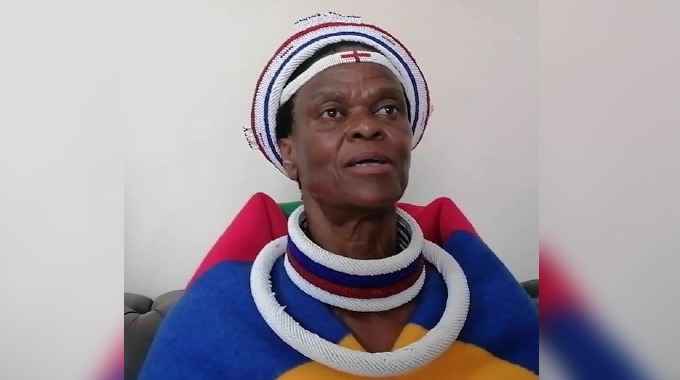
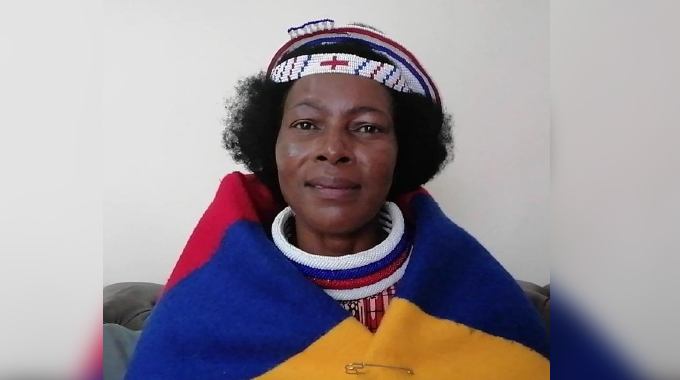
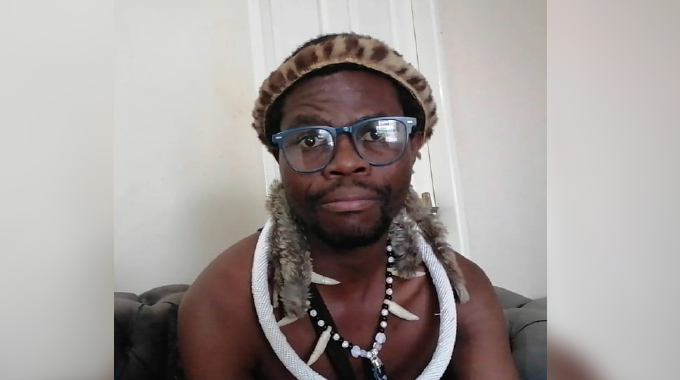
Among the distinguished guests was a royal delegation from the Ndebele Kingdom in Mpumalanga, South Africa, led by Princess Agnes Nomngoma Mabhena, sister to King Enock Makhosonke II Mabhena. The group also included Prince Ayanda Manala Sibindi, renowned for retracing the lost roots of the Ndebele people and Princess Meisie Mabena—Baloyi.
During the visit, Chief Dakamela called for cultural teachings, traditionally reserved for girls, to be extended to boys.
He said this would help build a generation rooted in discipline, respect and a strong sense of cultural identity.
As the delegation observed the timeless rituals and lessons imparted to the amatshitshi, covering morality, identity, respect and the responsibilities of Ndebele womanhood, Chief Dakamela highlighted a critical gap in cultural education.
“While we deeply cherish and uphold the sacred institution of eMthunzini weSigiya for our daughters, more needs to be done to ensure that our sons are not left outside the circle of wisdom. Boys must also be included in structured cultural instruction.
True societal strength emerges when both young men and women are nourished by the deep roots of our heritage, learning respect, responsibility and the sacred duty to uphold our ways,” he said.
His call resonates against the backdrop of the recently concluded 25th King Mzilikazi commemoration, a landmark event illustrating the unifying power and enduring relevance of Ndebele history for all Zimbabweans.
At the commemorations, a large group of amatshitshi from Nkulumane, Emthunzini, Pumula and the areas of Chiefs Mabhikwa, Masendu and Mayenga Fuyana, who have been taught important life lessons under the shade of eMthunzini weSigiya, were proudly showcased.
The commemoration highlighted King Mzilikazi’s role not just as the feared founder of the Ndebele state but as a strategic integrator.
He consolidated diverse groups, Sotho, Shona, Kalanga, Venda and others, into the fabric of the Ndebele nation, Mthwakazi, creating a legacy that continues to shape Zimbabwe’s ethnic tapestry.
Running under the theme “Siqoqa Isizwe Ngamasiko”, the commemoration brought together communities including Ndebele, Shona, Sotho, Ndau, Kalanga, Venda and Tonga.
Attendees also included international visitors from Russia, South Africa, Botswana and Namibia. Traditional music, dance and regalia were more than performances, they were affirmations of cultural preservation as a unifying force.
The event also contextualised key historical moments, such as the Battle of Pupu, where the Ndebele under King Lobengula resisted colonial forces. As detailed in Pathisa Nyathi’s “Battle of Pupu and Beyond,” this was a nationally significant struggle.
Chief Dakamela believes that understanding these events is essential for all Zimbabweans, including boys, so that cultural knowledge is shared and inclusive.
His vision goes beyond gender equality. It calls for holistic cultural grounding. Boys, as future leaders, fathers and custodians of tradition, require structured guidance just as girls do.
In a fast-changing world, cultural education instils discipline, respect, responsibility and a strong sense of lineage and duty, values crucial to building a healthy society.
“The ultimate goal is creating exemplary citizens. Boys grounded in their culture, familiar with concepts like Ubuntu and historical struggles symbolised by Pupu are better equipped to contribute positively to society,” Chief Dakamela said.
Royal delegates expressed strong support for this vision. Princess Agnes Mabhena said: “Teaching only half the story diminishes the richness of Ndebele heritage.
The bravery, governance systems, craftsmanship and philosophical teachings relevant to men are vital chapters that deserve dedicated transmission to ensure the complete legacy of figures like Mzilikazi is understood and respected.”
Prince Ayanda Sibindi, the genealogist bridging lost connections, echoed the need for deliberate, inclusive cultural continuity, recognising how fragile cultural memory can be without intentional effort.
The echoes of “Siqoqa Isizwe Ngamasiko” from the Mzilikazi commemoration still resonate. Chief Mbusi Dakamela’s call at eMthunzini weSigiya is a direct response, a bold and urgent message that cultural education must include Ndebele boys, ensuring that the legacy of Mzilikazi and the nation he forged thrives for generations to come. —@MbuleloMpofu