Online Reporter
Gibson Mhaka
Zimpapers Politics Hub
ON August 11 and 12, Zimbabwe will commemorate the Heroes and Defence Forces holidays, respectively.
In Zimbabwe, Heroes Day is more than just another public holiday on the calendar; it is a poignant reminder of the sacrifices made, the lives lost and the struggles endured by the nation’s brave sons and daughters who liberated their homeland from colonial rule.
Yet, in the shadow of these great achievements, lies the opportunity for a more profound observation: reconciliation.
As the nation gathers each year to commemorate its heroes, this celebration can also serve as a potent platform for healing historical wounds and uniting its people. The spirit of reconciliation and national remembrance is gaining a profound new dimension with the active commencement of the Gukurahundi public hearings.
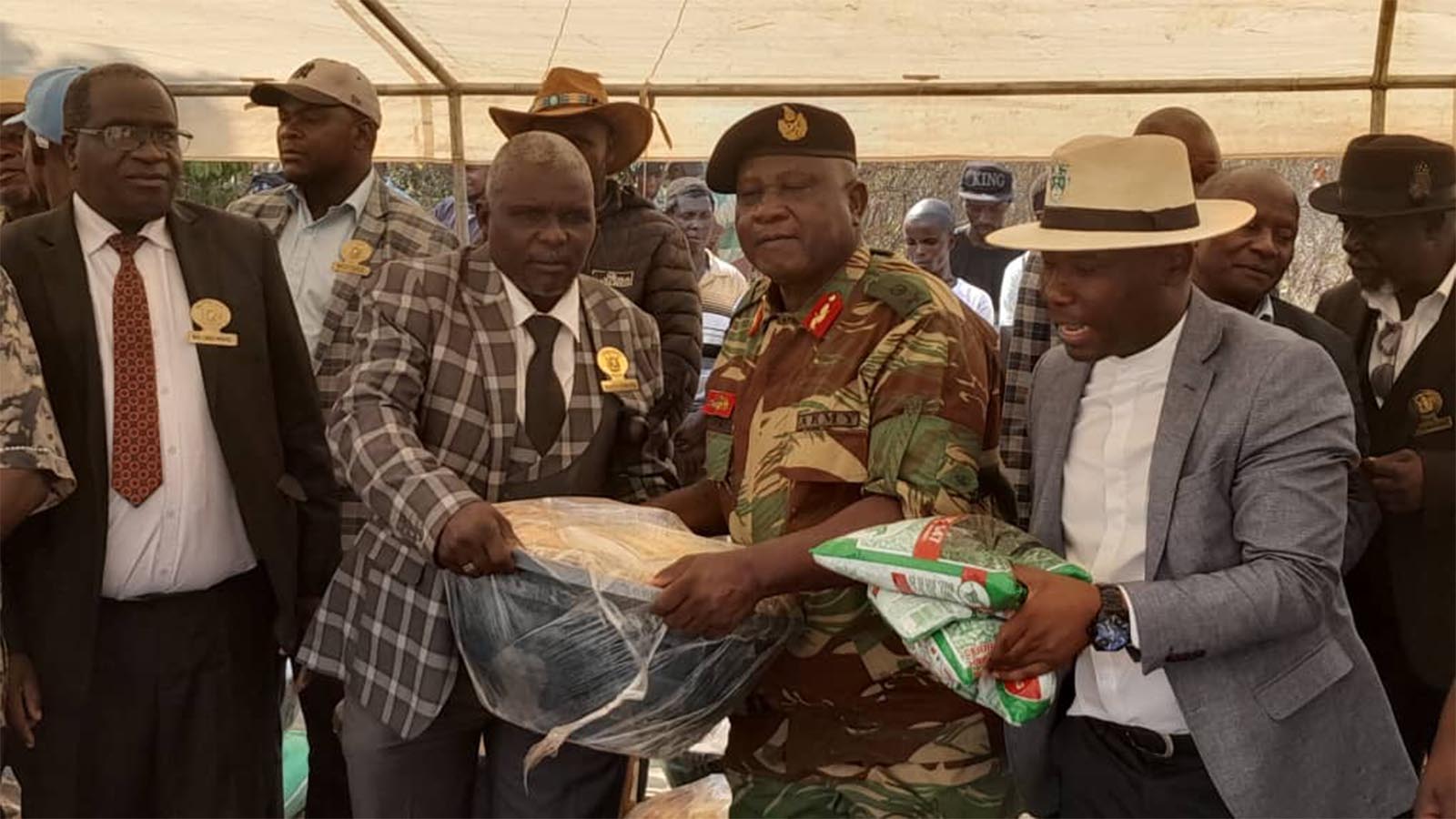
This year, the commemorations are set to move beyond mere reflection on past sacrifices, as traditional chiefs in the Matabeleland region, led by Chiefs Council president Chief Mtshane Khumalo, are now actively engaging victims on the ground in affected communities.
This crucial outreach, personally communicated to President Mnangagwa last Thursday, marks a tangible stride toward healing and reconciliation, directly aligning with the core values of unity and peace for which the nation’s heroes fought.
During Heroes Day commemorations, official speeches often invoke the sacrifices made for a united and peaceful Zimbabwe, reflecting on the gallant men and women who laid down their lives for the nation’s liberation.
A strong point can be made that truly honouring these heroes means directly addressing the painful chapters of post-independence history, including the Gukurahundi issue.
The ongoing Gukurahundi hearings, where traditional chiefs are engaging victims on the ground, serve as a tangible commitment to the national healing and reconciliation that our heroes ultimately fought for – a future free from division and unresolved pain.
This pursuit aligns seamlessly with the very legacy of the liberation heroes, which is built on the pillars of sacrifice, resilience and a relentless pursuit of justice.
These values are not confined to a specific era or group of people; they are timeless qualities that can be embodied by anyone, regardless of their background or profession.
In this light, the active Gukurahundi public hearings resonate deeply with these foundational principles.
By directly addressing the painful chapters of post-independence history and seeking truth, healing, and accountability, these hearings embody the same pursuit of justice and unity that defined the heroes’ fight for a liberated Zimbabwe.
This vital alignment underscores a profound understanding that true liberation extends beyond political independence to encompass the healing of national wounds.
The heroes envisioned a Zimbabwe where all citizens could live in peace and harmony, free from fear and past grievances. The Gukurahundi process, by fostering dialogue and acknowledging historical injustices through the trusted voice of traditional leadership, represents a modern-day manifestation of that unwavering dedication to collective well-being and a just society.
Furthermore, the emphasis on a victim-centred approach within these hearings reflects the heroes’ commitment to defending the vulnerable and ensuring that no one is left behind.
Just as the liberation struggle sought to empower the oppressed, these hearings aim to give voice to those who suffered in silence, validating their experiences and paving the way for restorative justice.
This active engagement with affected communities truly honours the spirit of the fallen by ensuring their sacrifice for a genuinely united and equitable Zimbabwe continues to be realised.
While Heroes Day primarily honours those who fought during the liberation struggle, it also serves as a day to acknowledge the contributions being made by traditional leaders in the Matabeleland region who are spearheading the Gukurahundi hearings.
These unsung individuals, who may not have fought in the war but are making significant impacts in their communities, embody the same spirit of selflessness and dedication.
The ongoing Gukurahundi hearings directly embody this commitment to the heroes’ legacy.
By providing a platform for victims to share their painful experiences, these hearings actively address the deep-seated trauma that has long affected communities.
This process of acknowledging, listening, and seeking truth is a crucial step towards healing the wounds of the past, thereby fostering the reconciliation and unity that our heroes envisioned for a truly free Zimbabwe.
It transforms the abstract ideals of freedom and justice into concrete actions, ensuring that the sacrifices of the past pave the way for a more just and cohesive future for all.
The post-trauma effects of their experiences continue to resonate within Zimbabwean society, much like the lasting impact of the Gukurahundi issue, highlighting the importance of recognising and addressing the profound impact of trauma on individuals and communities.
In this light, the Gukurahundi hearings are more than just a legal or historical exercise; they are a profound act of national healing that deeply resonates with the spirit of Heroes Day.
While Heroes Day traditionally commemorates those who fought for Zimbabwe’s liberation, these hearings extend that recognition to those who suffered in the aftermath.
By confronting the uncomfortable truths of our history, Zimbabwe demonstrates a commitment to a holistic understanding of its past, acknowledging all whose struggles have impacted.
This inclusive approach to remembrance is vital for building a truly unified nation, honouring the sacrifices of all its people. Ultimately, the active pursuit of truth and reconciliation through the Gukurahundi hearings is a testament to the enduring vision of our heroes.
It signals a move beyond mere commemoration to a tangible commitment to justice and accountability, which are the cornerstones of a truly free and equitable society.
By allowing the wounds of the past to be openly acknowledged and addressed, Zimbabwe is not only honouring the fallen but also actively building the resilient, reconciled, and just future that its heroes fought so valiantly to achieve.