Online Reporter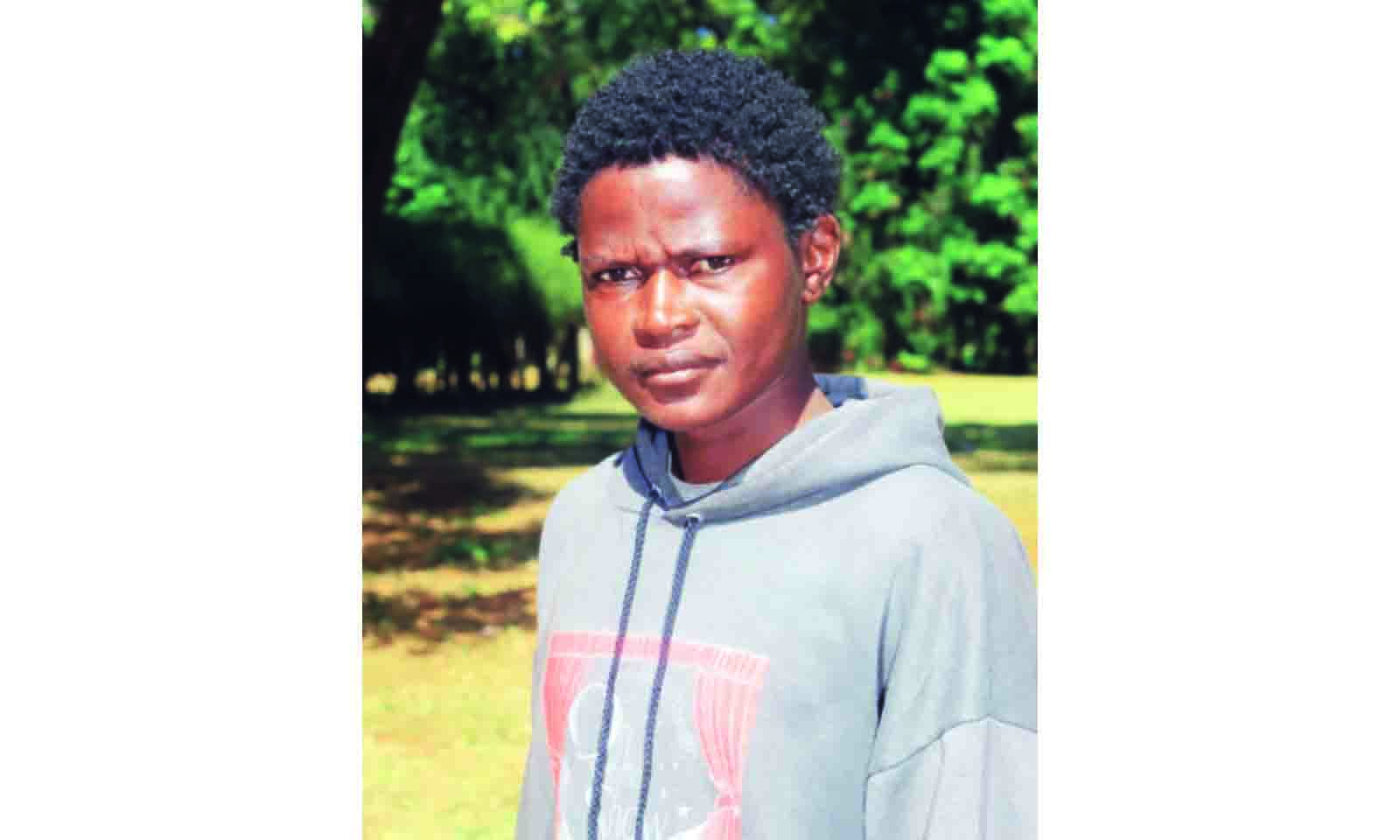
Mbulelo Mpofu
Zimpapers Arts and Entertainment Hub
RENOWNED poet and journalist Kwanele Khumalo, popularly known by his pen name, “Mntungwa kaMbulazi”, is set to launch his fifth poetry collection, “Stolen Village Drum”, next month.
This latest anthology marks a significant evolution in Khumalo’s literary journey, moving from predominantly cultural themes to raw depictions of social issues and personal experiences.
Hailing from Plumtree and now based in Bulawayo, Khumalo has built a reputation as a powerful voice for rural communities and the marginalised lower classes. Since beginning his poetry career in 2016, he has published four notable books: “Who Killed Grandfather?”, “Vendor Logs”, “Lachin”, and the co-authored “Chronicles from Africa.”
His debut, “Who Killed Grandfather?”, earned a nomination at the prestigious National Arts Merit Awards (NAMA) in 2021, affirming his impact on Zimbabwe’s literary scene.
Unlike his earlier works that delved deeply into cultural preservation and issues facing traditional life, “Stolen Village Drum” takes a more personal and socially conscious approach.
Khumalo explained this to Zimpapers Arts and Entertainment Hub, “All my previous books were looking mostly at cultural issues, but this one I have based more on what I have seen and experienced mostly in life. I have tried more to run away from preaching culture and looked more on social issues and day-to-day living of individuals.”
The anthology tackles pressing themes such as poverty — especially the plight of street children ensnared by drugs and alcohol — as well as love and heartbreak.
Khumalo revealed that much of the emotional core of the collection comes from his own heartache, particularly revolving around a woman named Monica, whom he describes as having “thrown my heart in a den of lions to ravage it.”
The title, “Stolen Village Drum” carries both literal and metaphorical significance. Khumalo elucidated, “The stolen village drum symbolises the stolen treasure from the owners to those who don’t deserve it. Until the fortune is taken away from you, you won’t realise its importance. Again, those who are close or part of the owners of the drum are usually the ones who help the baboons to steal the drum out of jealousy, and what they get are only few tokens.”
This metaphor highlights themes of betrayal, loss, and the undervaluing of cultural and communal assets by those who fail to appreciate them. In addition to his poetic endeavours, Khumalo is a professional journalist who spent a year with Zimpapers’ BMetro publication, which enriches his writing with keen social observation and authenticity.
When asked about the influence of artificial intelligence (AI) on authorship, he offered a balanced perspective: “I can’t dismiss AI; it helps improve writing and makes work a bit easier, but AI doesn’t have feelings. So, if the author uses AI, he or she must not abuse it like finding someone writing using AI . . . instead, it should help in correcting some few mistakes.”
Poetry lovers should expect poems like “Tjankwa River” and “What have I done?” amongst others, pieces that touch Khumalo’s shortfalls in matters of the heart and the praise he has for Tjankwa River in Plumtree.
A brief overview of Khumalo’s published works reveals his literary range and evolution: “Who Killed Grandfather?” (2021): A culturally focused book exploring the loss of traditional values and heritage. “Vendor Logs”: A deeply personal diary capturing his journey through depression and mourning the loss of close friend Nkosiphile.
“Chronicles from Africa”: A collaborative anthology featuring African poets sharing diverse stories from across the continent.Lachin: Details about this book were not provided but form part of his growing body of work.
Khumalo stands as a compelling voice bridging Zimbabwe’s rural realities and urban literary circles, offering readers a blend of heartfelt introspection and social critique. His work continues to shed light on the complexities of life in Zimbabwe, inspiring reflection and dialogue through poetry.