Online Reporter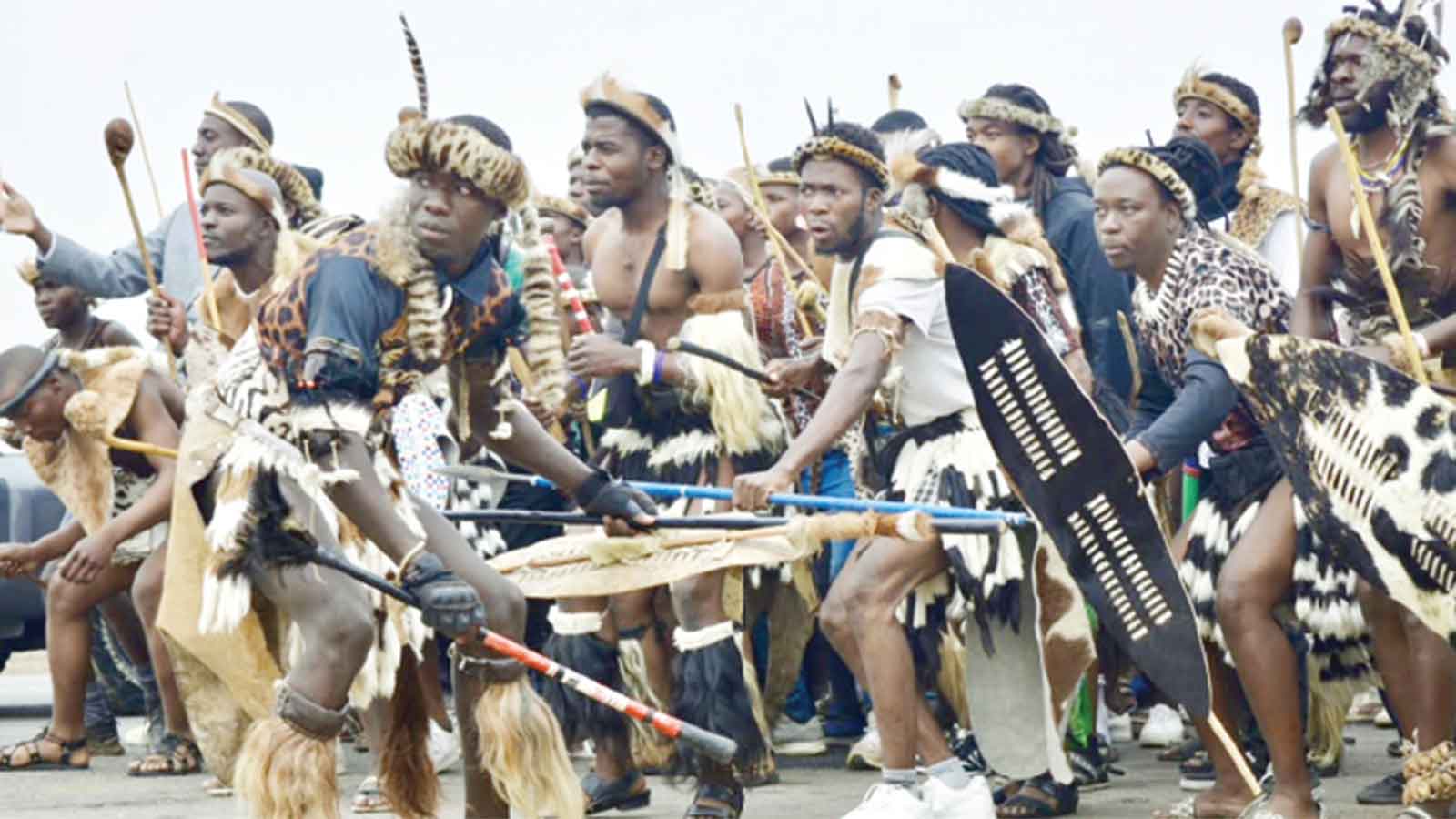
Zimpapers Politics Hub
THE annual King Mzilikazi Commemoration is increasingly becoming more than a gathering to remember one of the most influential figures in Zimbabwe’s history.
It is emerging as an important cultural platform through which communities are reclaiming, preserving and transmitting traditions to a new generation at a time when rapid social change, modernisation and global influences are reshaping the way young people understand their heritage.
Thousands of people from across Zimbabwe and beyond converged for this year’s two-day King Mzilikazi commemorations, organised by the Mthwakazi kaMzilikazi Cultural Association (MMCA), turning the event into a vibrant celebration of history, identity, language, food, music and traditional values.
The gathering demonstrated that while the passage of time may separate present generations from the era of King Mzilikazi Khumalo kaMashobane, his legacy continues to provide a cultural reference point for communities seeking to preserve their identity and pass it on to future generations.
At the heart of this year’s commemorations was a deliberate effort to move beyond simply remembering the past.
The youth-focused programme exposed young people to traditional values, Ndebele cuisine, traditional music and dance, providing a practical platform for cultural knowledge to be transferred from one generation to another.
This is perhaps the most significant dimension of King Mzilikazi Day.
Culture survives not merely through monuments, commemorative speeches or history books, but when it is lived, practised and taught.
The organisers appear to have recognised this reality by placing young people at the centre of the programme.
For a generation growing up in an increasingly interconnected world, where cultural influences from across the globe are only a smartphone away, creating spaces where indigenous traditions can be experienced first-hand is critical.
The sight of young people participating in traditional dances, learning about traditional cuisine and being exposed to values passed down through generations provides hope that cultural heritage will not become confined to museums and archives.
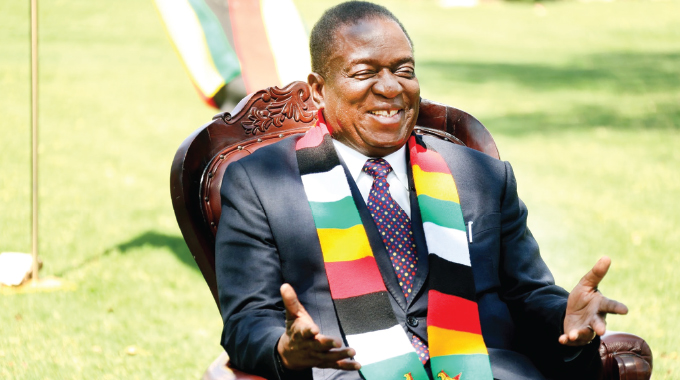
Minister of State for Provincial Affairs and Devolution for Matabeleland South Albert Nguluvhe, who was the guest of honour at Saturday’s commemoration, aptly captured this broader significance, saying culture should not be treated as something that is remembered only once a year.
“Culture is not a museum piece that we dust off once a year. Culture is how we raise our children.
“It is how we resolve conflict, how we treat our elders, how we farm, how we name and how we govern,” he said.
The statement is particularly important because it reframes the debate around culture.
Culture is often reduced to traditional dances, dressing or ceremonies performed during special occasions.
Yet, as Minister Nguluvhe pointed out, it is much broader. It encompasses values, language, social relations, knowledge systems and ways of life that shape communities.
That makes King Mzilikazi Day an important platform for cultural revival because it creates an opportunity for these elements to be brought into the public space and celebrated collectively.
The participation of thousands of people, including those who travelled from outside Zimbabwe, further demonstrates the enduring interest in the history and cultural traditions associated with King Mzilikazi.
The traditional attire worn by participants was not merely ceremonial.
It became a visible expression of identity, while the traditional songs and dances transformed public spaces into living classrooms of history and culture.
Participants marched through some of Bulawayo’s iconic landmarks, including Barbourfields Stadium, the home of Highlanders Football Club, the Inxwala Grounds and the statue of the late Vice-President Dr Joshua Mqabuko Nyongolo Nkomo.
The procession provided another powerful reminder of the connection between history, culture and place.
These landmarks are embedded in the historical memory of the city, and taking cultural celebrations into these public spaces helps ensure that heritage remains part of everyday community consciousness.
But the significance of King Mzilikazi Day goes beyond cultural preservation.
It has the potential to contribute to economic development.
Culture can be an important economic resource when properly harnessed through tourism, creative industries, traditional crafts, cuisine, music and heritage-based enterprises.
Minister Nguluvhe urged communities to embrace this approach, arguing that culture should not be viewed solely as an inheritance from the past but as an asset capable of creating opportunities for the future.
“Let our culture be a source of jobs, tourism and innovation, not something we leave behind,” he said.
This is where cultural revival intersects with the Government’s broader development agenda.
A thriving cultural sector can create opportunities for young musicians, dancers, designers, artists, traditional food producers, tour operators and craftspeople.
Heritage events such as King Mzilikazi Day can therefore become important platforms for showcasing local talent and attracting visitors, while simultaneously strengthening community pride.
There is also a deeper social dimension.
King Mzilikazi’s historical legacy is closely associated with nation-building and the unification of different groups.
Minister Nguluvhe described him as “more than a warrior”, saying he was “a nation-builder, a unifier and a custodian of identity”.
That interpretation gives the commemoration relevance beyond historical remembrance.
In a society where questions of identity and belonging remain important, celebrating historical figures can help communities understand their past while drawing lessons for the present.
The annual event can therefore serve as a platform for promoting unity, social cohesion and respect for cultural diversity.
Zimbabwe itself is home to a rich tapestry of cultures and languages. Preserving that diversity does not weaken national identity; rather, it can strengthen it by ensuring that communities participate in nation-building from a position of confidence in their own heritage.
This is also why the focus on young people is so important.
If cultural knowledge is not deliberately transferred, it risks disappearing as older generations pass on.
Minister Nguluvhe put it succinctly: “Our young people must know where they come from to know where they are going.”
The statement should be taken seriously.
A young person who understands the history, language, values and traditions of their community is better placed to appreciate where they fit within the broader national story.
The challenge now is to ensure that the momentum generated by King Mzilikazi Day does not disappear when the celebrations end.
Cultural revival cannot be a once-a-year exercise.
It must find expression in schools, families, communities, cultural institutions and local development programmes.
Traditional languages must continue to be spoken at home and taught to younger generations. Oral histories must be documented.
Traditional knowledge must be preserved. Cultural sites must be protected and promoted.
Artists and cultural practitioners must be supported.
Most importantly, young people must be given a meaningful role in determining how culture is preserved and presented in the modern era.
The annual commemoration already provides a strong foundation for this work.
As Minister Nguluvhe observed, “Culture is how we raise our children.”
That means the real measure of King Mzilikazi Day should not simply be the number of people who attend, the colourful traditional attire on display or the performances staged during the celebrations.
Its true success will be measured by what happens afterwards — whether young people learn their languages, whether families pass on traditions, whether cultural institutions preserve historical knowledge and whether communities transform heritage into opportunities for tourism, employment and innovation.
Ultimately, King Mzilikazi Day is becoming a bridge between generations.
It connects the present to the past while challenging communities to consider what kind of future they want to build.
Beyond remembrance, therefore, the commemoration represents a cultural revival — one that keeps history alive, strengthens identity, empowers young people and demonstrates that heritage can be both a source of pride and a driver of development.
As Minister Nguluvhe challenged communities: “As we honour King Mzilikazi today, let us not only remember what he built, but ask ourselves what we are building today.”
That is perhaps the most important question arising from the annual commemoration.
For the legacy of King Mzilikazi to remain meaningful, it must not simply be celebrated.
It must be lived, preserved and passed on.