Liberty Dube
Post Correspondent
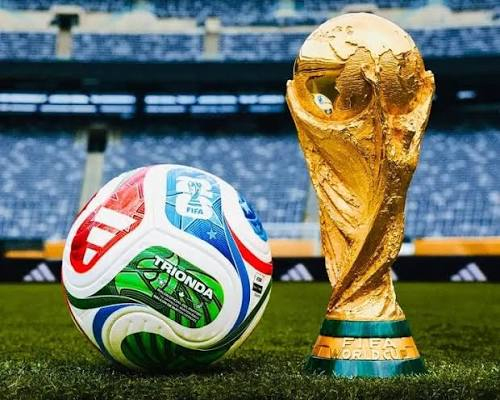
AS millions of football fans across the globe tune in to watch the FIFA World Cup, few pause to consider that behind every goal celebration, television broadcast and replica jersey lies one of the most sophisticated Intellectual Property (IP) systems in the world.
The FIFA World Cup is, not only the pinnacle of sporting excellence; it is also a global showcase of how intellectual property fuels innovation, creativity and economic growth.
This year’s World Intellectual Property Day theme: “IP and Sports: Ready, Set, Innovate!”, invites us to explore precisely this connection – how intellectual property rights shape the sporting industry and drive development far beyond the playing field.
To the average fan, the World Cup is 90-plus minutes of drama, heartbreak and triumph.
To intellectual property experts, however, it is a carefully protected ecosystem of trademarks, copyrights, industrial designs, patents and broadcasting rights.
The FIFA name, the World Cup logo, the tournament mascot and even official slogans are protected by trademarks.
These distinctive signs help consumers identify authentic products while preventing unauthorised businesses from exploiting the tournament’s reputation for commercial gain.
Every four years, FIFA aggressively safeguards its intellectual property portfolio to combat counterfeiting and ambush marketing.
Without these protections, official sponsors who invest millions of dollars in the tournament would have little incentive to support the spectacle that fans have come to love.
When Zimbabwean families gather around television screens to watch World Cup matches, they are consuming copyrighted content.
The camera angles, commentary, graphics, opening ceremonies and musical performances are all protected under copyright law.
Broadcasters pay substantial sums to secure exclusive rights to air these events, creating an economic chain that benefits sporting bodies, media houses and content creators.
Recent debates surrounding broadcast arrangements for the World Cup final underscore the immense commercial value attached to media rights.
Broadcasting remains one of the tournament’s largest revenue streams.
For journalists, photographers and media practitioners, this offers an important reminder that creative works deserve recognition and protection.
Intellectual property also drives technological advancement in football.
The boots worn by elite players, the fabrics used in team jerseys, goal-line technology and performance analytics systems are often underpinned by patents and industrial designs.
The World Intellectual Property Organisation (WIPO) notes that intellectual property rights are critical in supporting innovation throughout the sports industry, from equipment development to cutting-edge technologies that improve performance and enhance fan experiences.
Every innovation that makes football safer, fairer or more exciting begins with an idea and intellectual property ensures that inventors can reap the rewards of their ingenuity.
For Zimbabwe, the relationship between sports and intellectual property presents untapped opportunities.
Our local designers can create original sports apparel brands.
Software developers can build sports analytics platforms. Entrepreneurs can develop innovative training equipment tailored to African conditions.
Young creators involved in sports photography, videography and content creation can monetise their work through copyright protection.
Yet these opportunities can only flourish if society respects intellectual property rights and understands their value.
Counterfeit merchandise may appear harmless, but it undermines legitimate businesses, deprives creators of income and weakens incentives for innovation.
Zimbabwe’s youthful population represents a tremendous reservoir of talent and creativity.
By understanding intellectual property, young people can transform their passion for sport into sustainable livelihoods.
A football enthusiast could become a sportswear designer. A gifted artist could create iconic team mascots.
A technology enthusiast could invent the next breakthrough in athlete performance monitoring.
The possibilities are endless. The roar of the crowd eventually fades. The champions lift the trophy, and the world moves on to the next tournament.
But long after the final whistle, intellectual property continues to work behind the scenes. It rewards innovation.
It protects creativity. It drives investment. It creates jobs.
The FIFA World Cup reminds us that sport is not merely entertainment; it is also an economic powerhouse built on ideas, talent and ingenuity.
For in the world of sport, as in life, the greatest victories often begin with an idea.
Beyond the final whistle: How Intellectual Property powers the FIFA World Cup