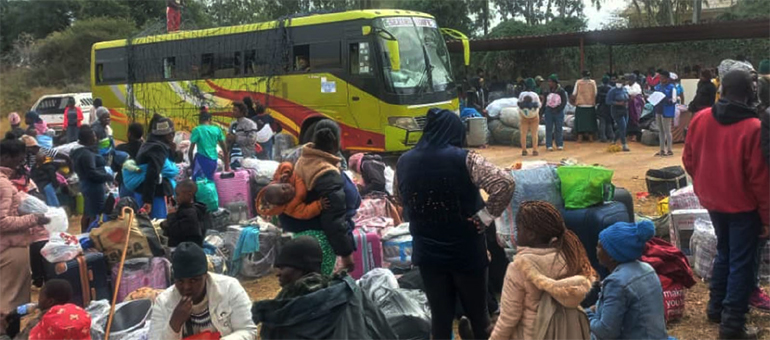
THE repatriation of Zimbabweans from South Africa, particularly those from Chipinge, Chimanimani, Buhera, and other parts of Manicaland, is not just a logistical exercise of moving people across borders.
It is a deeply human moment, one that calls for compassion, foresight, and a collective sense of responsibility.
These men, women, and children are returning home after years of living in a foreign land, often under difficult circumstances. For many, South Africa was a place of refuge, a land of opportunity, or simply a survival strategy in the face of economic hardships back home.
The need to welcome back these compatriots cannot be overstated. Migration, especially under duress, often leaves scars—emotional, social, and economic. Many of those returning from South Africa have endured xenophobia, job insecurity, and the constant fear of deportation. They may have lost property, livelihoods, or even family members in the process.
To simply bring them back without a deliberate effort to reintegrate them will be to compound their trauma. Zimbabwe must rise to the occasion by creating an environment where these returnees are, not seen as outsiders, but as brothers and sisters reclaiming their rightful place in the national family. Communities in Chipinge, Chimanimani, Buhera, and across Manicaland have a unique role to play. This means offering, not only material support, but also emotional solidarity. A warm embrace, a listening ear, and a willingness to help them restart their lives can make all the difference. Reintegration is not just about jobs or housing; it is about restoring a sense of belonging.
Returnees need access to land, employment opportunities, and social services. Many will arrive with skills acquired in South Africa—skills in construction, farming, trade, and even professional sectors. Harnessing these skills for local development could be transformative.
Imagine a programme that channels the expertise of returnees into community projects: rebuilding schools, improving agricultural practices, or setting up small businesses. Such initiatives will, not only empower the returnees, but also uplift the communities they are rejoining.
Education and healthcare are equally critical. Children who were in South African schools must be smoothly integrated into Zimbabwe’s education system without stigma or bureaucratic hurdles.
Families must have access to healthcare, especially given the vulnerabilities that come with migration. If these basic needs are met, the returnees will not feel abandoned, but rather embraced by a nation that values their presence.
There is also a psychological dimension to consider. Many returnees may feel a sense of failure for having to leave South Africa, or anxiety about starting over. Counselling services, community dialogues, and cultural ceremonies of welcome could help ease this transition.
Traditional leaders in Manicaland, who hold significant influence, could spearhead rituals of reintegration that affirm the returnees’ identity and belonging. Such symbolic gestures carry immense weight in healing fractured spirits.
Economically, reintegration should be seen as an opportunity rather than a burden. Zimbabwe’s economy, particularly in rural areas, thrives on agriculture and small-scale trade. Returnees can inject new energy into these sectors. With proper support—such as access to credit, training, and markets—they can become catalysts for local growth.
The Government can establish reintegration funds or partnerships with development partners to provide seed capital for returnees to start businesses. This will, not only reduce dependency, but also foster innovation and resilience in communities.
Ultimately, welcoming back Zimbabweans from South Africa is about reaffirming national unity. It is about saying: no matter where you have been, Zimbabwe is your home, and you are valued here.
In a world where migration often leads to division and hostility, Zimbabwe has the chance to model a different path—one of compassion, inclusivity, and shared progress.
The returnees are not a problem to be managed; they are an asset to be embraced. Their stories of struggle and survival enrich the national narrative, reminding us of the strength and resilience of the Zimbabwean spirit.
If Zimbabwe rises to this challenge, the repatriation of its citizens could become a turning point—a moment when the nation, not only welcomed its people back, but also reignited a collective vision for a better future.
The fields of Chipinge, the hills of Buhera, and the valleys of Manicaland could once again echo with the laughter and industry of families rebuilding their lives. And in that process, Zimbabwe itself will be renewed, strengthened by the very people who once sought refuge elsewhere, but have now returned to help shape its destiny.
EDITORIAL COMMENT: Repatriated families deserve dignity, not despair