Online Reporter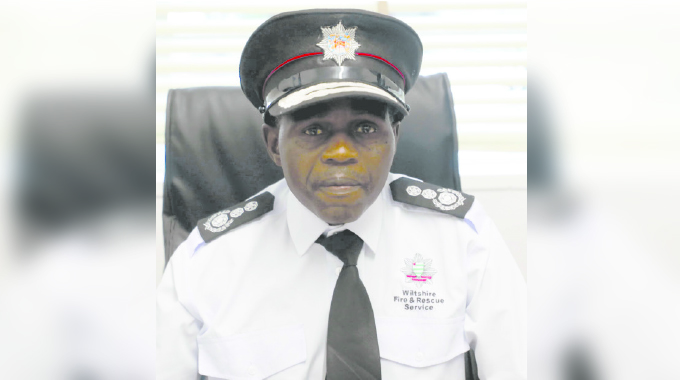
Vusumuzi Dube Deputy Radar Editor
WHEN the flashing lights fade, the crowds disperse and the wreckage is cleared away, another story quietly begins.
It is the story of the firefighters, police officers, ambulance crews and rescue personnel who are first to arrive at scenes of horror, often witnessing death and devastation that most people will never experience in a lifetime.
For members of the Bulawayo Fire Brigade, Zimbabwe Republic Police (ZRP), ambulance services and other emergency responders, the psychological impact of responding to fatal road traffic accidents, fires, explosions and other disasters often lingers long after the victims have been buried and the headlines have faded.
The recent road traffic accident that claimed the lives of Highlanders Football Club chairman Retired Colonel Kenneth Mhlophe, vice chairman Sifiso Siziba, executive committee member Nkani Khoza and supporter Mbalenhle Sibanda once again placed emergency personnel at the centre of a tragedy that shook the nation.
Earlier this year, another horrific scene confronted rescuers when a commuter omnibus transporting explosives caught fire and exploded near the National University of Science and Technology (Nust) main campus, killing everyone on board.
For the public, these events become painful memories, but for first responders, they often become recurring images.
Responding to questions from Zimpapers, Bulawayo Chief Fire Officer Mr Mhlangano Moyo revealed that firefighting is among the most psychologically demanding professions because crews are repeatedly exposed to traumatic events ranging from fatal road traffic accidents and structural fires to industrial disasters and medical emergencies.
“Repeatedly responding to fatal road accidents, fires, industrial incidents and other disasters has profound psychological effects on firefighters. Some develop post-traumatic stress disorder (PTSD) from repeated exposure to traumatic events, while others experience emotional numbness, intrusive memories and flashbacks. Not every firefighter develops PTSD, but cumulative exposure raises the risk,” he said.
Mr Moyo said firefighters also suffer what mental health professionals refer to as “moral injury”, where they struggle emotionally after being unable to save lives despite doing everything possible.
“This can occur when victims die despite rapid intervention. The emotional impact builds over years of responding to fatal road traffic collisions, burn victims and mass casualty incidents. Even resilient firefighters may eventually find that each new incident becomes harder to process,” he said.
Experienced firefighters and police officers often speak of certain incidents remaining vivid years later. Some remember the smell of burning vehicles. Others remember the silence after rescue efforts end. Some remember the faces of children. Others remember notifying families that their loved ones would never return home.
Although years may pass, certain accident scenes remain permanently etched in memory.
Mr Moyo said repeated exposure to tragedy can fundamentally change how firefighters view the world.
“Some may perceive life as more dangerous, become overprotective of family members and lose trust in the predictability or fairness of life. Psychological strain often extends beyond the workplace, with some firefighters finding it difficult to discuss traumatic experiences with loved ones and becoming emotionally withdrawn,” he said.
The emotional burden becomes heavier in incidents involving public figures, colleagues or mass casualties, where the tragedy attracts intense public attention.
Emergency services operate within a culture that prizes resilience, where showing emotion is sometimes wrongly viewed as a sign of weakness. As a result, many responders suppress grief and continue working without openly discussing their experiences.
Recognising these risks, the Bulawayo Fire Brigade has introduced structured systems aimed at protecting the mental wellbeing of its personnel.
Mr Moyo said firefighters undergo ‘hot debriefs’ immediately after major incidents at the scene, followed by ‘cold debriefs’ back at their stations where teams reflect on operations, share emotional reactions and identify lessons learned in a supportive environment rather than one focused on blame.
He said the brigade also works closely with the City of Bulawayo’s Health and Safety Unit, which provides access to clinical psychologists, counsellors and psychiatrists experienced in working with emergency responders.
“Professional counselling is available after traumatic incidents and as part of routine occupational health services.
We also conduct annual health screenings to identify stress-related problems early so that intervention can take place before symptoms become severe,” said Mr Moyo.
Beyond professional counselling, teamwork has become one of the brigade’s strongest coping mechanisms.
“We have invested in team-building programmes that have created a brotherly environment within the Fire and Ambulance Service. Firefighters who have experienced similar incidents are often able to provide understanding, encouragement and practical advice to one another. This reduces feelings of isolation and helps members process traumatic experiences together,” he said.
Routine physical exercise, healthy living and strong leadership also form part of the brigade’s resilience strategy, with fire officers encouraged to regularly check on the wellbeing of staff and foster an environment where seeking psychological help carries no stigma.
Despite these interventions, the emotional scars often remain invisible.
“When people see firefighters responding to emergencies, they see courage, professionalism and determination.
What they do not always see is that behind every uniform is a human being who has witnessed pain, suffering, loss and death. Many carry vivid memories of the people they saved, the families they comforted and the tragic scenes they encountered,” said Mr Moyo.
He added that supporting firefighters should extend beyond recognising their bravery during emergencies.
“The community has an important role to play by appreciating their service, treating them with respect and recognising that they too sometimes need emotional support. Creating an environment where firefighters feel safe to seek help strengthens both the individual and the fire service as a whole,” he said.