Online Reporter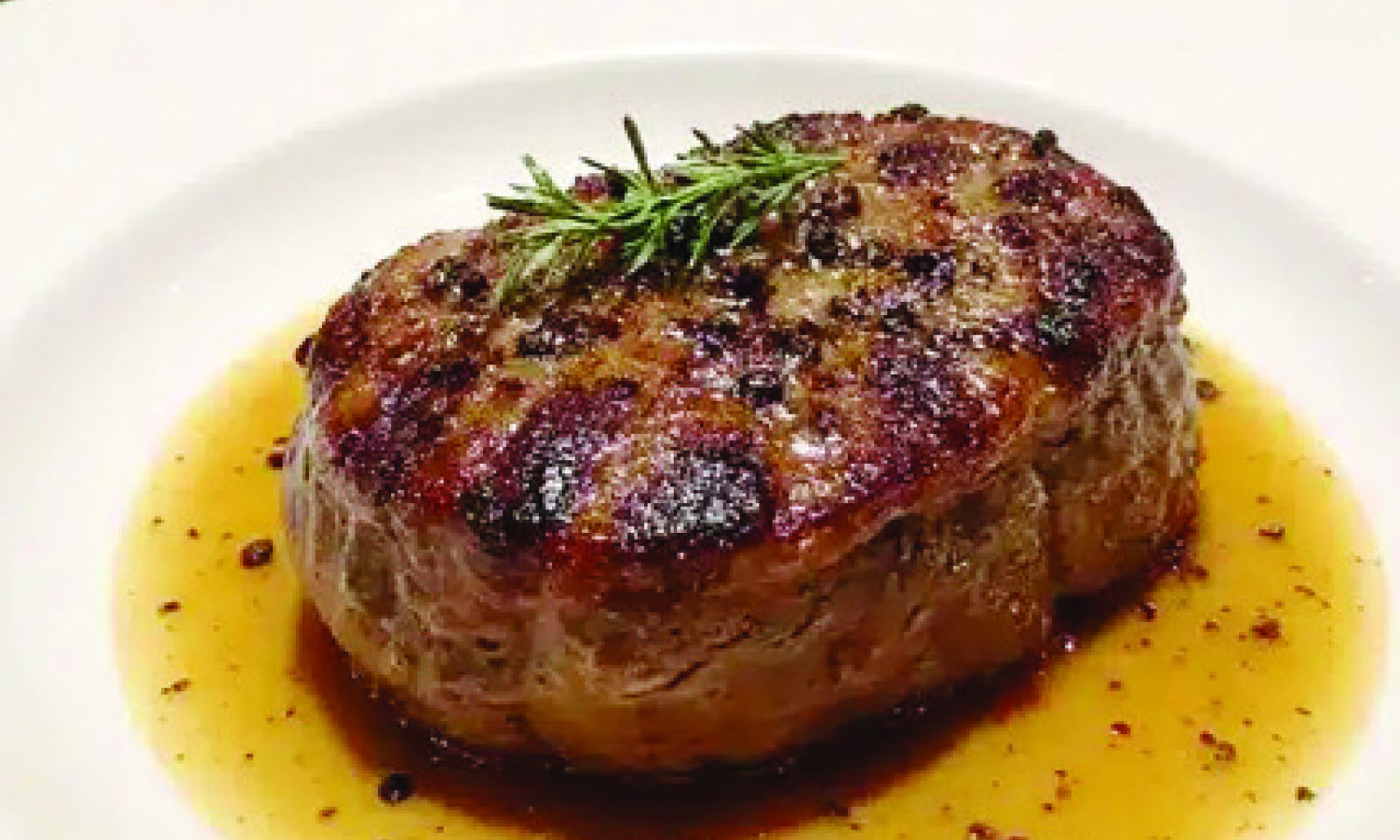
Chef Rudo Kandiero
October is dedicated to the unsung heroes who shape culture, create community and nourish our bodies and souls: the chefs.
As creators of healthy, enjoyable food, a chef’s duties are diverse and go far beyond simple cooking. A chef is a skilled culinary professional who acts as both an artist and a manager, overseeing all aspects of kitchen operations.
However, specific duties vary significantly based on their rank.
The kitchen brigade system (brigade de cuisine), conceived by the legendary French chef, Auguste Escoffier, was created to eliminate the chaos of large, traditional kitchens.
The kitchen brigade assigns specific, specialised roles to every staff member, increasing efficiency, quality and consistency.
While the size of the kitchen determines how many of the roles are used, the main hierarchy remains consistent:
Executive chef: Manages multiple food and beverage outlets. Focuses on high-level business strategy and overall menu concept rather than daily cooking.
Chef de cuisine (head chef): The ultimate authority in a single kitchen. Responsible for menu creation, cost control, staff management and ensuring the kitchen implements the executive chef’s vision.
Sous chef: Second in command. Manages the kitchen during service and in the head chef’s absence. Responsible for training, scheduling and often handling inventory and purchasing.
Chef de partie (station chef/line cook): In charge of a specific kitchen section. These are the specialists who report to the sous chef.
Commis chef (junior cook/apprentice): Works under a chef de partie to learn the station’s responsibilities. Handles prep work, fetching ingredients and maintaining the station tools.
Steward (dishwasher): Responsible for washing dishes, cleaning pots and maintaining kitchen cleanliness.
This week, we will feature a classic pepper steak (steak au poivre) recipe that serves four.
Ingredients
300g tenderloin steaks or ribeye;
Three tablespoons black peppercorns, coarsely cracked;
Two tablespoons oil;
Two tablespoons butter;
One minced shallot;
One-third cup cognac/brandy;
Half cup heavy cream;
One tablespoon Dijon mustard;
Fresh thyme for garnish;
Salt to taste
Method
Remove the steaks from refrigeration about 30 minutes before cooking.
Pat them thoroughly dry with a paper towel. Season the steaks with salt and the cracked pepper, pressing the pepper firmly into both sides of each steak.
Heat the oil in a heavy-bottomed pan over medium-high heat until it is shimmering.
Sear the steaks for three to four minutes per side, adjusting the time based on the steak’s thickness and your desired doneness.
Remove the steaks to a warm plate and loosely tent them with foil.
Reduce the heat to medium and add the butter to the same pan.
Once melted, add the minced shallot and sauté until fragrant, about one minute.
Remove the pan from the heat. Carefully add the cognac or brandy, then return the pan to the heat to cook off the alcohol for two minutes.
Add the cream and Dijon mustard, whisking constantly. Simmer the sauce until it thickens enough to coat the back of a spoon, approximately two to three minutes.
Taste and adjust the seasoning (salt and pepper) if needed.
Spoon the sauce generously over the steaks. Garnish with fresh thyme.
Serve immediately with creamy mashed potatoes and sautéed green beans.
Rudo Kandiero is a qualified chef with a diploma in food preparation and culinary arts, patisserie and food safety. She can be contacted on 0772748509.