dyton mupawaenda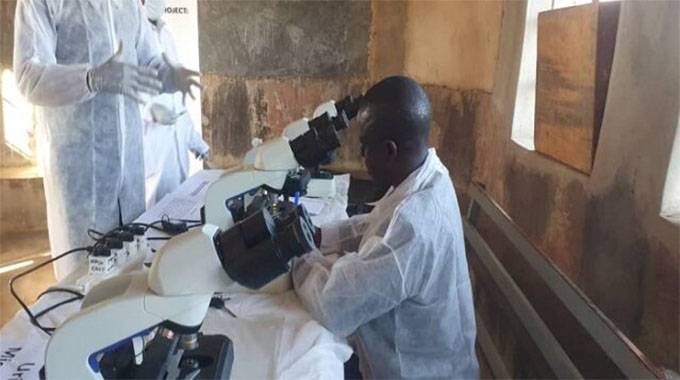
Rumbidzayi Zinyuke-Health Reporter
Women who have contracted schistosomiasis (bilharzia) are three times more likely to be infected with HIV by an infected male partner and are more likely to transmit HIV to their male partners, so the elimination of the parasitic disease is even more important.
According to director of the National Institute of Health Research (NIHR) Professor Nicholas Midzi, studies that have been made in Zimbabwe have shown that there is a link between bilharzia infection and the spread of HIV.
“We have conducted some studies and we were able to demonstrate that among women who suffer from schistosomiasis 75 percent of them have the disease affecting their reproductive organs and they have what is called female genital schistosomiasis.
“There is a risk that the women with HIV who have female genital schistosomiasis can actually transmit HIV to their male counterparts,” he said.
Women with female genital schistosomiasis were three times more likely to contract HIV from their infected partners making bilharzia a major public health problem as it caused transmission of HIV as well as the damage due to actual parasites.
Other studies done within Sub Saharan Africa have shown that female genital schistosomiasis affects up to 56 million women in the region and concurs that it may increase risk of HIV infection.
This particular form of female infection can cause erosion or inflammation hence increasing risk for HIV infection.
Prof Midzi said the treatment of bilharzia resulted in the healing of the wounds caused by the disease causing eggs trapped in the tissue thus eliminating chances of transmission of blood between the two partners.
He said controlling schistosomiasis would result in greater control of HIV.
While women are more affected by bilharzia, and more susceptible to acquiring HIV, men are also at risk.
Prof Midzi said studies had shown that men with HIV who got infected by bilharzia had higher viral loads than those who had not been infected.
“We have also conducted some studies in some parts of Zimbabwe and we have been able to demonstrate that males who have urinary bilharzia, when we collected their semen and checked for the viral load, we found that they had high levels of virus in their semen compared to males who did not have urinary schistosomiasis, but were HIV positive,” he said.
Bilharzia is endemic to all provinces in the country but Mashonaland West has the highest burden of the disease. Shamva district, where the pilot study was conducted, has the highest incidence of bilharzia in the country and has had many outbreaks over the past years.
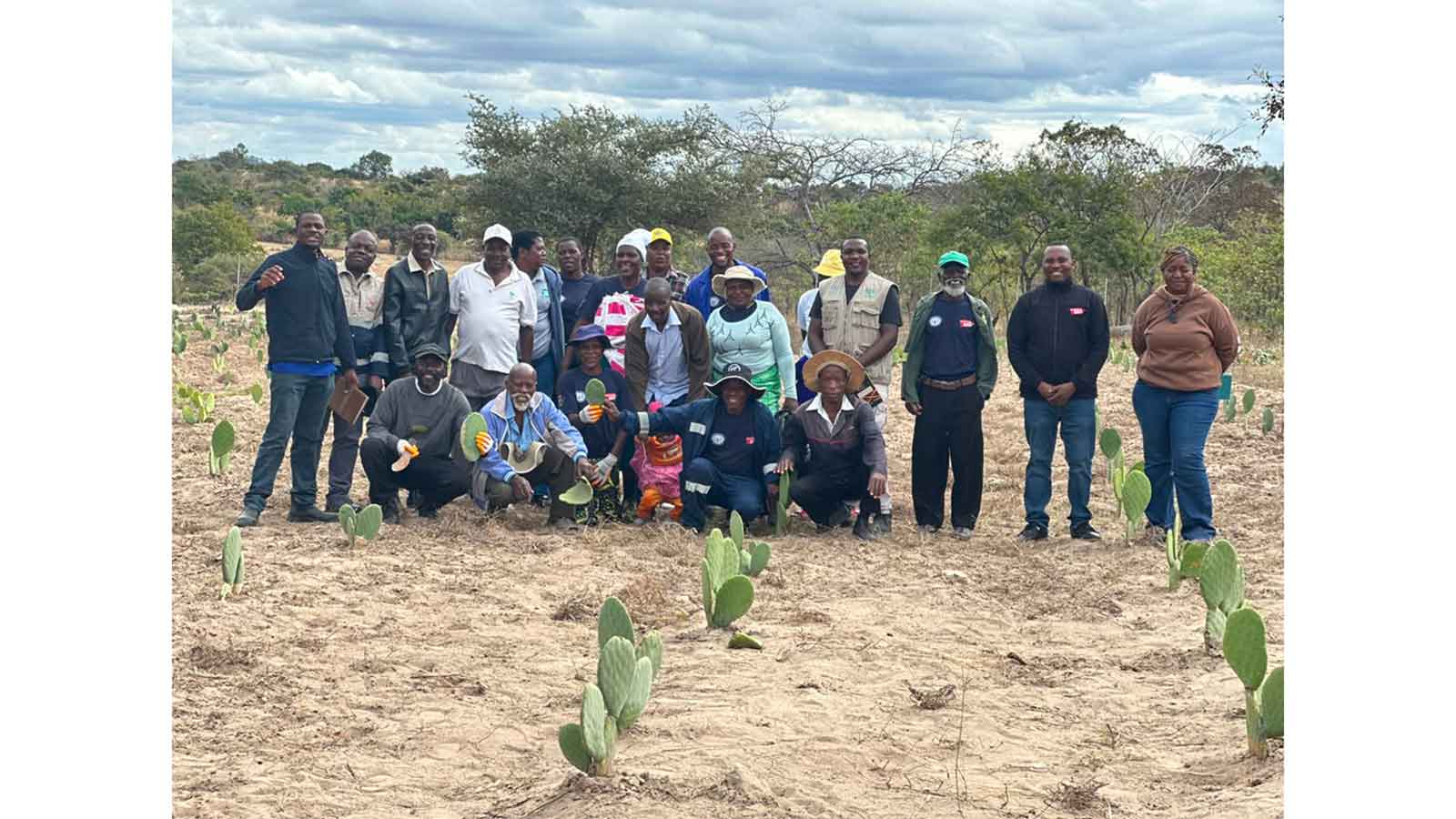
Zimbabwe through the China–Zimbabwe cooperation for the elimination of schistosomiasis, recently concluded a pilot study that sought to assess the various tools that could be used for the control of vector snails that are responsible for the transmission of bilharzia as well as the use of rapid diagnostic tests that could be used at village level to improve surveillance of bilharzia at community level where the disease exists for better interventions.
Prof Midzi said the cooperation brought hope for the country to eliminate bilharzia and fight the HIV pandemic as well.


 Online Reporter