Chronicle Editor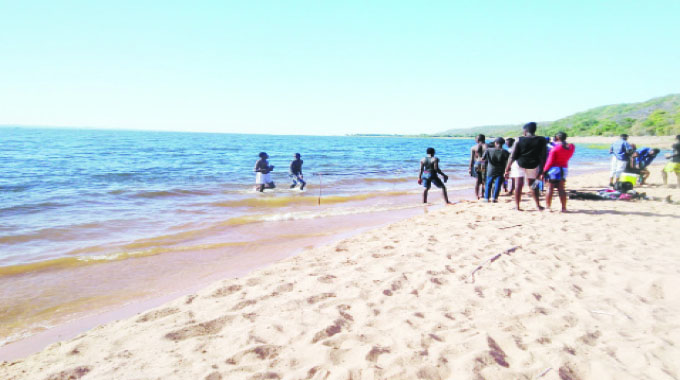
Leonard Ncube, [email protected]
Binga Rural District Council envisions transforming the Matabeleland North fishing district into Zimbabwe’s own Mississippi, tapping into its vast potential and shedding a perception in some quarters that it is a backward region.
With abundant water resources on the Zambezi River, thriving fishing, tourism, and hospitality sectors, fertile soils in Lusulu, a rich cultural heritage, diverse vegetation, and wildlife, Binga has the opportunity to emerge as a formidable economic powerhouse.
The district benefits from a well-connected road network, although upgrades are needed, as well as an airport and water transport via Lake Kariba, further enhancing accessibility and connectivity.
“We can call Binga a peninsula because it occupies three-quarters of the Zambezi River in the country,” said Binga District engineer Zibusiso Nyoni during a recent Matabeleland North Diaspora Investment conference in Lupane.
“To bridge the gaps, we aim to have a 5-star hotel with 250 rooms, a conference room, and a Mississippi-style riverboat and casino on the river.”
Nyoni encouraged investors to explore the district, emphasising the potential for developing the sandy beaches into a world-class leisure and conference resort. Additionally, opportunities exist for zip-line activities and boat cruises on the lake, which are already underway.
Mlibizi, located on the river bank, presents a low-hanging fruit for Binga, with several hotels that require capital injection for upgrading.
“Binga lacks adequate hospitality and resorts for sustainable tourism and growth. We have coal reserves, among other known resources, and we need water ferries to connect with Zambia at the border,” added Nyoni.
President Emmerson Mnangagwa inaugurated the Muchesu Coal Mine in July, which currently employs over 500 people. Binga also boasts a thriving handicraft industry, with the export of Binga-styled baskets to Western countries.
The local authority has modernised its by-laws, enabling the processing and approval of investors within three months, in line with the country’s national investment laws.
Under President Mnangagwa’s administration, Binga is experiencing significant transformation after years of underdevelopment. The Government has fulfilled several promises to the district, including empowering traditional leaders with fishing rigs and establishing a polytechnic college to promote education and empowerment.
Driven by the National Development Strategy 1 (NDS1), stalled projects are now being implemented across the country, including in Binga. The Government has committed to expeditiously rehabilitating roads such as Binga-Kamativi and Binga-Siabuwa, prioritising infrastructure development in the province.
Key projects in Binga include the establishment of a polytechnic, refurbishment of the airstrip, operationalisation of the hospital mortuary, construction of a border post and civil registry, rehabilitation of the Bulawayo Kraal Irrigation Scheme, and the tarred section of the Binga-Siabuwa Road, which connects Karoi in Mashonaland West with Gokwe in the Midlands.
Guided by NDS1, Binga district is poised for a significant transformation through the implementation of key projects, with a focus on completing long-delayed initiatives.


 Online Reporter