Chronicle Editor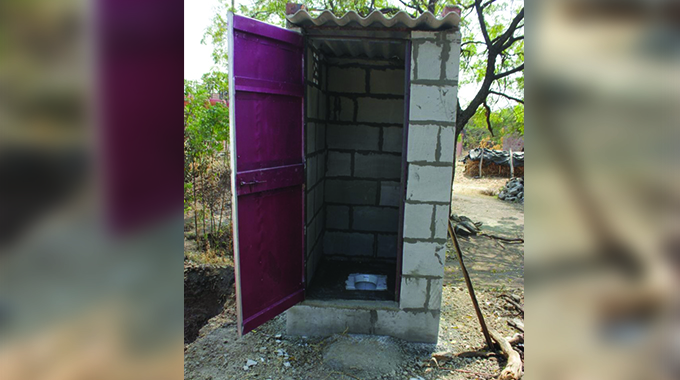
Fairness Moyana, recently in Binga
SOME communities in Binga in Matabeleland North have embarked on various initiatives that include the construction of low-cost self-supply latrines as part of efforts to address the issue of open defecation in the district.
According to the latest ZimLAC report, Binga District has 80 percent of people defecating in the open. Communities in Kariangwe and Lusulu are making significant strides in transforming their communities into open defecation-free areas. They are constructing self-supply latrines, community health clubs and training of latrine builders.
Speaking during Amalima Day celebrations in Sikomena last Thursday, Binga district social services officer, Mr Norman Muleya said the district’s water and sanitation outlook remains critical with people still practicing open defecation.
“The district’s water and sanitation remains dire. People still practice open defecation. The district’s average coverage sits at 12,5 percent and the situation does not look good,” he said.
“For example, Ward 23 with a total of 1 773 households, 99 of these have sanitation facilities, which bring us to around plus or minus 6 percent.”
The 2023 ZimLAC report states that 80 percent of people in Binga District defecate in the open.
“However, the Kariangwe cluster made significant strides in turning their communities into open defecation-free communities as evidenced by the construction of 52 self-supply latrines, the establishment of 78 community health clubs and training of 60 latrine builders,” said Muleya.
He said the presence of more trained builders had reduced the cost of latrine construction from an average of US$120 to US$50 while creating a viable livelihood option for builders to diversify their income through acquired entrepreneurial skills.
“Much still needs to be done in creating open defecation-free communities and this is not the work of one individual or household but coming up together as communities, traditional leaders and stakeholders to transform Binga into an Open Defecation Free district,” said Mr Muleya .
“Similarly, the provision of clean and portable water remains dire, some communities still use unsafe sources of water, and boreholes are very few and far apart to the extent that some communities walk long distances to get water.”
Mr Muleya said the drilling of boreholes and construction of earth dams remains an option for the district.


 Online Reporter