Online Reporter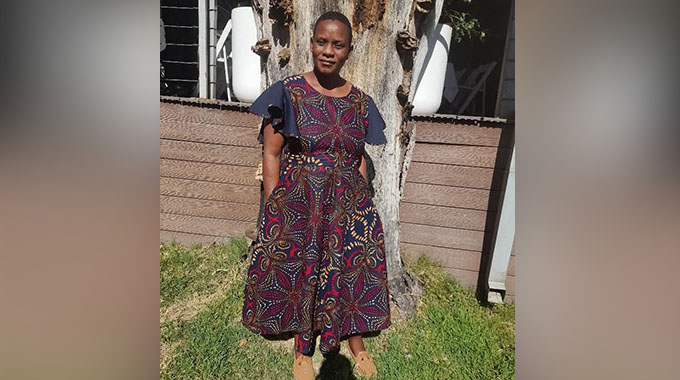
Robin Muchetu, Health and Gender Editor
MRS Danisa Mudimba, Programmes Manager at the Basilwizi Trust in Binga, is spearheading sustainable socio-economic development initiatives aimed at empowering the communities of the Zambezi Valley. Established in 2002, the trust focuses on building capacity among the Tonga and Korekore people, including youth, the elderly, and those with disabilities, to help them identify and address their challenges and ultimately alleviate poverty.
Under Mrs Mudimba’s leadership, the trust has successfully implemented several programmes, notably a mentorship scheme that has enabled young people from Binga District to pursue further education.
Basilwizi Trust operates across four key thematic areas: Education and culture, which remains the foundational pillar; governance, human rights and social justice; sustainable livelihoods; and water and sanitation. The education and culture programme was the initial priority identified by local communities in the Zambezi Valley, driven by concerns over language, identity, and the perceived marginalisation of the Tonga people. All four thematic areas are now actively being addressed by the trust.
“We have the Orphans and Vulnerable Children project, supported by Unicef and the National Aids Council (NAC), and another focused on child protection in the Zambezi Valley. These long-term projects revealed that many school dropouts were due to early pregnancies. After giving birth, most girls never returned to school due to poverty. Parents couldn’t afford to send them back while also caring for the babies,” said Mrs Mudimba.
This prompted Basilwizi Trust to develop strategies to address teenage pregnancies.
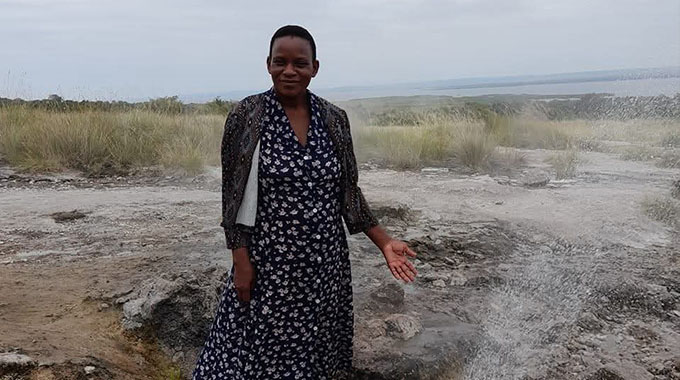
“We approached our funding partners under the Partnership for Social Accountability project to support this initiative. Our goal is to improve access to sexual and reproductive health services at rural health centres close to where young people live, to reduce unwanted pregnancies and early marriages.
“We found that many young people lacked information about sexual health and were vulnerable to abuse by peers or older men,” she explained.
From 2019 to 2022, the projects were implemented in Simatelele and Siansundu wards. In 2023, Basilwizi Trust integrated agriculture and health into its programming as part of climate change awareness.
“We discovered a link between sexual and reproductive health rights, food security, and climate change. In times of hunger, girls often believe marriage is a solution, but it can worsen their situation. Hunger is temporary, but early marriage can be difficult to escape. In drought conditions, some parents marry off their daughters to receive lobola, using it as a survival strategy,” Mrs Mudimba lamented.
To ensure their messages are understood and implemented, the trust uses various approaches, including mentorship. Adolescent girls and young women are prioritised in a 60:40 ratio with boys, recognising that girls are more affected.
“If girls don’t access sexual and reproductive health services, they face early pregnancies and bear the consequences more than boys. However, the community advised us that targeting girls alone wouldn’t work. Boys are also involved in these relationships, so it’s essential to educate them too,” she said.
Each trained mentor identifies and trains 25 young people (aged 10–24) in their communities on sexual and reproductive health rights. They are also trained in budget consultations to encourage youth participation in local governance. Additionally, some youths have been trained to start agricultural projects to combat hunger and mitigate climate change impacts in the district.
Mrs Mudimba said the trust also uses Community Score Cards to monitor service delivery.
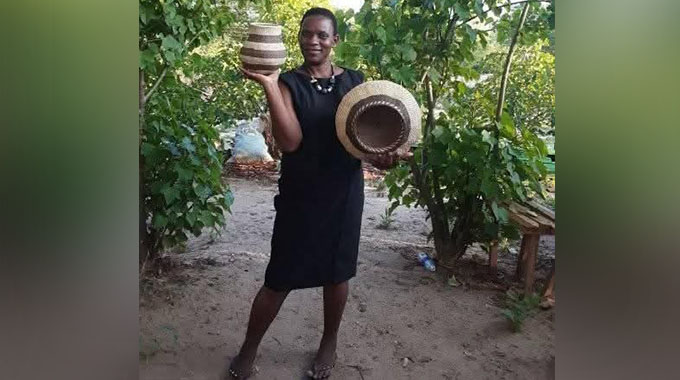
The scorecards revealed several gaps in the health sector, including the absence of safe spaces for girls to discuss sexual and reproductive health, and a lack of accessible information on these topics.
Initially, some parents were sceptical, fearing their children were being misinformed.
“We asked the community if they were supporting girls who had dropped out of school due to pregnancy. They said yes. Over time, they saw the benefits of the programme. Our second scorecard reflected positive feedback from stakeholders,” she said.
As a result of these interventions, two young people (one male and one female) from Binga now sit on health centre committees where Basilwizi Trust operates, representing youth interests in health matters — something that had not happened before.
These empowered youths also participate in village and ward planning meetings, ensuring their voices are heard.



 derick.khumalo