admin
admin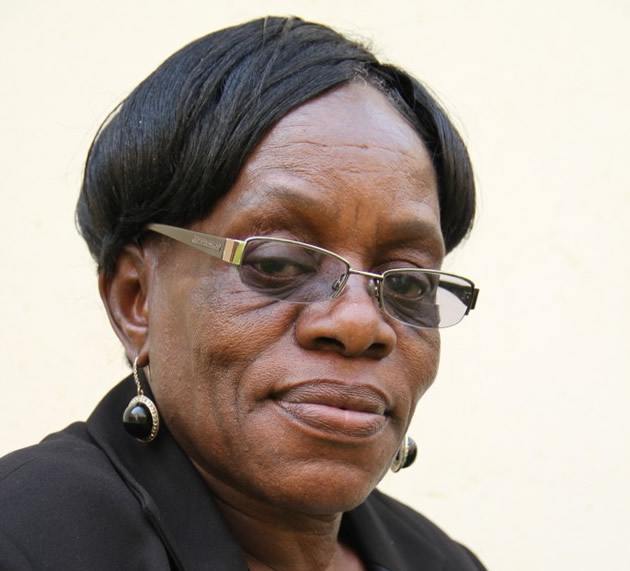
 THE government has launched the National Bio-fuels Policy, which is expected to reduce Zimbabwe’s dependence on imported fuel and allow for the use of local non-renewable resources.
Speaking at the launch of the National Bio-fuels Policy, Deputy Minister of Energy and Power Development Tsitsi Muzenda said the production of bio-fuels could have a broad impact on the economy.
“Our country is a net importer of fossil fuel energy, its current requirements are about 2,5 million and 1,5 million litres of diesel and petrol per day respectively.
Widespread use of bio-fuels can therefore reduce the country’s dependence on imported petroleum products, stabilise fuel prices, ensure energy security to promote rural development and investment, reduce poverty and create employment,” she said.
Currently the government has established bio-diesel processing plants with capabilities of handling 10,000 litres per day in Mutoko and 60,000 litres per day at Mt Hampden, which are then partnered with Greenfuel to produce sugarcane based bio-ethanol fuel.
Muzenda said the National Bio-fuels Policy will spearhead the use of local resources and implement the operations local bio manufacturing plants in the country. In 2013 the government introduced a mandatory five percent blending of bio-ethanol with petrol, which was then raised to 15 percent last year.
Establishment of the policy was supported by the European Union in support of the country’s fuel sector.
Muzenda added that the policy was in line with the EU’s Renewable Energy Directive of 2009 which set targets for the consumption of renewable energy in the EU’s transport sector from 2 percent in 2005 to 6 percent in 2010 and eventually 10 percent in 2020.
“Such global developments have opened opportunities for bio-fuels investments in developing countries such as Zimbabwe that have suitable land and water requirements,” said Muzenda.
The National Bio-fuels Policy will now undergo the consultative process for three months both locally and internationally before being submitted to Cabinet in May for approval.- BH24.



 Online Reporter