Chronicle Editor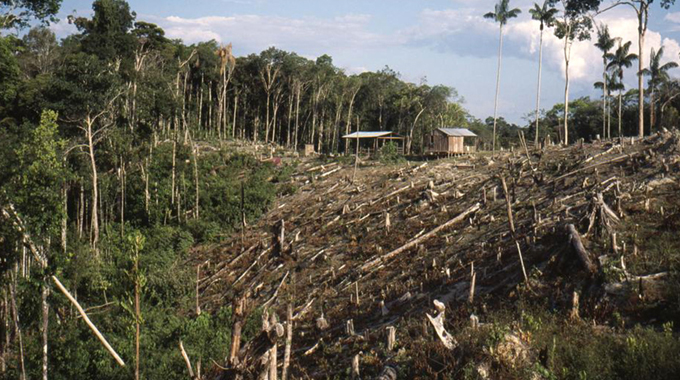
Fortunes Matutu, Correspondent
BIODIVERSITY preservation is the solution to many of the sustainable development challenges we face today. It contributes to sustainable development by maintaining a healthy, productive, and resilient natural ecosystem as well as providing essential resources and services.
Biodiversity is the variety of plant and animal life in a particular place. It consists of three features that are interconnected: species diversity, ecosystem diversity, and genetic diversity. The more interconnected the features are, the denser and more resilient the system is.
Many urban settlers view flora and fauna as hindrances to living a healthy lifestyle while rural dwellers view nature as free resources that should be exploited bounteously. Some people are frightened by nature, and some would do anything to avoid it.
It is a fact, however, that biodiversity is vital for us all. The enormous variety and complex interactions between species, no matter how small or insignificant they might seem, keep our ecosystems functional and make our economies productive.
Maintaining biodiversity ensures that nature provides nutritious food, clean air, water, secures livelihoods, mitigates climate change and acts as a buffer against extreme weather events. The air we breathe, the water we drink and the food we eat all ultimately rely on biodiversity.
There are many new medicines being derived from nature, such as traditional African medicine that is largely derived from trees. Biodiversity offers nature-based solutions for climate change, health issues, food security, water security and sustainable livelihoods. In spite of the importance of biodiversity, humans are destroying it. While it may seem as if our planet system is permanent, it is susceptible to collapse.
There has been a significant loss of biodiversity in Zimbabwe over the past decade due to habitat destruction from urban, agricultural and mining expansion; unsustainable harvesting of natural resources, wildlife poaching, deforestation, invasive alien species and climate change. Habitat destruction has a major impact on species populations because it deprives species of what they are naturally accustomed to.
This makes the species isolated, reduces the area where they can live, and creates new ecological boundaries.
In the case of amacimbi, mopane trees are cut down for timber, construction materials, and firewood, putting pressure on their existence.
During amacimbi harvesting, some people cut down the same mopane tree for access while others cut it down for firewood. All this has a negative impact and threatens the existence of mopane worms.
Over the past decade, there has been a shift from harvesting mopane worms for subsistence to trading them in both rural and urban markets. The increasing importance of the mopane worms as a commodity of trade has caused overexploitation of the insect and destruction of the mopane tree.
Macimbi only feed on mopane worm leaves. In their absence, they are left to die of starvation. Mopane worms have been found in other tree species and even crops in unsuccessful attempts to find alternative sources of food.
The occurrence of mopane worms has become unpredictable and unreliable due to deforestation, soil disturbance, and structural changes to mopane woodlands. There have been reports of mopane worms dying because there is not enough forage (leaves). With the degrading condition of mopane woodlands, we are observing a new phenomenon of mopane worms dying after they finish eating all the leaves.
Macimbi are not only a source of food and income but also an important part of the mopane woodland ecosystem. Ecologically, they convert plant matter into nutrients so that they are available to other animals and plants.
Deforestation can cause biodiversity loss when animals that depend on trees for their existence lose their habitat and food.
Forest loss does not simply mean all biodiversity is wiped out, but it often results in a significant change in the mix of species since some species will thrive while others will be lost and others become fragile.
Biodiversity loss and habitat destruction not only affect flora and fauna but greatly affect human beings as well.
Several studies have shown a link between nature destruction, subsequent loss of biodiversity and increased risk of zoonoses — an infectious disease that jumps from a non-human animal to humans. Pathogens thrive where there are changes in the environment, like deforestation, and when natural ecosystems are under stress from human activity. The Covid-19 pandemic is a reminder of the close relationship between human and planetary health. It is estimated that 70 percent of all emerging infectious diseases are zoonotic.
A degraded ecosystem exposes an area to natural disasters like floods, droughts, crop failure, disease spread, and water contamination. In contrast, a healthy ecosystem with good management practices reduces the chances of these events happening or at least reduces the negative impacts.
Loss of biodiversity also increases human-wildlife conflict because species without adequate habitat are forced to come into contact with humans.
Poaching and unsustainable hunting for food is another major factor. When people hunt down wildlife, they force their prey to kill their livestock in order to survive. As part of hunting, people also cause habitat destruction by deliberately starting veld fires.
Hunters light veld fires to flush out wild animals and mice so that they can be caught more easily. These veld fires subsequently cause extensive damage leading to loss of biodiversity.
Biodiversity is important in ensuring food security. An ecosystem that is well-kept supplies clean water, protects and improves the soil for crops, recovers nutrients, provides alternative food sources and maintains the climate. Therefore, it is necessary to shift towards a more sustainable future through biodiversity preservation.
Biodiversity preservation means finding ways to coexist with other living organisms without harming them.
To protect forests, water bodies, and wildlife habitats, we must consider diverse habitats in our land-use systems, agriculture practices and socioeconomic activities.
Biodiversity — “Building a shared future for all life”.
Fortunes Matutu is a forester with the Forestry Commission and has a special interest in social forestry.


 Online Reporter