Chronicle Editor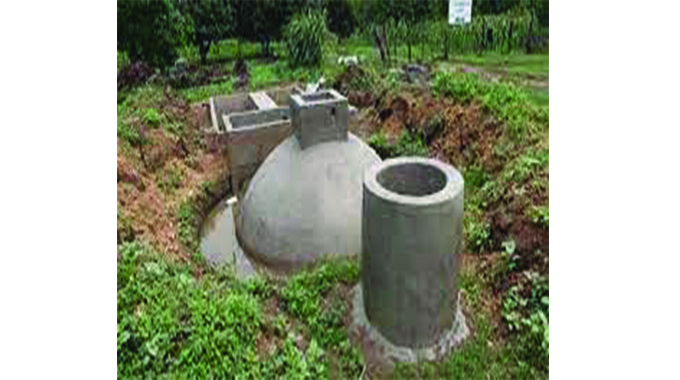
Judith Phiri, Business Reporter
RURAL communities in Umguza District have resorted to biogas technology for their cooking and lighting energy needs which has effectively reduced the effects of deforestation.
Most rural communities, have since time immemorial, solely relied on firewood for heating and the cutting down of trees had now become a worrying problem. The biogas technology, is the process of producing energy by fermenting cow dung and waste products to produce a gas, and is gaining popularity in most rural households across Zimbabwe thereby saving trees. A farmer in Mazizini Village in Nyamandlovu of Umguza District, Mr Ndabezinhle Nkomo who is also the chairperson for the livestock development committee in the area said ever since he benefitted from the biogas digester demonstration last year, under the ZAGP-BEST project, his life has changed.
“I benefitted from the Beef Enterprise Strengthening and Transformation (BEST) project last year when l was chosen by fellow community members to host a biogas digester demonstration in the district. With biogas l can now cook anytime without having to go and look for firewood. I can manage to take my hypertension medication on time without failure,” said Mr Nkomo.
With 84 cattle, he said he never runs out of cow dung need for his digester. Mr Nkomo said each morning he puts a two 20-litre buckets full of cow dung and the same ratio for water, which can produce enough gas for the day.
“With at least 20 cattle a person can manage to get a biogas digester. However, some of the challenges people are facing in this village is access to finance to have their digesters constructed. Another thing our area is very rocky making it difficult to dig the digester pit.”
Mr Nkomo said with time he was hoping that most people in the village adopt the clean smart technology as a source of energy to preserve trees. He said biogas also reduces the time spent by women fetching firewood which allows them to spend more time on other productive work.
Mazizini Village 2 Head, Mr Killiot Ndlovu said thar most of the villagers learnt a lot when Mr Nkomo’s digester was constructed and they anticipate to adopt the same concept soon. “Villagers managed to see and learn when Mr Nkomo’s biogas digester was developed.
It’s a concept we anticipate to adopt throughout the village but resource mobilisation is a challenge that the people are faced with,” said Mr Ndlovu. He said whilst most people had the required number of cattle needed for an average sized biogas digester, they were appealing for financial assistance to be able to have the digesters constructed for them.
Mr Ndlovu said biogas technology would go a long way to preserve the environment and reduce the cutting down of trees which was contributing to the effects of climate change. The purpose for biogas demonstration under the BEST project is to provide green economic growth options for agriculture that can reduce deforestation for firewood and to reduce the potential emission of methane gas into the atmosphere. Methane gas is one of the greenhouse gases that contributes to global climate change.
BEST project is one of the six projects that are supported by the 40 million Euros funding from the European Union (EU) under the Zimbabwe Agricultural Growth Programme (ZAGP). The project is being implemented in five provinces of Zimbabwe: Manicaland, Masvingo, Mashonaland Central, Midlands and Matabeleland North.



 Online Reporter