Online Reporter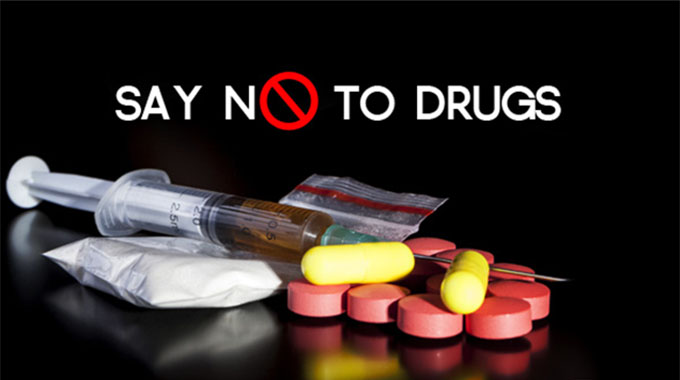
Stephen Mpofu, Perspective
LAW enforcement agents in Zimbabwe, like police officers across the globe, cannot be everywhere at once. Their efforts to maintain peace, order, and stability — essential ingredients for national development — require the vigilant and patriotic eyes of fellow citizens to help stamp out criminal elements that stand as obstacles to progress and a brighter future.
In our beloved motherland, Zimbabwe, teenage pregnancies and drug and substance abuse among young people have emerged as serious impediments to the government’s development mantra: “Ilizwe lakhiwa ngabanikazi balo/ Nyika inovakwa nevene vayo/ A country is built by its owners.”
These harmful behaviours threaten the vision of a prosperous, peaceful, and developed nation.
Bulawayo Provincial Affairs and Devolution Minister Judith Ncube recently painted a sobering picture of the crisis, warning that without urgent and collective action, Zimbabwe risks losing an entire generation to early motherhood and substance dependency.
She highlighted disturbing cases of teenage girls as young as thirteen becoming mothers and dropping out of school — education being the key to a better future.
Similarly, drug and substance abuse is derailing the lives of young people, pushing them out of the education system and away from opportunities to contribute meaningfully to national development.
These challenges are not confined to Bulawayo alone. Teenage pregnancies and drug abuse are prevalent in other urban centres and, undoubtedly, in rural areas across Zimbabwe.
This widespread menace calls for coordinated national action against those who exploit young girls and those who peddle harmful substances in our communities.
In a speech published earlier this week, Minister Ncube urged the church to strengthen its role in safeguarding the nation’s future. Her call was echoed by national police spokesperson, Commissioner Paul , who urged citizens in both urban and rural areas to report drug traffickers to the police so that the law can take its course.

It is known, for instance, that some women are selling foodstuffs laced with drugs to schoolchildren — an act that severely compromises their ability to learn and grow into productive citizens.
Such practices are not only criminal but morally reprehensible, and those responsible must be reported and held accountable.
Given the gravity of these issues, should Parliament not consider introducing punitive legislation against those responsible for teenage pregnancies and the distribution of dangerous substances to young people?
For such individuals, profit appears to matter more than the lives and futures of the youth — who are meant to be the builders of tomorrow’s Zimbabwe.
In conclusion, this communicologist humbly believes that the current generation must serve as a bridge to future generations — citizens who uphold law and order and actively contribute to the political, social, and economic development of our nation for the benefit of all.