

 admin
admin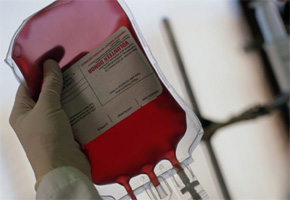
“NBSZ needs money to collect, process, store and distribute the blood and these funds must come from hospitals. It is important for us to control these outstanding debts to sustain our operations.”
Ms Massundah lambasted the hospitals, saying they were charging patients cash for blood, yet they were failing to pay for the blood they supplied them.
“We are not a profit-making organisation and we must be paid for the blood we supply to hospitals. Most hospitals charge cash for blood, but they do not remit the money to us. “While we understand that blood is an important component which hospitals cannot do without, it is important that they pay so that we also pay our debts. We also need money to run the organisation smoothly,” said Ms Massundah.
She said hospitals were, however, welcome to make payment plans with NBSZ.
“There is, however, room for payment plans. Hospitals can approach us and explain their positions before we can discuss and come up with a payment plan that will leave both parties happy,” she said.
United Bulawayo Hospitals (UBH) is one of the affected institutions which is fast running out of blood stocks.
The hospital was ordered to clear its $40 000 debt before it could buy more blood for its patients.
An official at the hospital, who spoke on condition of anonymity, yesterday said blood stocks were running low and did not have money to buy more from NBSZ.
“The hospital is in a dilemma. We owed NBSZ about $40 000 and we paid $34 000, leaving a balance of $6 000. When we approached NBSZ to purchase more blood for the hospital, we were told to clear the bill first and also pay cash for the new stock,” said the official.
“This is not fair because blood is a very critical component that the hospital cannot do without. NBSZ is demanding cash for blood yet Government hospitals like UBH cannot afford to pay cash all the time. We do not have an idea of what we are going to do when the blood stocks we have run out.”
However, Mpilo Central Hospital chief executive officer, Dr Lawrence Mantiziba, said the hospital was not affected by the development, as it pays for its blood stocks.
“I am aware of the new development, but we do not have a problem because we have been paying for our blood stocks,” said Dr Mantiziba.


 Online Reporter
 derick.khumalo