admin
admin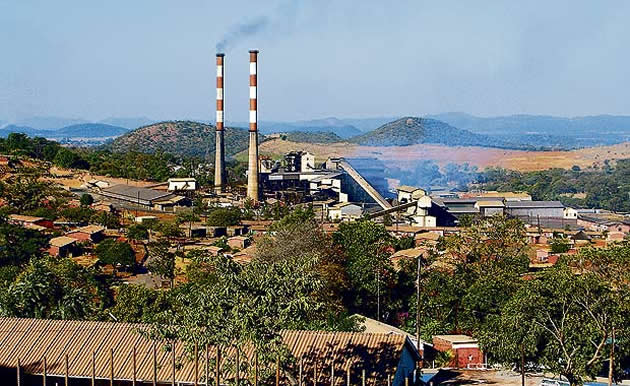
 Harare Bureau
BINDURA Nickel Corporation (BNC)will engage power utility, Zesa Holdings, for a tariff review to avoid a sharp increase in the cost of energy when it restarts its smelter. London listed Mwana Africa’s nickel producer and processing unit plans to restart the smelter, at a cost of $26 million, an amount endorsed by an independent consultant as viable.
Chief executive Batirai Manhando yesterday said the smelter would certainly consume more energy and the cost of power would definitely be an issue. “The smelter needs more power. We will engage authorities and see if we can get a favourable tariff to operate the business profitably,” Manhando said.
BNC early this month said it will report a higher profit in its full year results on June 30 following resumption of nickel production at its Trojan Mine.
The BNC CEO expressed confidence that the power utility would be able to meet its requirements despite the fact that it currently has limited capacity to meet national demand for electricity.
“We will need a lot more power with a smelter and the tariff becomes an issue. We will definitely engage authorities to see if we can get something.”
According to a report by independent consultant Hatch Globa, BNC’s smelter has installed consumption capacity of 14 megawatts, which would demand ring fenced supply arrangements with Zesa.
This is because Zesa can only generate about 1,200MW against national demand for electricity of 2,200MW during peak periods of power consumption.
According to Hatch, the current electrical pricing assumption by BNC is 10,3USc/kWhr. BNC’s average tariff for the past 6 months has been 6,9USc/kWhr based on the commodity price linked tariff agreement between BNC and the power utility. The smelter, to be completed during the first half of 2015, would offer “significant” financial and strategic benefits to BNC contributing to cash flows in 2016.
Mwana Africa said the Trojan concentrate production will be 106,677 tonnes per annum with spare capacity on the smelter to treat third-party material. The smelter is scheduled to restart operations in the first half of 2015, if everything goes according to plan.


 Online Reporter