Sundaymail Editor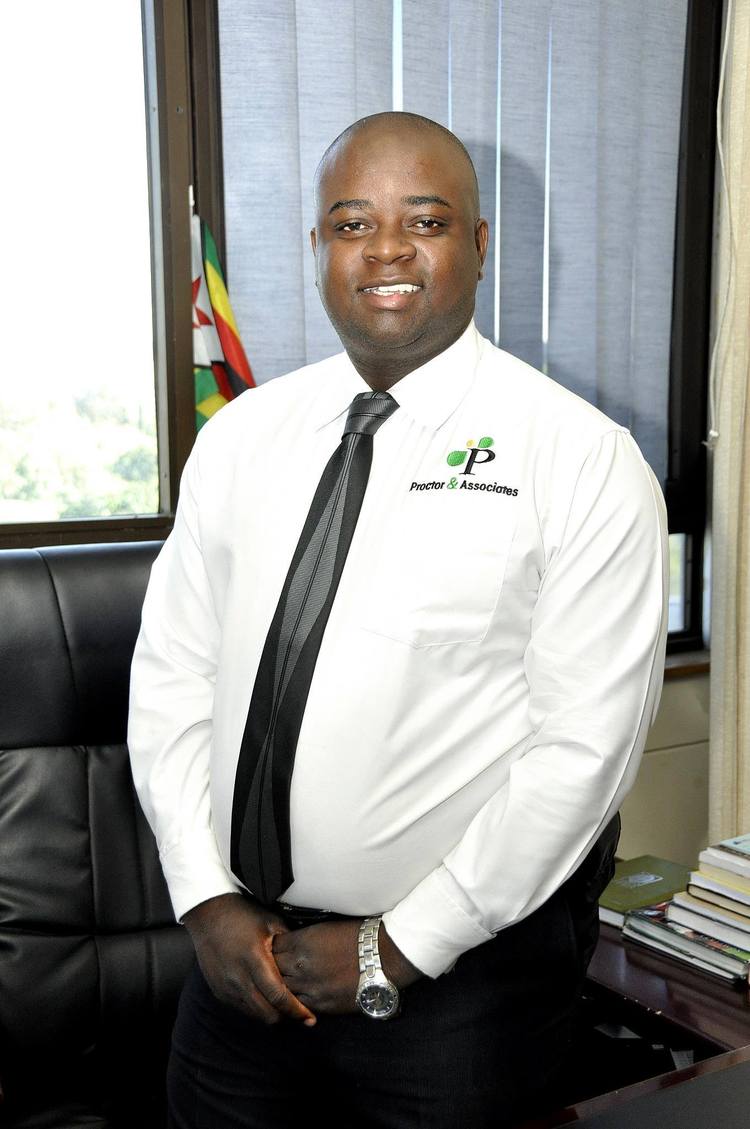
FORENSIC and fraud investigation expert Mr Proctor Nyemba believes the most ineffective boards are found in non-governmental organisations (NGOs) and public entities as most of them are appointed only for window-dressing purposes.
The managing director of the Internal Control Institute of Zimbabwe, which recently convened an Internal Control Congress for Africa, also notes that boardroom politics is perhaps one of the biggest plagues for local companies.
The country has in its recent history witnessed revelations of gratuitous corporate governance malpractices, especially in public entities.
Crucially, most boards, which are supposed to provide oversight, were accused of being complicit with cunning executives.
“When you get the opportunity of being a board member, you realise how boardroom politics is the number one killer of businesses. The most ineffective boards are NGOs and public entities. These organisations have board members just for window dressing.
“They want to project a picture of being ”well governed” to access funds or financing. The biggest joke is the fact that most CEOs handpick most board members.
“If you are a board member in some organisation, it is likely that the managing director invited you to sit on the board. Although these positions attract no salary, they come with lots of perks. For example, I know of a company where the sitting allowance is about US$500 per hour per person. With that kind of untaxed allowance, does one really need a job?” opined Mr Nyemba in a recent report.
It is also believed that some company’s top honchos even strategically compromise board members with freebies such as mobile phones, airtime and fuel.
As a result, the tendency of being loyal to the chief executive officer, instead of shareholders, inevitably makes the majority of boards ineffective.
There are also anomalies where one person sits on multiple boards.
It is argued that some individuals sit on over 10 different boards.
“Yes, we need board of directors that can speak the ‘politics’ of business, fix ‘strategic challenges’ and bring big business. But you need to mix them for long-term sustainability. These folks in retirement, or nearing there, don’t have time for business sustainability. They are more focused on ‘harvesting’ or retiring their investments than ‘growing’ the business. They are more focused on the present than the future success of the business.
“Plus the top business drivers are information technology, information security, human resources, and fraud management. All these are things that change often and need fresh insights from people who read a lot of current stuff.
“For best results, regardless of your business or industry, the average age of your Board of Directors should be 35 at minimum. This ensures mentorship and business sustainability. Otherwise, seemingly easy decisions will take time. As the folks cannot comprehend the concepts.
Look forward to reduced influence of the CEO on the board. This can come if the guys on your board are young, financially stable and very ambitious in their own right,” said Mr Nyemba.
Experts say there is aberration in modern business practice, especially where most board meetings become brain-storming sessions instead of decision-making processes.
Added Mr Nyemba: “I used to admire being a board member until I got an opportunity to become one. Of course, there are few companies where you can provide insights to grow the business. I look forward to being on such boards. Once I see a company has more than 15 members, I get concerned. I don’t think you can take great decisions with such big numbers.
“Otherwise, most boards are not effective. And there is no accountability on the board, other than reporting on their attendance.
“There is need for better evaluation methods to assess the effectiveness of each board member in terms of their key deliverables. Hiding behind the cover of risk management and oversight is not enough. There should be something concrete. Otherwise, it is another window-dressing project.”



 Online Reporter