Online Reporter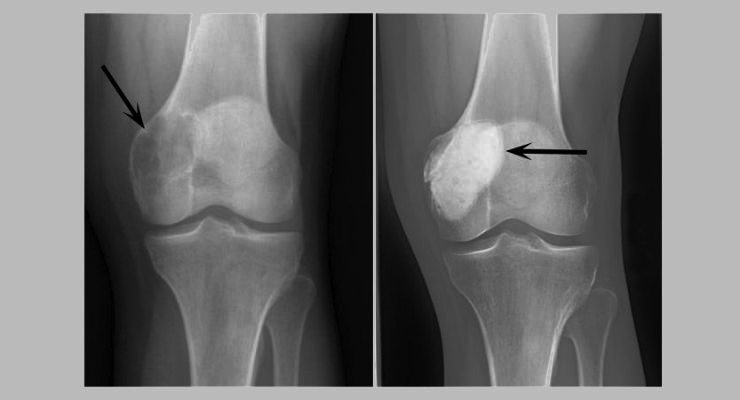
Dr Tendai Zuze
Health Matters
THE other day, someone reminded me that July is Bone Cancer awareness month.
My first thought was that bone cancer is one of those diseases we rarely talk about. Most people know about breast, prostate or cervical cancers, but very few stop to think about cancer that starts in the bones.
The good news is that bone cancer is uncommon. The challenge, however, is that because it is uncommon, its symptoms can easily be mistaken for something much less serious.
This sometimes leads to delays in diagnosis.
Many of us have experienced bone or joint pain at some point in our lives. We blame it on ageing, a sporting injury, hard physical work or simply “sleeping the wrong way.” In most cases, we are right.
Bone cancer is not the most likely cause of pain. But it is important to know when pain deserves a closer look.
One of the earliest and most common symptoms of bone cancer is pain that does not go away. At first, it may come and go. It may only be noticeable at night or after physical activity. As time passes, the pain often becomes more frequent and more severe. Eventually, it may become constant and begin to interfere with sleep or normal daily activities.
Occasionally, a bone weakened by cancer can break after a relatively minor injury or even during normal daily activities. This is known as a pathological fracture. While such fractures are uncommon, they should always prompt careful medical assessment to determine why the bone was so fragile.
Children and teenagers can also develop bone cancer, although it remains rare. This can create another challenge because bone pain in growing children is often dismissed as “growing pains” or sports-related injuries. While growing pains are common and usually harmless, persistent pain that keeps a child awake at night, causes limping, or is associated with swelling should never be ignored.
Adults face a different problem. Bone pain is frequently attributed to arthritis, back problems, tendon injuries or old fractures. These are indeed much more common than bone cancer.
However, when pain persists despite treatment, continues to worsen, or is accompanied by swelling or unexplained weight loss, further investigation is important rather than simply changing painkillers. It is also worth remembering that not every cancer found in a bone actually started there. In fact, cancers that spread to the bones from other organs such as the breast, prostate, lung, kidney or thyroid are far more common than cancers that originate in the bone itself. Persistent bone pain in someone who has previously been treated for cancer should therefore always be taken seriously.
Doctors use several tools to investigate suspected bone cancer. An X-ray is often the first step and may reveal changes in the bone. Depending on the findings, further tests such as CT scans, MRI scans, bone scans or blood tests may be needed. The final diagnosis usually requires a biopsy, where a small sample of tissue is examined under a microscope.
Treatment depends on the type and stage of the cancer. It may involve surgery, chemotherapy, radiotherapy or a combination of these treatments. Advances in cancer care over the years mean that many patients now have better outcomes than in the past, particularly when the disease is diagnosed early.
The purpose of Bone Cancer Awareness Month is not to make everyone worry that every ache or pain is cancer. Most bone pain is caused by conditions that are far more common and far less serious. The message is simply that pain which persists, worsens, occurs mainly at night, or is associated with swelling or an unexplained fracture deserves proper medical attention.
Our bodies often tell us when something is not right. The important thing is to listen. While bone cancer is rare, recognising the warning signs and seeking medical advice early can make a significant difference. As with many illnesses, early diagnosis offers the best chance of successful treatment. Sometimes the greatest mistake is not thinking of a condition simply because it is uncommon.
For more on bone cancer, contact [email protected]