Online Reporter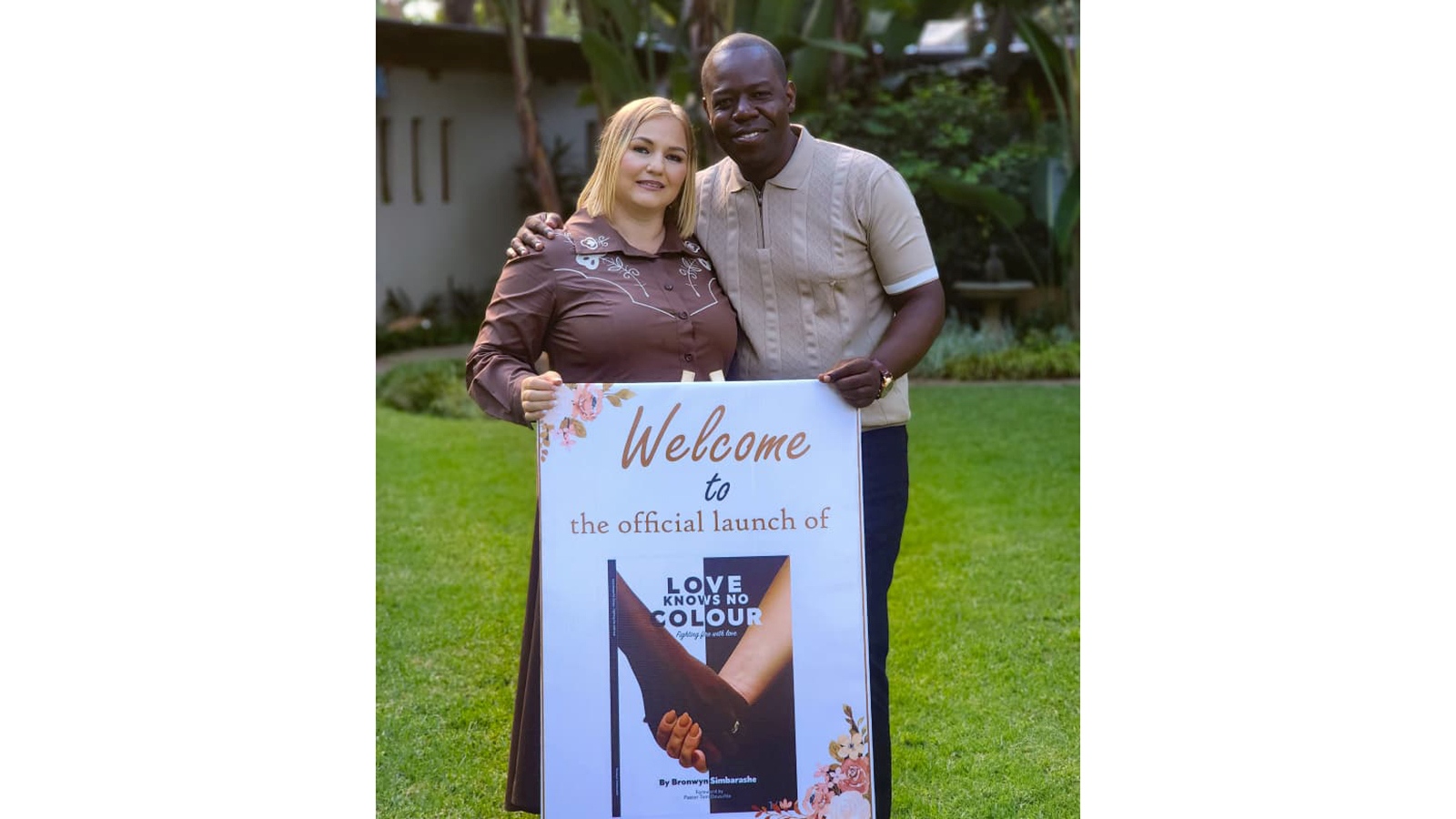
Takunda Gambiza
Herald Reporter
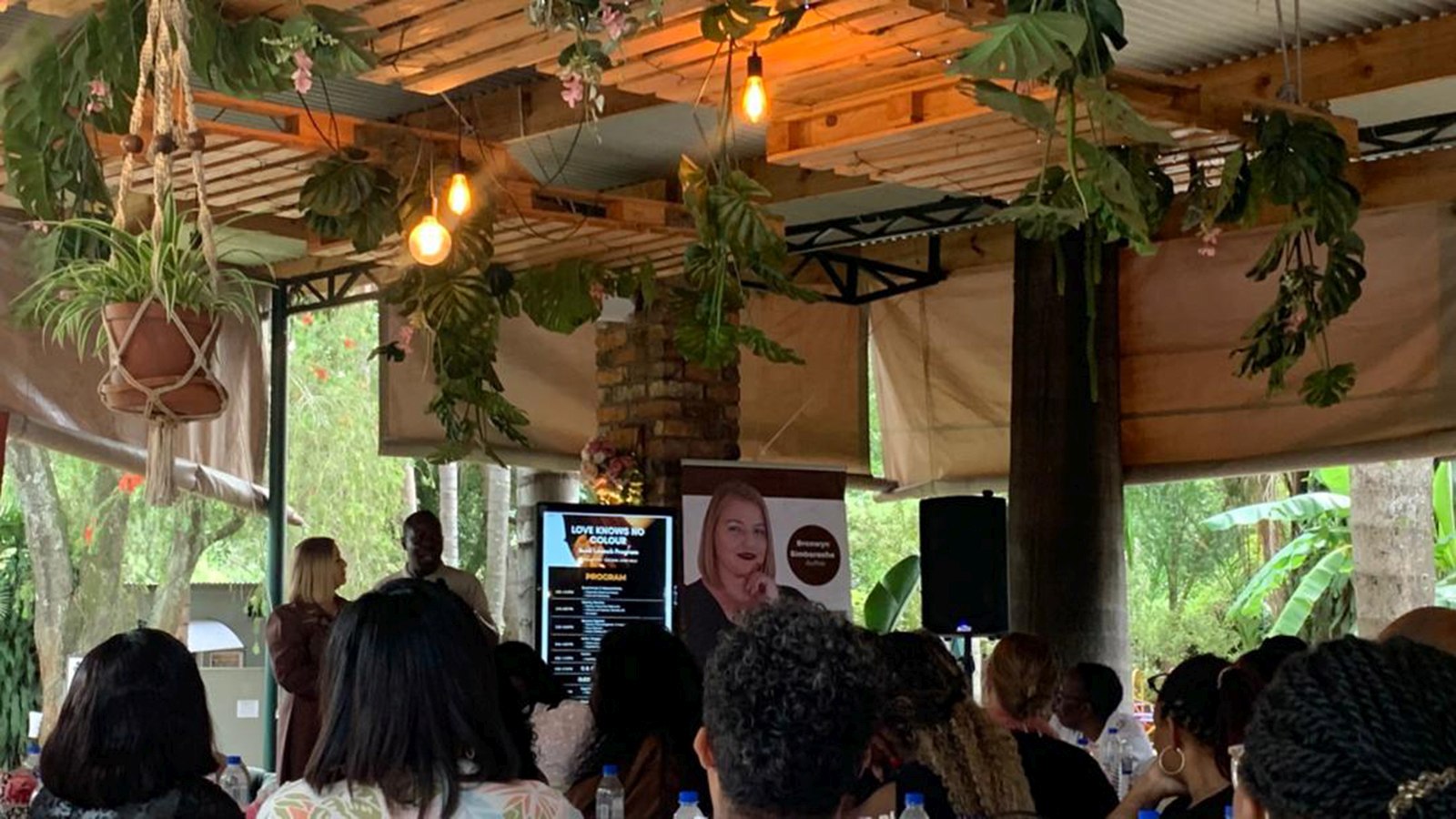
A NEW book exploring interracial love, faith and identity was launched in Harare on Saturday, with author Bronwyn Simbarashe saying the work seeks to promote acceptance and reconciliation in a divided world.
Love knows no colour was unveiled at an event attended by church leaders, readers and supporters.
Guest of honour, Jabula New Life Ministries International co-founder Pastor Chichi Bismark praised the book’s message of love as essential to healing social divisions.
Simbarashe described the book as a deeply personal narrative shaped by real-life experiences and observations from her own journey.
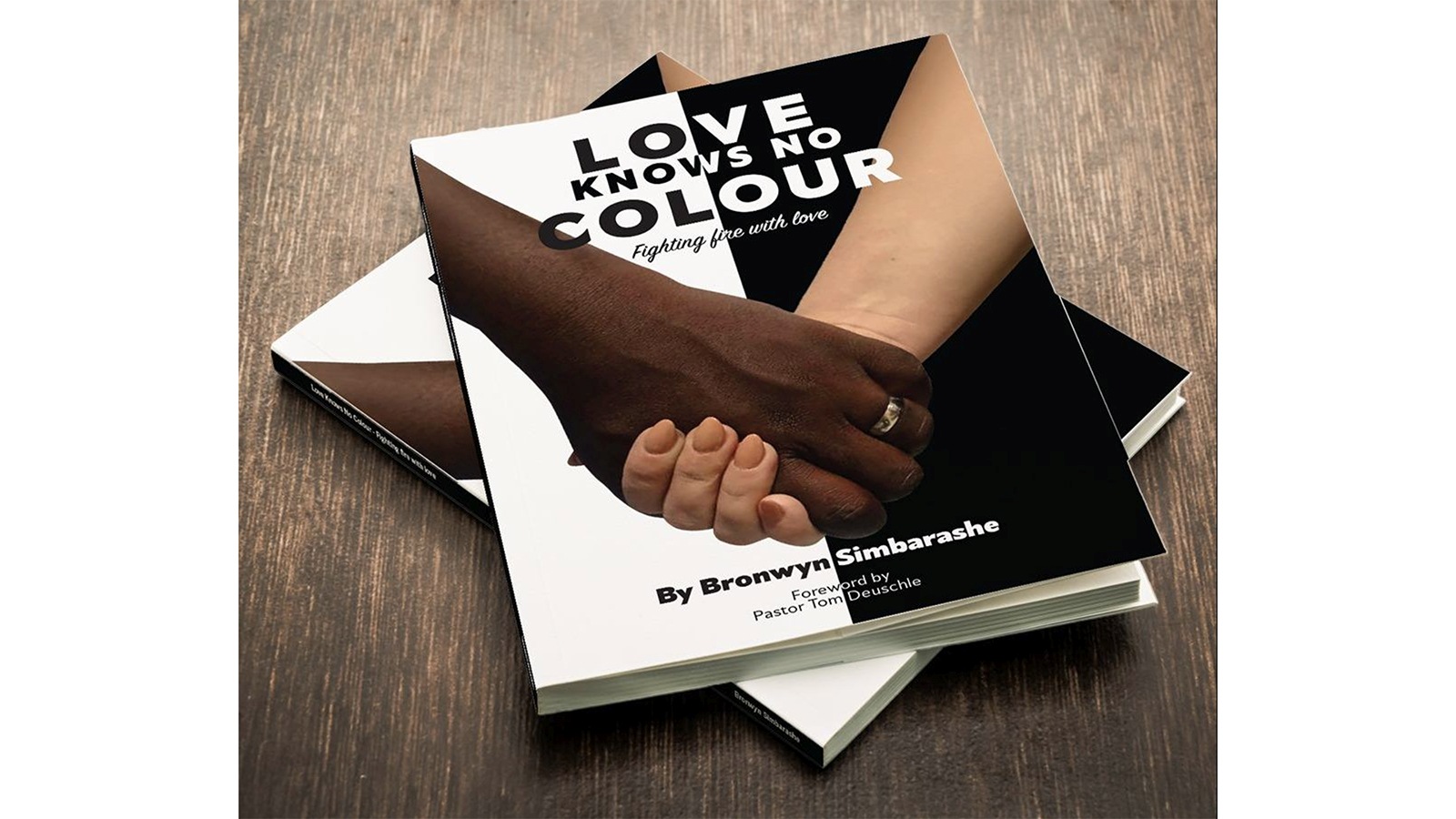
She said the story follows the emotional challenges of choosing love in the face of judgement and societal pressure.
“Love knows no colour is a powerful and intimate narrative that explores interracial love through the lens of faith, identity and resilience,” she said.
“It highlights that love when rooted in truth and grace, has the power to heal, unite and transform.”
The author said it was important to publish the book at a time when differences are often emphasised more than shared humanity.
She hopes readers will reflect on their beliefs and engage in conversations about identity, acceptance and understanding.
“This book is my way of contributing to that conversation gently, honestly and hopefully,” she said.
Mrs Simbarashe added that the title reflects love in its purest form, arguing that genuine love sees the person before social labels and challenges boundaries imposed by society.
The book took several years to complete, a process she described as both creative and emotionally transformative.
Pastor Bismark said she chose to support the launch because the theme of love is urgently needed in communities today.
She said greater compassion could reshape relationships within Zimbabwe and across the world.
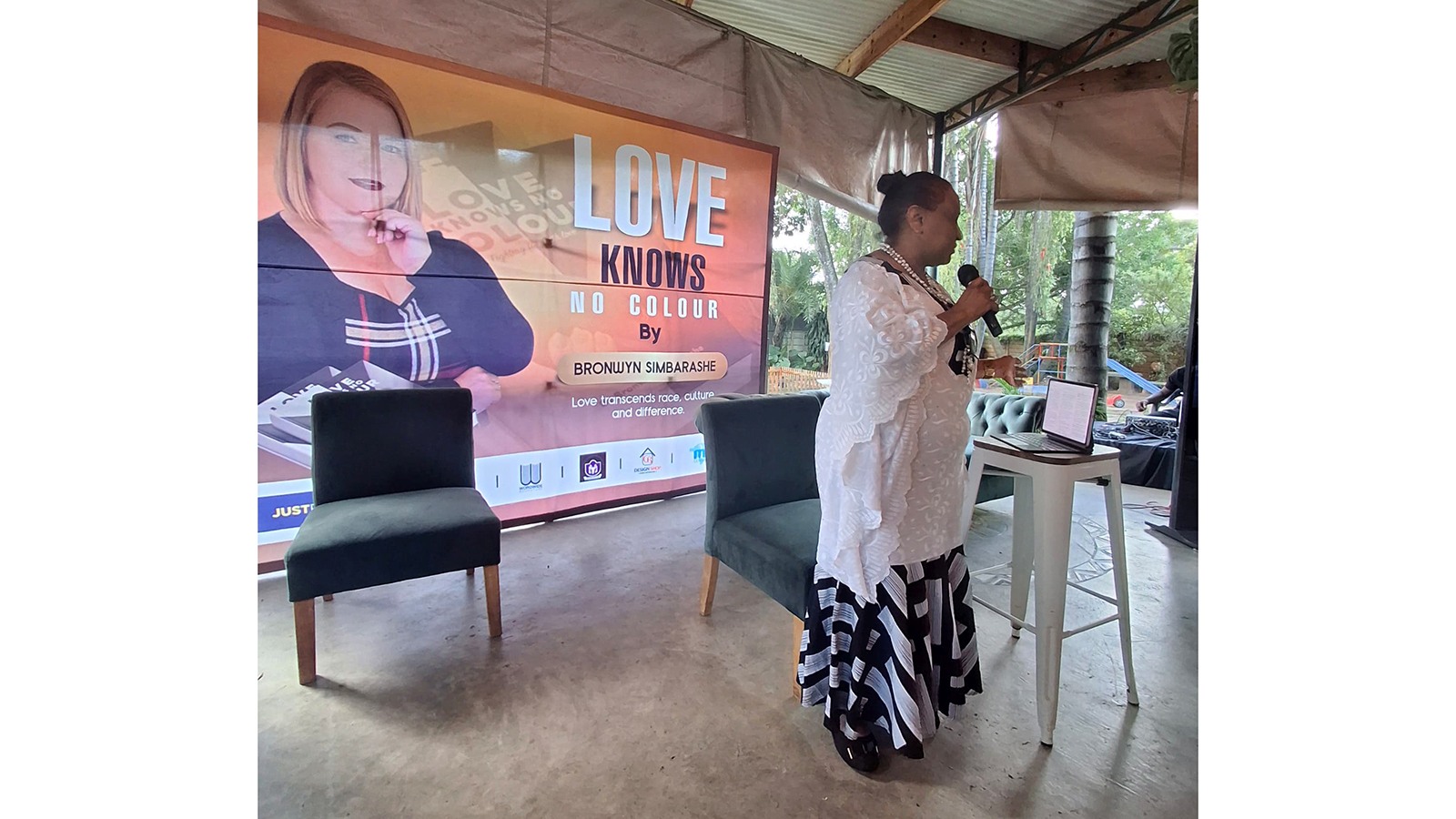
“Imagine if we had a whole lot of love in our Zimbabwe, in the nations surrounding, in our continent, throughout the world. Life would be different,” she said.
She urged communities to cultivate understanding by making a conscious effort to empathise with others.
According to Mrs Bismark, recognising shared human struggles makes acceptance easier and strengthens social bonds.
“It’s very easy to love… each one of us goes through our own challenges,” she said, adding that reaching out to vulnerable people helps bridge social gaps.
Simbarashe confirmed she plans to continue writing, saying storytelling has become a platform to explore faith, reconciliation and real-life experiences.
She described he book as the beginning of a broader effort to promote unity through literature.