

 admin
admin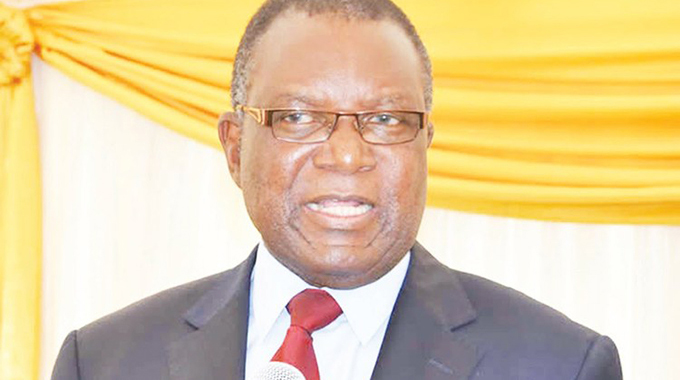
Thupeyo Muleya-Beitbridge Bureau
The Government has incorporated the skills transfer component to build the capacity of communal farmers and ensure sustainability of the ongoing Presidential Community Fisheries Scheme.
This was said by the President’s special advisor responsible for monitoring and evaluation, Dr Jorum Gumbo during a tour of the massive fisheries project at Zhovhe Dam, some 80 km west of Beitbridge town.
The Zhovhe Project has started producing start up fingerlings across four provinces as a way of promoting rural development and boosting food and nutrition security.
These include Matabeleland South, Matabeleland North, Midlands and Masvingo with the project running for five years in line with the National Development Strategy 1 (NDS1) and subject to further review.
The training and distribution of the breeding stock was done last year with over 20 000 fingerlings having already been distributed to fishing cooperatives at the Zhovhe Dam, Toppick Farm, Ndambe communal Irrigation Scheme phase 2 and resettlement farmers in Ward 14 of Beitbridge.
Under the project, the Government intends to stock the dam with over one million fingerlings as part of its long plans to drive rural transformation.
“This is a massive project we are witnessing here at Zhovhe Farm and a culmination of a successful partnership between the Government and Toppick Investments who are producing seed fish for thousands of Zimbabweans in four provinces,” said Dr Gumbo.
“We have incorporated the skills transfer concept into this project which will ensure there is continuity in our communities in the period post Government’s initial capital injection.
“Those trained on fish farming are not only getting the seed stock, but have also acquired life skills to better manage such projects and even teach fellow community members on better practice.”
He said the Presidential Fisheries scheme was a major driver towards the country attaining Vision 2030 by transforming rural communities to build a self-sustaining economy.
Zimbabwe is endowed with 10 000 dams and a conducive climate for fish production. Dr Gumbo said in Matabeleland South, the Government had partnered with Toppick Investment, the proprietors of Zhovhe Farm, to run the project.
“We are impressed with what we have seen at Zhovhe Farm, including the level of commitment by all the partners and as the Government, we are rolling out this fisheries initiative countrywide,” he said.
“Here at this farm, there are fish hatchery facilities and we are providing the stock and the actual knowledge on fish farming and aquaculture.
“The rural transformation of this area and province resonates with our President’s vision of not leaving anyone behind on national development matters.”
Matabeleland South Minister for provincial affairs and devolution, Dr Evelyn Ndlovu said the project had made a huge impact on women and the youth in the province who are benefiting through fisheries projects linked to irrigation and horticulture farming.
She said the support from the government and its partners was critical in turning around economic fortunes for most people in the four benefiting provinces.
“We commend the efforts to build the capacity of both individuals and cooperatives to increase production in our province,” said Dr Ndlovu.
“In fact, the restocking of community dams is an important program that will improve livelihoods by boosting agriculture productivity and aquaculture”.
The provincial livestock specialist, Mr Zondani Muchemwa said, they were working on launching a similar program at Matopos Research Centre soon.
“As a Ministry, we launched this initiative here in September last when we distributed 4000 fingerlings to Zhovhe Community Fisheries, 8000 Toppick Farm Cages, 4000 fingerlings at Ndambe Communal Irrigation Scheme and 2000 others we handed over to resettled farmers,” said Mr Muchemwa.
Having such hatcheries across the country cuts operational costs involved in moving the breeding stock from areas like Kariba.
At this project, the community has the capacity of harvesting at least 1200 fingerlings for re-distribution daily”.
He said the Zhovhe project will produce mainly the green head breams and Nile Tilapia breams which are common in the area.
A farmer at Ndambe irrigation scheme, Ms Jester Baloyi said: “As women we appreciate this kind of support from our leaders. We have been able to improve revenue to cater for operational costs at the project at the same time improving our incomes at the household level.”
Toppick Investments’ chief executive officer, Mr Danisa Moyo said the fisheries project had not only boosted the local economy but had seen them creating 20 more jobs at the hatchery.



 Peter Tanyanyiwa
 Online Reporter