admin
admin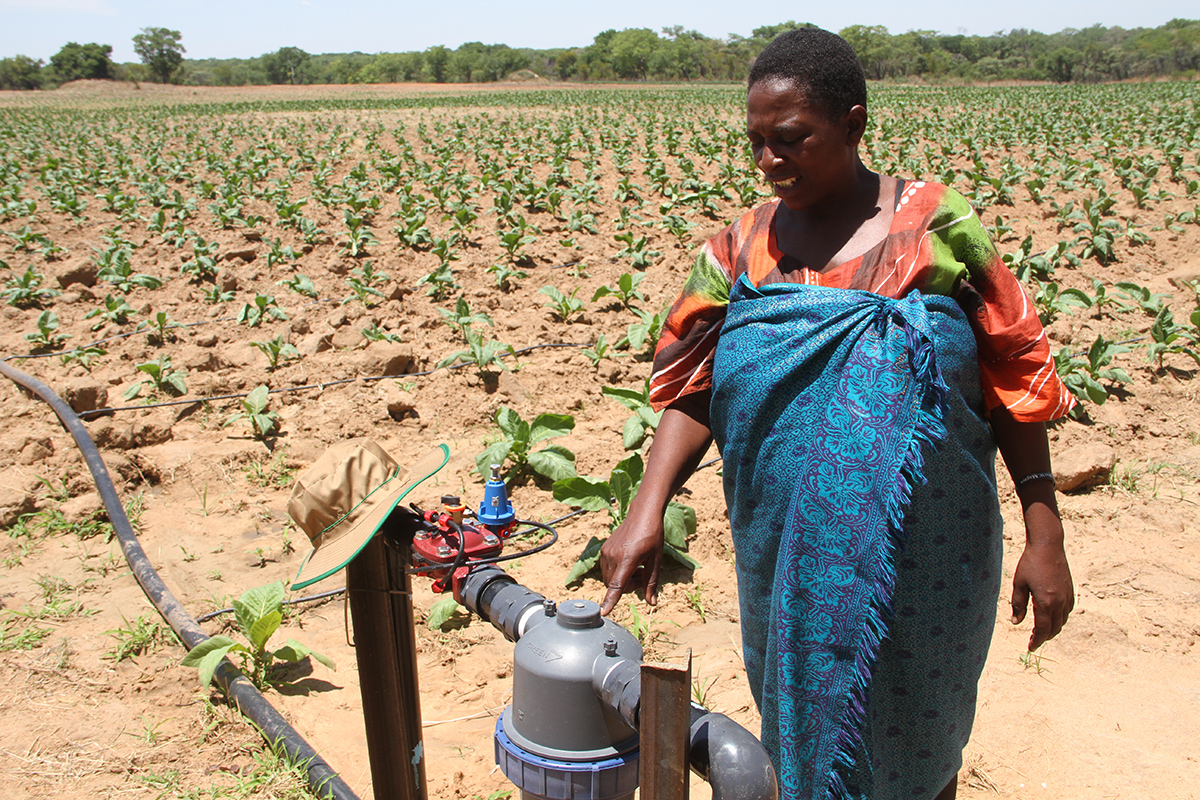
Enacy Mapakame
Business Reporter
Government has launched a fresh bid to boost income for smallholder farmers by giving impetus to an organised liberal marketplace for crop and livestock trading.
Finance and Economic Development Minister Patrick Chinamasa said Government has set up an inter-ministerial committee to speed up the operation of the Commodity Exchange of Zimbabwe (COMEZ)
The committee comprises of officials from the Ministry of Finance and Economic Development; the Ministry of Agriculture, Mechanisation and Irrigation Development and other key stakeholders.
The liberal marketplace concept has failed to see daylight since authorities announced plans to revamp the system five years ago.
Treasury pumped US$500 000 into the exchange back then but the ham-fisted Government of National Unity impeded progress.
“The introduction of a commodities exchange has been outstanding for a long time, a situation undermining access to markets for our farmers,” said the Finance Minister in the 2016 National Budget presented on November 26.
“The commodity exchange will serve as a marketing information hub for farmers, providing them information on markets, timing and prices, among others, which is key to farmers’ marketing literacy.”
In 1994, Government partnered local commercial farmers and a Harare stock broking firm to establish the Zimbabwe Agriculture Commodities Exchange (ZIMACE) with the aim of correcting historical imbalances in marketing agricultural products that saw small-scale farmers disadvantaged. The project collapsed after a few years as the Grain Marketing Board and the Cotton Marketing Board mantained monopoly over key crops such as maize, wheat and cotton.
With COMEZ’s stillbirth, farmers have been forced to sell their commodities at below market prices to the GMB and private players.
GMB has traditionally operated a centralised system that pays the producers post-delivery but that system has since crumbled.
It is only recently that the GMB managed to settle US$67,8 million for grain delivered as far back as 2013, Minister Chinamasa said in the Budget.
Experts say delayed payments, skewed marketing strategies, under-pricing and limited market access have dealt a blow to production in agriculture, which contributes 19 percent to the country’s Gross Domestic Product.
Minister Chinamasa is hoping the commodities exchange will end existing inefficiencies in agricultural produce marketing.
“This (exchange) is expected to create an orderly and transparent marketing platform for agricultural products as well as facilitating accessibility to financing,” he said.
At the commodities exchange, farmers will be able to negotiate better prices for their produce.
Knowledge Transfer Africa (KTA) chief executive, Mr Charles Dhewa said the commodities exchange is a noble idea but called for private sector inclusion in the implementation of the project.
“It should not be driven by Government alone otherwise this will take us back to GMB and brew inefficiencies that might harm the sector,” he said.
“An orderly exchange will help structure the sector through improved data collection methods.”
Mr Dhewa said the starting point should be to revamp the existing markets such as the Mbare commodities market.
“A well structured commodities exchange will enable us to see the gaps existing in the country. We will see how much maize is in a particular district and how much food is needed.
“This will address a lot of inefficiencies, especially where pricing is concerned,” said Mr Dhewa
Deals at the exchange are expected to be transparent, with prompt payment.
Prices will be published and dictated by supply and demand, ensuring that farmers get the best possible prices for their commodities.


 Online Reporter