Online Reporter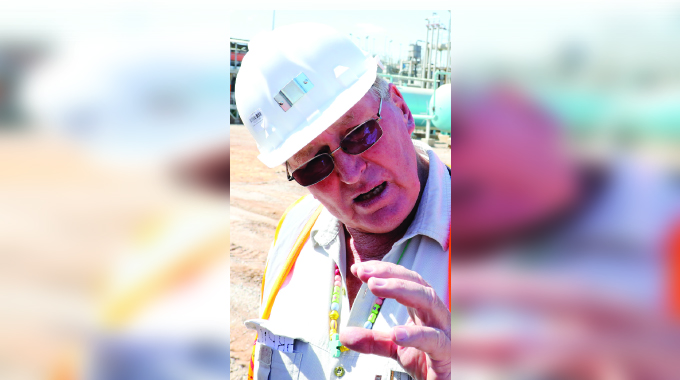
Raymond Jaravaza, [email protected]
THE construction of the US$93 million Bopoma Glassblock Dam in the Upper Umzingwane catchment area in Matabeleland South Province, described as a medium-term solution to Bulawayo’s water challenges, could start in the next six months. The dam is expected to have water by December 2026.
Strategically located at the confluence of Gwanda, Umzingwane and Filabusi districts, the dam’s construction is expected to be completed within three years and will be undertaken by JR Goddard Contracting Pvt (Ltd).
Bulawayo, the second-largest city with nearly one million residents, faces perennial water shortages due to rapid urban growth and climate change. With a capacity of 129 million cubic metres and a daily yield of 68 megalitres, the dam is set to become the city’s second-largest water source, following Insiza Dam, which has a capacity of 173 million cubic metres and a daily yield of 46 megalitres.
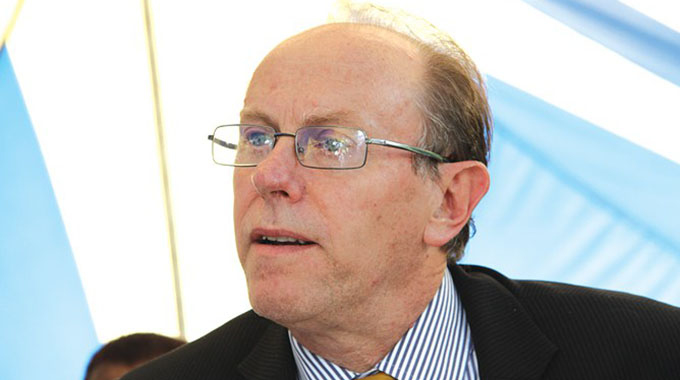
Speaking at the Bulawayo Investment Indaba, held recently in the city, Mr James Ross Goddard, the contractor, stated that the dam will be 70 percent, the size of Insiza Dam.
“The dam will store 129 million cubic metres of water, which is about 70 percent of Insiza Dam’s capacity, and will meet Bulawayo’s water demand until 2054, covering the next 30 years.
“We are awaiting Cabinet approval, and once that is granted, we will consult with our financiers and hope to commence construction of Bopoma Glassblock Dam within the next six months,” said Mr Goddard.
He said financing for the project will primarily come from Standard Bank of South Africa and the African Development Bank, with other financiers contributing US$13 million of the US$93 million required for the project.
“Standard Bank of South Africa has committed US$50 million towards the dam’s construction while US$30 million will be provided by the African Development Bank.

The remaining US$13 million will come from various smaller organisations and financiers. These are serious pledges that were made in Morocco, and the construction of the dam has received approval from Zinwa (Zimbabwe National Water Authority), the Ministry of Lands (Agriculture, Water, Fisheries and Rural Development) and Zida (Zimbabwe Investment and Development Agency),” he said.
Last year, Bulawayo Mayor, Councillor David Coltart led a delegation, including Town Clerk Mr Christopher Dube and the Director of Water and Sanitation, Engineer Sikhumbuzo Ncube, to Rabat, Morocco, for the Africa Investment Forum (AIF).
Their aim was to mobilise resources for short, medium and long-term water and sanitation projects for the city. The summit resulted in firm pledges for the construction of the Bopoma Glassblock Dam from financiers present at the event.
Bulawayo City Council (BCC) has started citywide consultations with residents and other stakeholders regarding the feasibility of entering into an agreement to purchase raw water from the proposed dam.
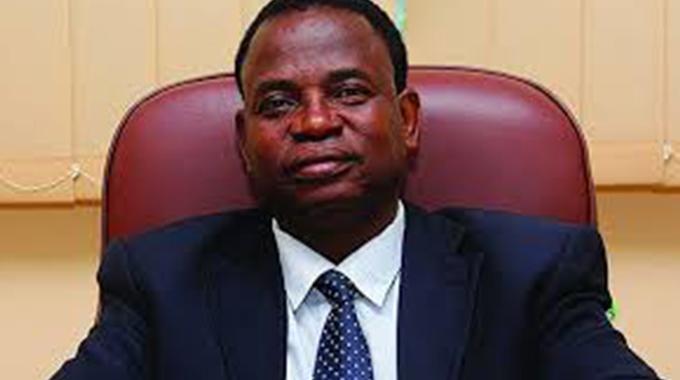
The Ministry of Lands, Agriculture, Water, Fisheries and Rural Development awarded the tender to JR Goddard Contracting in 2019, under the Build, Operate and Transfer (BOT) arrangement.
Under the agreement, the city will pay US$0,90 per cubic metre for raw water during the first 10 years of the repayment period. The cost will drop to US$0,70 per cubic metre for the subsequent 15 years.
In comparison, BCC pays US$0,29 per cubic metre for water from the Mtshabezi Dam and US$0,51 from the Nyamandlovu Aquifer.
The cost of treated water for residents will rise by US$0,16 per kilolitre (1000 litres), increasing the tariff from US$1,22 to US$1,38 per kilolitre.