Online Reporter
Thupeyo Muleya, Beitbridge Bureau
SEVERAL public officials deployed by the Government to the Beitbridge Border post have signed the Integrity Pledges (IP) at an anti-corruption awareness campaign launched by the Zimbabwe Anti-Corruption Commission (ZACC) in the border town.
ZACC is carrying out a week-long multi-stakeholder awareness campaign in the area, targeting border agencies, travellers, and citizens to combat corruption.
This initiative aims to address concerns over rent-seeking activities and leakages of banned goods at the Beitbridge border post, which affect government revenue collection.
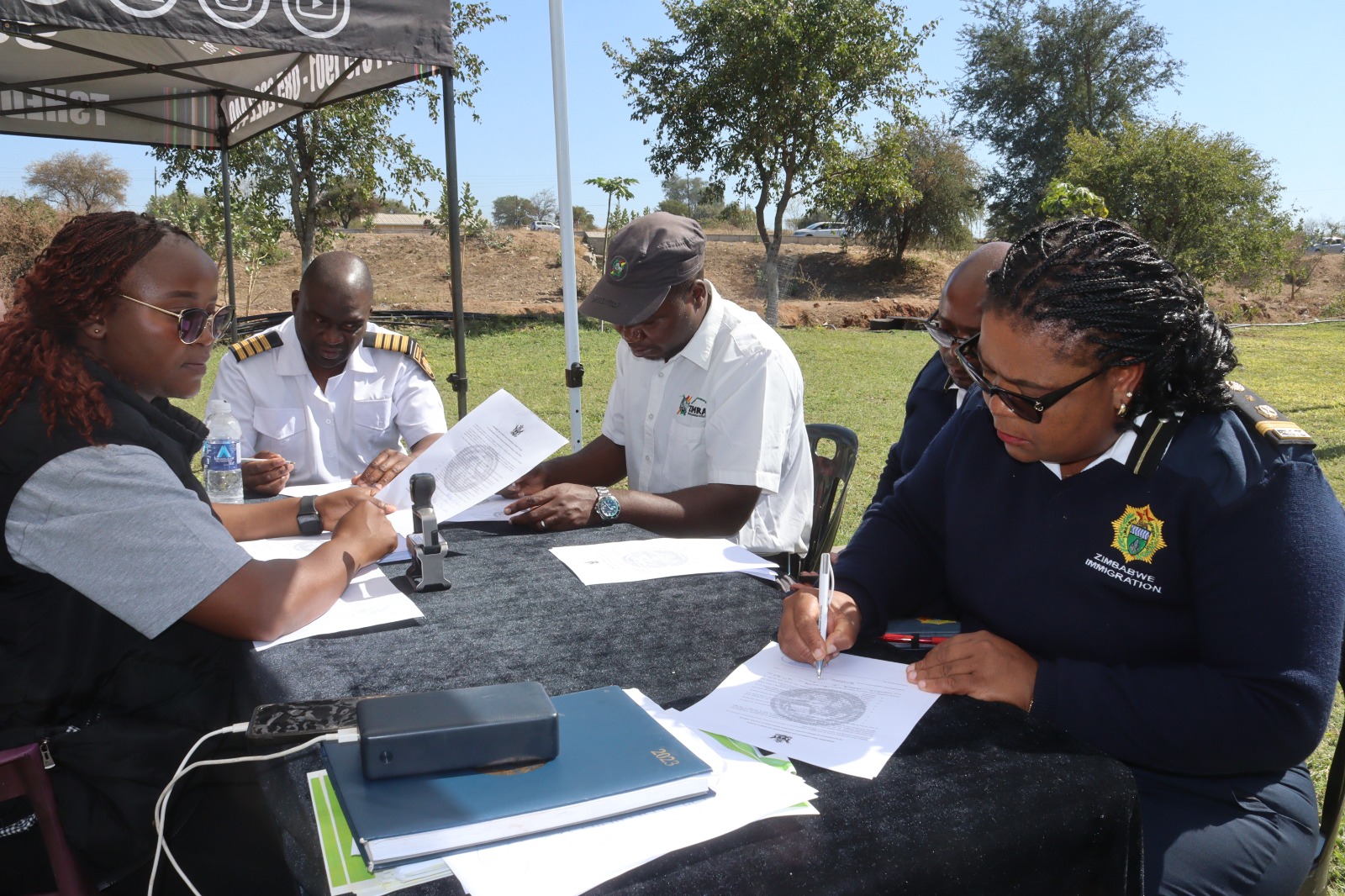
An Integrity Pledge, particularly in the Zimbabwean context with ZACC, is a commitment by individuals or institutions to uphold ethical conduct, transparency, and accountability in their actions and decisions.
It serves as a public declaration to resist corruption, promote honesty, and adhere to the rule of law.
Among those who signed the pledge are officials from the Zimbabwe Revenue Authority (Zimra), Immigration, Vehicle Inspectorate Department, parastatals and local authorities among others.
“The border campaign has been conceived with the notion to involve multiple stakeholders including the police, Zimra, Immigration, Border Management Authority, Cross-border association, passenger association and local authorities among others,” said ZACC commissioner, Chido Madiwa.
It is envisaged that travellers, cross-border traders, customs officials, and the public will benefit from the awareness campaign, promoting transparency and compliance with laws.
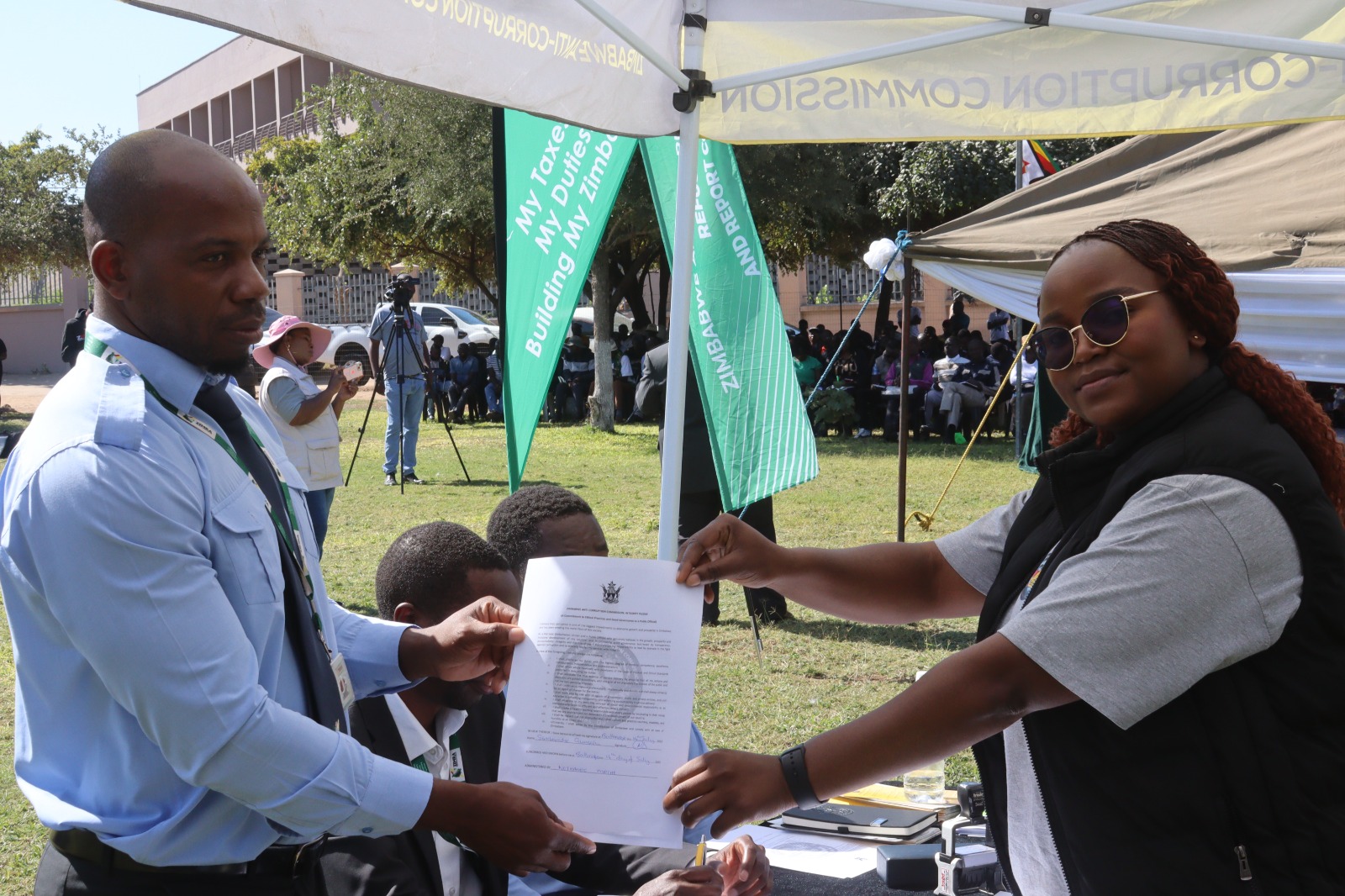
Additionally, the campaign seeks to foster a culture of compliance, transparency, and accountability, ultimately dismantling bribery and smuggling networks that plague the border post.
“We have come here to educate each other on the negative impact of corruption and hence it is critical that we move with a shared vision to build a culture of honesty,” said Commissioner Madiwa.
“Among other things our objective is to sensitize the public about corruption and anti-corruption mechanisms to prevent and combat corruption. This programme is informed by research reports regarding the demand of payment of bribes by cross borders to officials.
“In addition, we have also received reports on smuggling activities at the country’s border post, actions which deprived the Government of much needed revenue and other issues relating to trafficking and issues to do with the use of fake customs and immigration stamps to move cargo and people”.
The commission is also partnering with other organisations, such as the Zimbabwe Revenue Authority (Zimra) to enhance cooperation and information sharing in fighting corruption.
Commissioner Madiwa said the Anti-Corruption Awareness Campaign will run from Monday and end on Friday although the initiative was a continuous process.
She said corrupt practices compromise national security, facilitate crime and erode public trust in border management systems.
“Some common forms of corruption at the border include bribery, smuggling and abuse of power where authorities may exploit their positions to exercise undue influence, harass legitimate travellers, or manipulate regulations for personal gains,” added the commissioner.
Commissioner Madiwa highlighted that Zimbabwe was joining the rest of the continent in celebrating the Africa Union Day against corruption and already we have had the main event in Gwanda last week.
She emphasised that it was key to engage and educate each other to troubleshoot the problems with all the stakeholders.
“We have noted that there are several challenges of customs process and enforcement of anti-smuggling related regulations,” said Commissioner Madiwa.
She said ZACC will, based on its research and findings, inform or recommend policies to the Government to ensure social cohesion and create an enabling environment for improved revenue collection and end corruption.
“We commend the Government for tackling the bottlenecks at the passport office. This has helped reduce corruption in that area since most services are automated, reducing the human interface which often comes with a number of rent seeking activities,” she said.
To minimise corruption related activities at the ports of entry, Commissioner Madiwa said the Government had computerised border transactions, is using drones’ surveillance, carrying out joint corruption awareness campaigns with critical stakeholders and encouraging electronic corruption reporting systems. @tupeyo